Roof Top Tents: Are They Worth It?
You notice it pretty quickly at any busy campground or beachside stop - more Aussies are rolling in with roof top tents instead of wrestling with poles, pegs and ground sheets. For plenty of campers, that swap makes perfect sense. Roof top tents promise a faster setup, a better sleeping position off the ground and a tidy touring setup that suits everything from weekend fishing trips to longer 4WD runs.
But they are not automatically the right choice for every setup, every budget or every kind of traveller. If you're weighing one up, the smart move is to look past the hype and focus on how you actually camp in Australian conditions.
Why roof top tents appeal to Aussie campers
The biggest draw is convenience. A decent roof top tent can turn a late arrival into a quick camp setup, which matters when you've driven all day and just want to get sorted before dark. Instead of clearing a patch of ground, checking for rocks and dealing with soggy grass or sand, you're sleeping up high on a built-in base.
That extra height is part of the appeal too. In a lot of Australian camping spots, the ground can be hard, uneven, muddy or crawling with more wildlife than you'd care to share a sleeping space with. Being elevated will not solve every problem, but it can make camp feel cleaner, drier and a bit more comfortable.
Roof top tents also suit the touring crowd because they keep your sleeping setup contained. Bedding can often stay packed inside, which cuts down setup time and helps keep the rest of your gear organised. For people who head away regularly, that convenience adds up fast.
The trade-offs most buyers only notice later
There is no point pretending roof top tents are perfect. They come with compromises, and whether those compromises matter depends on your vehicle and travel style.
The first one is weight. A roof top tent adds a fair load up high, and that affects more than just what your roof racks can carry. It can change fuel use, handling and access to low-clearance car parks. If you drive a smaller SUV or use your vehicle around town during the week, that extra bulk can get old quickly.
The second is pack-up. Setup is usually fast, but if you're using your car every day at camp, you'll need to fold the tent away each time you want to drive off. That's fine for one-night stops and touring routes where you're moving often. It's less ideal if you like setting up a base camp for a few days and doing short trips from there.
Then there is cost. A roof top tent setup often means more than the tent itself. You may need roof racks, cross bars, mounting hardware or even an upgraded rack system depending on your vehicle. By the time it's all sorted, the spend can climb well past a basic ground tent setup.
Hard shell or soft shell?
This is where it pays to be honest about how often you camp and how much convenience matters to you.
Soft shell roof top tents are usually the more budget-friendly option and often give you more sleeping space for the money. They can be a strong choice for families or couples who want value and don't mind a few extra minutes on setup and pack-down. The flip side is they tend to be bulkier when folded and can involve more steps.
Hard shell models lean into speed and simplicity. In many cases, they pop open faster and pack down cleaner, which suits people doing frequent overnight stops or road trips with lots of movement. They also tend to have a neater travel profile, though not always a lighter one. The trade-off is price. You generally pay more for that convenience.
If your priority is great value gear for regular camping, soft shell can make plenty of sense. If your priority is fast stops and no-fuss touring, hard shell often earns its keep.
Who roof top tents work best for
Roof top tents make the most sense for campers who move often, want quick setup and already have a suitable vehicle. Couples and solo travellers are often the sweet spot, especially if they head away for weekends, fishing trips or 4WD touring and want camp sorted in minutes.
They can also work well for families, but only if the setup matches the group size. A family of four squeezing into a compact roof top tent is usually a short-cut to a bad night's sleep. In that case, a roof top tent paired with an annex or additional ground shelter can be the better option.
For caravan travellers, it depends on the role. If the caravan is your main accommodation, a roof top tent may be overkill. If you tow sometimes and also do separate vehicle-based trips, it can still be a handy part of the kit.
When a ground tent may still be the better buy
A lot of shoppers assume roof top means better, full stop. Not quite.
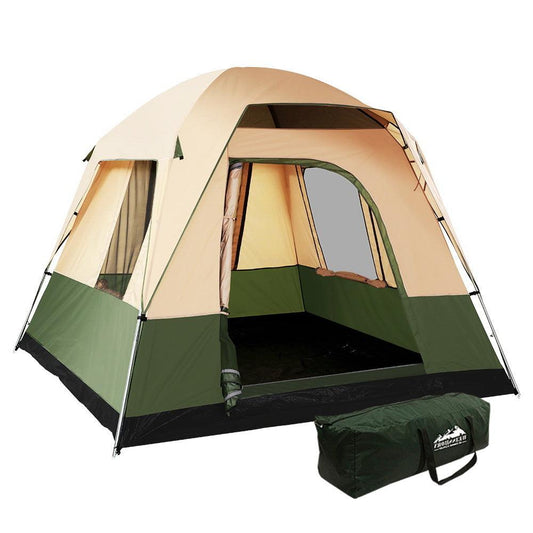
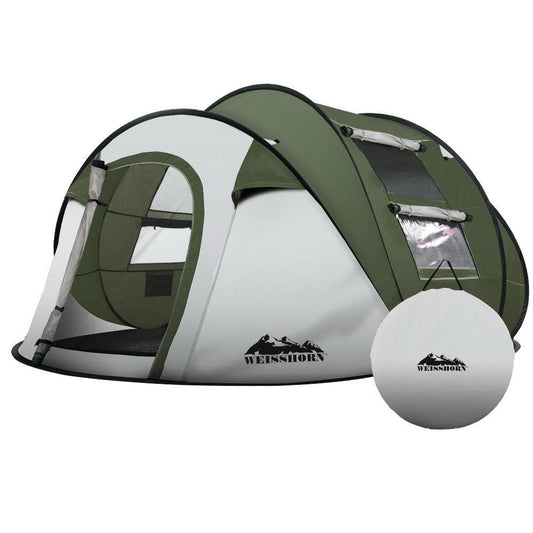
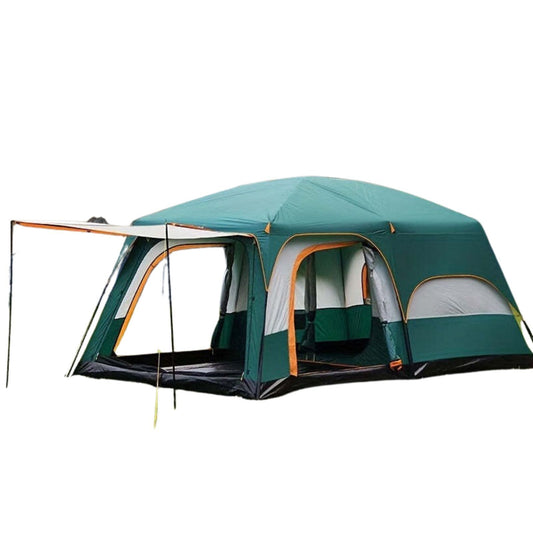
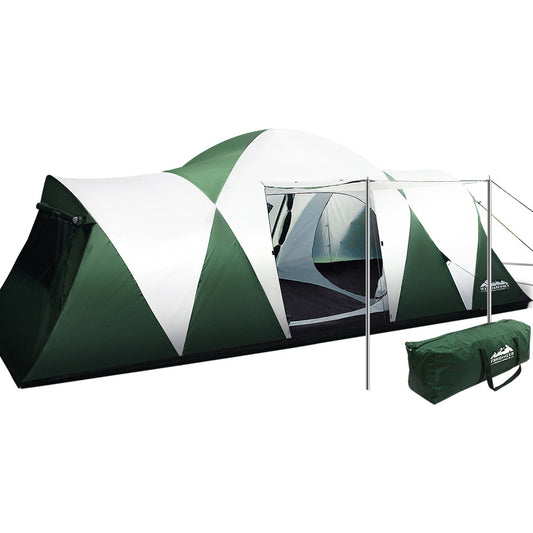
If you're mostly camping in one spot for several nights, a quality ground tent can be more practical. You can leave it set up while you take the car to the shops, the boat ramp or the local lookout. If that sounds closer to your travel style, our tent buying guide covers the main ground-tent options.
Ground tents also make more sense if your vehicle has limited roof load capacity or if you regularly need undercover parking at home or work. And if you're just getting started with camping, there is a strong case for keeping things simple and spending the difference on sleeping gear, camp chairs, lighting or cooking kit.
You can also compare current shelter options in our Tents & Swags range. The best setup is the one that matches your real trips, not the one that looks best in a social post.
What to check before buying roof top tents
Before you buy, start with your vehicle. Check the dynamic roof load rating, not just what the racks can hold while parked. Dynamic load is what matters when you're driving. You also want to confirm the tent will suit your rack spacing, mounting system and roof shape.
Think about sleeping capacity realistically. Two adults in a two-person tent can be comfortable enough. Add a child, extra bedding and warm-weather restlessness, and the space starts shrinking fast. If you want room to move, size up.
Ladder design matters more than many people expect. You'll use it every night, often in the dark, sometimes in wind or rain, and maybe with a midnight dash to the loo. Stability, angle and ease of use are worth paying attention to.
Weather resistance matters too, especially in Australia where one trip can bring heat, wind and a decent burst of rain. Good ventilation helps in humid coastal conditions, while solid rainfly coverage and durable materials matter if your trips include the high country or exposed inland stops.
Storage is another practical one. A roof top tent still needs somewhere to live when it's not on the vehicle. If your garage clearance is tight or you do not want it mounted full-time, think through how you'll remove and store it.
Real-world comfort matters more than specs
The mattress thickness, airflow and ease of entry will shape your experience far more than marketing buzzwords. Some roof top tents look excellent on paper but feel cramped, stuffy or awkward after two nights away.
That is why the little things matter. Mesh windows, internal pockets, decent zips and a cover that is not a fight to secure all make a difference. So does how quickly you can fold everything away when the weather turns ordinary and you want to hit the road.
For many campers, the best value comes from buying a tent that is easy enough to use often. A fancy setup that feels like hard work will not leave the shed much.
Are roof top tents worth it?
For plenty of Australian campers, yes. If you tour often, want a cleaner sleep setup off the ground and like the idea of quick overnight camps, roof top tents can be a smart upgrade. They suit the way many people travel now - short escapes, 4WD weekends, beach runs and road trips where convenience counts.
But they are not a magic fix. They cost more, add weight and make the most sense when your vehicle and travel style support them. If you mostly stay put for days at a time or want the lowest-cost setup, a ground tent may still be the better call.
The right choice comes down to how you camp when nobody is watching. If fast setup, tidy pack-up and elevated sleeping would genuinely make your trips easier, roof top tents are well worth a proper look. And if you're buying for real Aussie conditions, stick with gear built to handle the sort of weekends that start in sunshine and end with dust, drizzle or both.