How to Choose a Camping Tent in Australia
A tent can make or break a trip. Get it right and you sleep dry, stay comfortable and spend more time enjoying the campsite. Get it wrong and you end up cramped, sweaty, wet, or wrestling poles while the kids are already asking where they’re meant to sleep. If you’re working out how to choose a camping tent, the best place to start is not the price tag - it’s the way you actually camp.
Just Camp note: For most Aussie campers, the best tent is not always the biggest or most expensive one. We usually recommend choosing around the trips you actually take most often: weekend camps, family holidays, 4WD touring, festival-style overnighters, or longer caravan park stays. That keeps the decision practical instead of getting caught up in specs you may never use.
How to choose a camping tent for your trip style
The right tent for a quick coastal weekend is rarely the right tent for a two-week outback road trip. That’s why the smartest way to buy is to match the tent to your usual setup, not some once-a-year dream trip.
If you mainly do family holidays at powered sites or established campgrounds, comfort matters more than pack size. You’ll probably want more headroom, larger windows, room dividers and a bit of space to stash bags, camp chairs and all the extras that come with travelling with kids. If you’re heading away as a couple for overnight stops, a lighter and simpler tent often makes more sense. If you’re touring in a 4WD and changing camps often, quick setup becomes a big deal very quickly.
There’s no single best option for everyone. The best tent is the one that suits how often you camp, how far you travel and how much hassle you’re willing to deal with at pack-up time.
Start with capacity, then size up
One of the biggest mistakes people make is buying a tent based on the number printed on the label. A four-person tent sounds roomy until you add stretchers, duffel bags and a bit of personal space.
As a general rule, if you want comfort, size up. A two-person tent is usually snug for two adults. A four-person tent is often better for two adults plus gear, or a small family that packs light. If you’re camping with children, think beyond sleeping spots. You’ll also need room for clothes, shoes, bedding and the bits and pieces that somehow end up scattered everywhere after dark.
Height matters too. Being able to stand up while getting changed is a small luxury that feels huge after a couple of nights away. Cabin-style tents usually offer better headroom, while dome tents tend to be more compact and easier to handle.
Choose a tent shape that matches your setup
Tent shape affects more than looks. It changes setup time, internal space, wind performance and overall liveability.
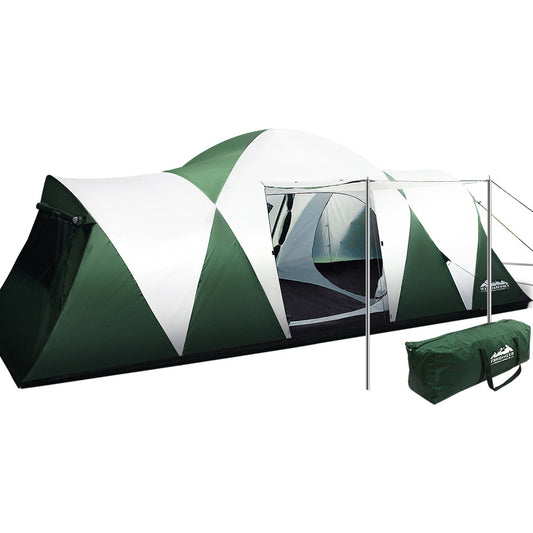
Dome tents are popular because they’re simple, lightweight and generally good value. They suit couples, short stays and campers who don’t want a complicated setup. The trade-off is less usable wall space and lower headroom.
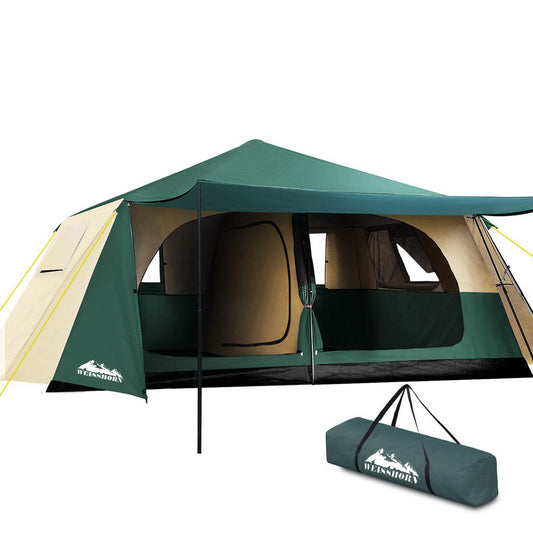
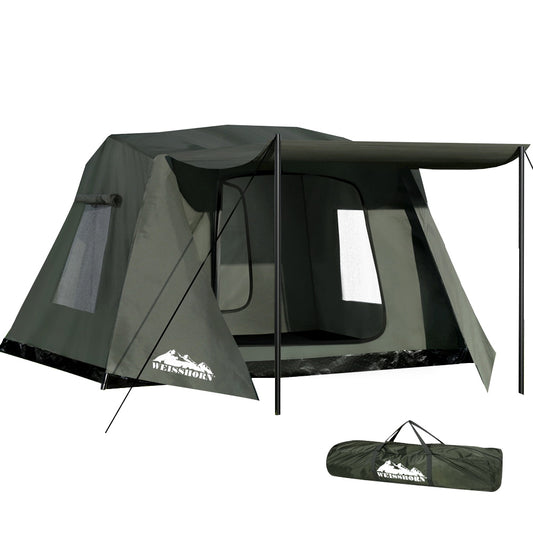
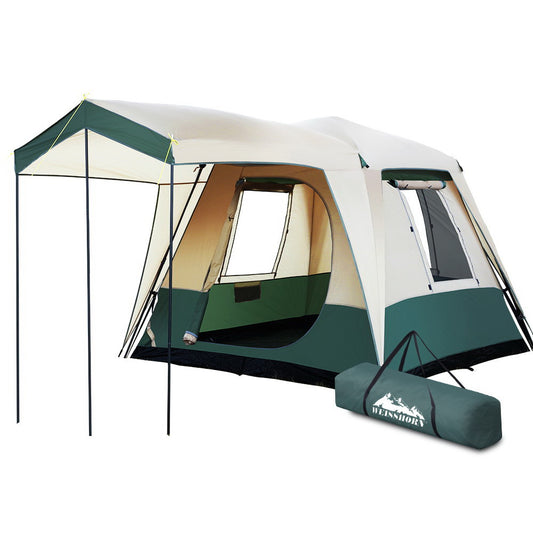
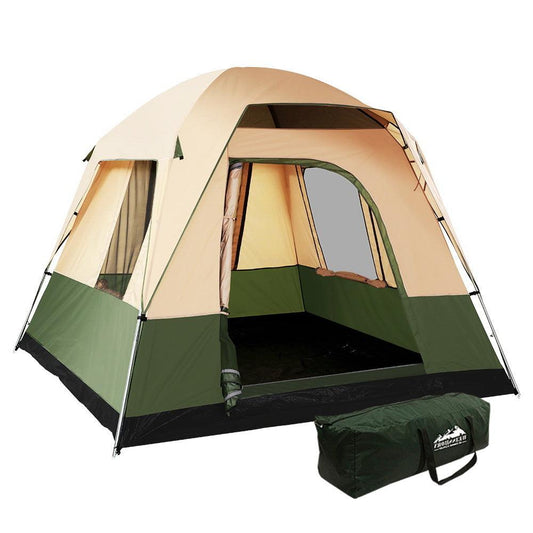
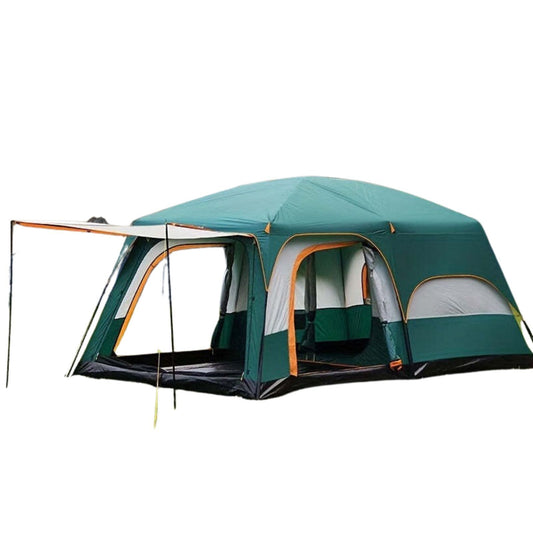
Cabin tents are better for families and longer stays. Their near-vertical walls create more standing room and make the interior feel less cramped. They’re great when comfort is the priority, but they can be bulkier and not always as strong in windy conditions.
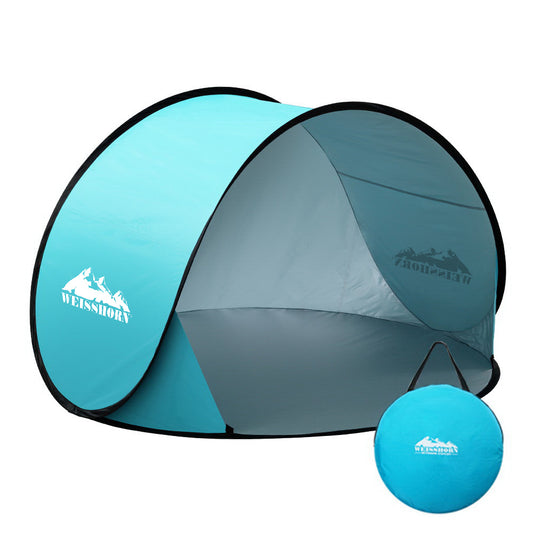
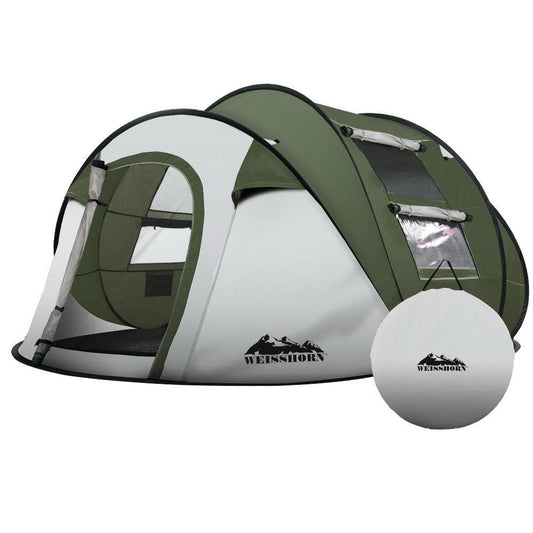
Instant-up and pop-up styles appeal to anyone who wants less fiddling and faster setup. They’re handy for frequent movers, weekenders and beginners. The trade-off is that some models pack larger, weigh more, or offer less flexibility than traditional pole tents.
For road trips where you’re not hiking gear in, a bigger tent is often worth it. If every kilogram and every centimetre of boot space matters, a simpler and more compact design is usually the smarter buy.
Think about Australian weather, not brochure weather
A tent that looks good online still needs to handle the conditions you camp in. Australia throws up hot days, cool nights, sudden rain, coastal wind and red dust, sometimes all in one trip.
Ventilation should be high on your list. In warm conditions, large mesh panels, multiple windows and roof vents help reduce condensation and make the tent far more comfortable overnight. A tent with poor airflow can feel stuffy fast, especially in humid coastal areas.
Rain protection matters even if you mostly chase good weather. Look for a full or generous fly, decent waterproof ratings and a heavy-duty floor. A small rain shower is one thing. Wind-driven rain at 2 am is another.
Wind is where tent design really shows. Lower-profile tents and well-braced structures generally cope better than tall, boxy tents. If you camp in exposed areas, solid guy points and sturdy poles are worth paying attention to.
UV exposure is another Australian reality. Strong sun can punish cheap materials over time, so durable fabrics and proper care make a difference if you camp regularly.
Fabric, poles and build quality matter more than fancy extras
When comparing tents, it’s easy to get distracted by storage pockets, lantern hooks and bonus awnings. Those features are handy, but they shouldn’t distract from the basics.
A good tent starts with durable fabric, reliable stitching, strong zips and poles that can handle repeated use. Fibreglass poles are common in value-focused tents and can be fine for occasional camping. Aluminium poles are generally lighter and tougher, which can be worth it if you camp often or travel further afield.
Floor strength deserves attention too. A thin floor can wear quickly, especially on rough ground. If you camp on mixed surfaces, a ground mat or protective floor layer helps protect the base and can add years to the life of the tent.
Zips are one of those details you only notice when they fail. Smooth, solid zips and well-finished seams are a better sign of long-term value than a long list of add-ons.
Setup time is not a small detail
A tent might only take ten minutes to pitch on paper, but real life is different. There’s wind, fading light, uneven ground, tired kids and that one pole section you swear wasn’t bent when you packed it.
If you move camps often, setup speed matters a lot. Quick-pitch and instant-up tents save time and frustration, especially for short stays. If you usually stay put for several nights, you may be happy to spend a bit longer setting up in exchange for more space and comfort.
It’s also worth thinking about who will actually set the tent up. If one person needs to manage it solo, a simpler design can make all the difference. A giant family tent may sound ideal until one person is left to handle it while everyone else starts unpacking the esky.
Don’t forget packed size and transport
This catches plenty of campers out. A spacious tent is great at the campsite, but it still has to fit in the car, caravan tunnel boot or trailer with the rest of your gear.
Before you buy, check both packed dimensions and weight. If you travel with a full family setup, room in the vehicle is always tighter than expected. A tent that packs down neatly can save a lot of reshuffling on departure day.
For 4WD touring, where every bit of space counts, packed size can be just as important as sleeping capacity. The right balance depends on whether your priority is camp comfort or easier travel.
Features worth paying for
Not every extra is fluff. Some features genuinely improve the camping experience, especially for families and regular travellers.
A vestibule or enclosed awning gives you useful covered space for shoes, bags or wet gear. Internal storage pockets help keep phones, torches and small essentials off the floor. Good door placement can make midnight toilet runs less awkward. Room dividers can also be handy if you want a bit of separation between adults and kids.
That said, don’t pay more for features you’ll never use. If you just need a reliable tent for occasional weekends, keep it simple and spend your money on weather protection and durability first.
How to choose a camping tent without overspending
A cheap tent is only good value if it does the job. If it leaks, tears or makes every trip harder, it stops being a bargain pretty quickly.
The smarter move is to buy for your real camping habits. If you head away once or twice a year to easy-access sites, a well-priced entry-level tent can be perfectly fine. If you camp regularly, travel long distances or rely on your gear in rougher conditions, it usually pays to step up in quality.
That’s where value matters more than the lowest sticker price. Good buying is about getting features you’ll actually use, solid construction and a tent that suits Australian conditions. For plenty of campers, that sweet spot is dependable gear at a sensible price, not top-end expedition kit.
The best tent is the one you’ll enjoy using
There’s no magic formula for choosing a tent, because camping styles vary so much. A family wanting space, airflow and quick site setup needs something different from a couple doing overnighters up the coast or a 4WD traveller moving every day.
If you focus on capacity, weather protection, setup time, packed size and build quality, you’ll cut through most of the noise. Keep it practical, buy for the trips you actually do, and you’ll end up with a tent that gets used more often - which is the whole point. Just Camp Australia is built around that same idea: great value gear for real adventures, without the fuss.
Before you add anything to the cart, picture your next trip properly. The right tent should make heading off feel easier, not more complicated.