What to Pack for Camping in Australia
Forget the fantasy packing list that assumes every trip is the same. What to pack for camping depends on where you’re going, how long you’re staying, who’s coming with you, and how much room you’ve actually got in the car, camper or caravan. A beachside weekend near town needs a very different setup to a cold inland trip or a family stay at a powered site.
The best camping kit is the gear that suits real Australian conditions and gets used. That means staying focused on comfort, weather, cooking, safety and a few practical extras that stop small problems becoming annoying ones at camp.
What to pack for camping starts with shelter
Your shelter setup shapes the whole trip. If you get this part wrong, everything else feels harder. For most campers, that means choosing between a tent, swag or caravan setup based on season, location and how quickly you want to set up.
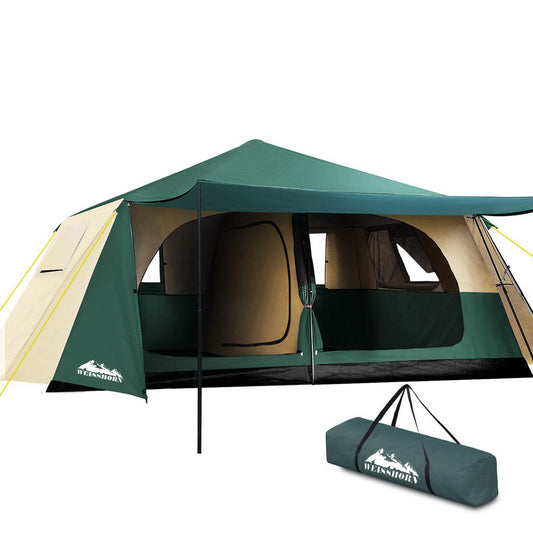
A tent works well for families, longer stays and anyone who wants a bit more room to move. A swag suits solo campers, couples and quick overnight stops, especially when you don’t want to spend ages setting up. If you’re heading away in a caravan or camper trailer, your packing still needs to include site basics like pegs, guy ropes, a mallet and a ground mat, because even a good setup needs a few extras once you arrive.
Weather matters more than people think. In much of Australia, warm days can turn into cold nights fast, and coastal areas can cop wind that makes a cheap shelter feel ordinary in a hurry. Pack a rainfly or waterproof outer, check your pegs suit the ground you’ll camp on, and make sure you’ve got something for shade. A gazebo or awning can make a hot campsite far more liveable.

Don’t forget the setup gear
It’s easy to remember the tent and forget the bits that make it usable. Poles, ropes, spare pegs, a hammer or mallet, and a repair kit all earn their place. If you’re arriving late, keep your shelter gear easy to reach so you’re not unpacking half the boot with a torch in your mouth.
Sleeping gear can make or break a trip
A poor night’s sleep is one of the quickest ways to ruin a camping getaway. The basic rule is simple - insulate yourself from the ground, bring warmer bedding than you think you’ll need, and make sure everyone has their own proper sleep setup.
A sleeping bag is the obvious starting point, but not all bags suit all conditions. Summer camping near the coast is one thing. High-country or inland camping in cooler months is another. If you sleep cold, add a blanket rather than hoping for the best. Families often prefer stretchers or air mattresses for comfort, while swags usually have built-in mattresses that keep things simple.
Pillows are worth packing properly. Using a rolled-up jumper sounds fine until 2 am. If space is tight, bring compact camping pillows, but bring something. A sleeping mat or stretcher also helps with insulation and comfort, especially on uneven or cold ground.
Extra warmth is rarely wasted
Even in milder parts of Australia, overnight temperatures can drop more than expected. Thermals, beanies and thick socks don’t take up much room and can save a chilly night. If you’re camping with kids, pack spare blankets and dry sleep clothes because once little ones are cold, everyone feels it.
Clothing should match the forecast, not the photo
Packing clothes for camping is less about style and more about layers, dry gear and backup options. You want enough clothing to stay comfortable without overloading the car with items nobody wears.
Start with the basics - shirts, shorts, underwear, socks and sleepwear. Then think about conditions. For most Australian trips, you’ll want a jumper or fleece, a rain jacket, and one set of warmer gear for the evening. If you’re heading somewhere sunny, long sleeves can be just as useful as singlets because they help with sun protection and mozzies.
Footwear depends on the trip. Thongs are handy around camp and for shared amenities, but they’re not enough on their own. Closed shoes or boots make more sense for firewood runs, rough tracks and cooler mornings. If there’s any chance of wet weather, pack an extra pair of socks and keep one clean, dry set aside for bedtime.
Hats and sunnies are not optional in most parts of Australia. Neither is sunscreen. A broad-brim hat beats a cap when the sun is high all day.
Cooking gear needs to suit how you actually eat
Some campers love cooking over a fire. Others just want a fast feed and a hot coffee. Be honest about the kind of trip you’re taking. If you pack for a gourmet bush kitchen and end up buying servo food, you’ve brought too much.
For most trips, a camp stove, fuel, lighter or matches, basic cookware, plates, mugs and cutlery cover the essentials. Add a kettle if tea or coffee matters, because for a lot of campers, it definitely does. If fires are allowed, bring fire starters and check local restrictions before you go.
Food storage matters just as much as cooking gear. An esky or portable fridge keeps perishables safe and makes meal planning easier, especially on longer trips. Dry food should go in sealed containers so it stays organised and less tempting to insects or curious wildlife.

Keep your camp kitchen simple
The easiest camp meals are usually the best. Think sausages, pasta, wraps, bacon and eggs, or one-pan dinners. Pack washing-up gear too - dish liquid, sponge, tea towel and a tub or bucket. A messy camp kitchen gets old quickly, especially on day two.
Water, lighting and power are essentials
If you’re wondering what to pack for camping beyond the obvious, this is where many people get caught out. Water, lighting and power are the basics that keep camp functional.
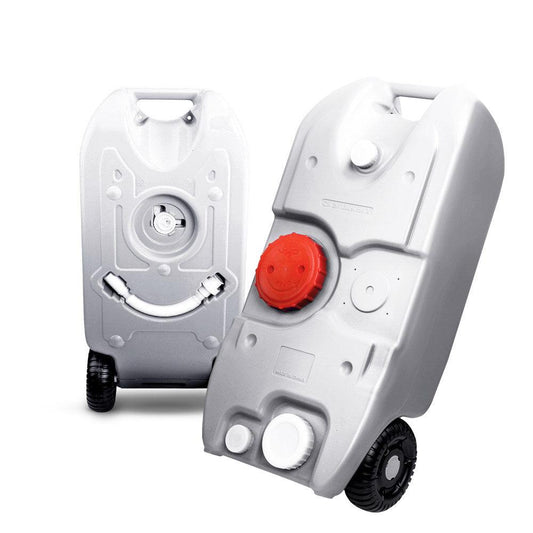
Bring more drinking water than you expect to need, plus extra for washing up and general use if your campsite doesn’t supply it. Water containers with taps are easier to manage than loose bottles, especially for families or longer stays.
For lighting, pack a lantern for the main camp area and head torches or torches for moving around at night. Spare batteries are a must. Campsites get dark quickly, and relying on your mobile torch is a good way to drain the battery you may need later.
Power needs vary. A powered site is one thing, but off-grid camping often means bringing a power station, battery setup, solar panel or charging cables for phones, lights and other essentials. If you use navigation apps, music, a camera or work remotely on the road, your charging setup deserves some thought before you leave home.
Safety and site basics deserve space in the car
The gear that saves the day is often the gear you hope not to use. A first aid kit should be on every camping list, along with any personal medication. Add insect repellent, sunscreen and bite relief, because Australian campsites are not short on sun or bugs.
A basic toolkit helps with loose fittings, bent pegs and small repairs. Duct tape, cable ties and a multi-tool can solve plenty of camp problems. If you’re heading off the bitumen or into more remote areas, recovery gear, a tyre inflator and emergency communication options become much more important.
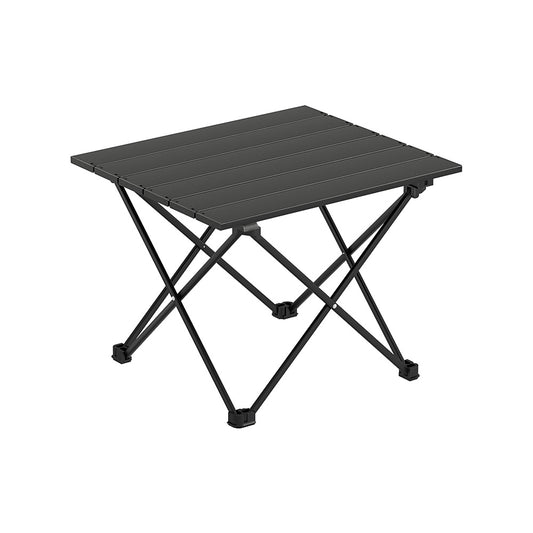
Camp chairs and a folding table are not survival items, but they make camp life a lot more comfortable. The same goes for a rubbish bag setup. It’s easier to keep camp clean when there’s a clear place for waste from the start.

Toiletries and personal items still matter
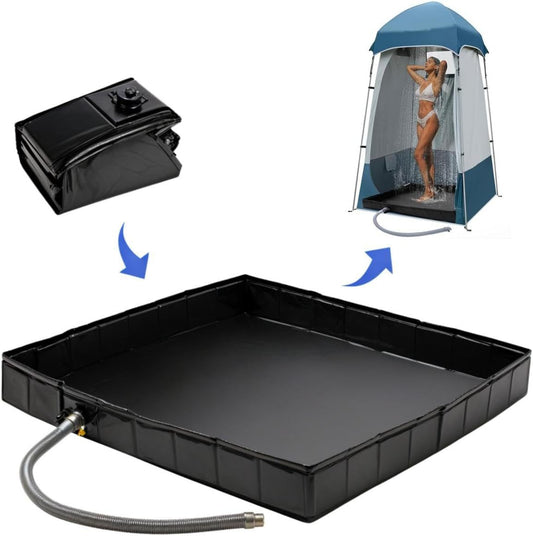
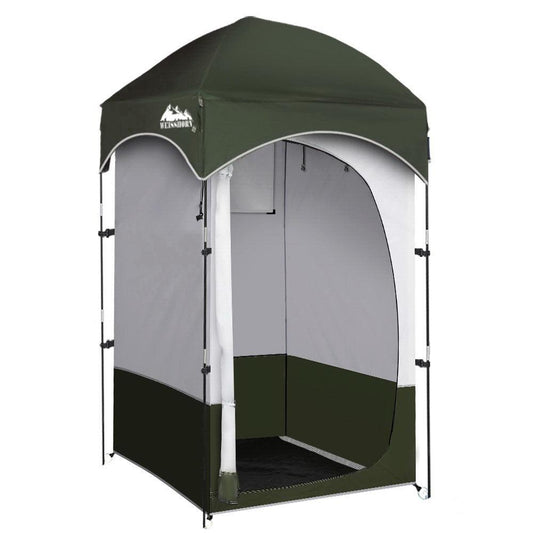
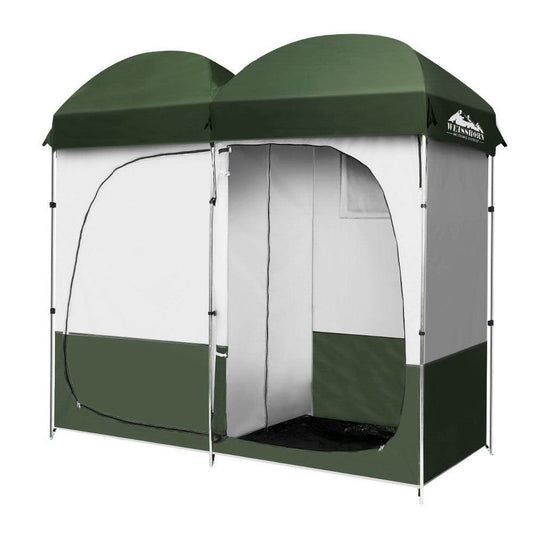
Toothbrushes, toothpaste, toilet paper, soap, deodorant and towels are easy to overlook when you’re focused on big gear. If your site has amenities, a shower caddy or tote can make things easier. If it doesn’t, you may need a portable toilet or privacy setup depending on where you’re going.
Pack for the trip, not just the idea of camping
A quick overnight stop needs less gear than a five-night family holiday. Remote camping needs more backup than a caravan park near shops. Fishing trips, beach camping and 4WD touring all bring their own extras too, from rods and tackle to recovery boards and shade gear.
That’s why the smartest approach is to build your packing list around five questions: What’s the weather doing? How remote is the site? How will you sleep? How will you cook? What happens if something goes wrong? Once you’ve covered those, the rest is just refining your setup.
If you’re new to camping, don’t feel like you need every bit of gear at once. Start with dependable basics, use them, and upgrade where it counts. A practical setup that’s easy to pack, quick to use and ready for Aussie conditions will take you further than a car full of gear you don’t need.
Get the essentials right, leave room for the extras that suit your trip, and camping becomes a whole lot easier from the moment you pull up.