Hiking Backpack Size Guide for Aussie Trips
A pack that is too small turns every stop into a game of gear Tetris. One that is too big leaves you hauling unused space up every hill. This hiking backpack size guide cuts through the guesswork, so you can choose a practical pack for day walks, overnight camps and longer Aussie adventures.
Backpack size is usually measured in litres. That number tells you the carrying volume, but it does not tell the whole story. Your trip length, season, sleeping setup, food, water and how you personally pack all matter. The right size is the smallest pack that comfortably and safely carries what you genuinely need.
Start with trip length, then pack volume
For most campers and walkers, trip duration is the best place to start. A short track near home needs far less room than a two-night hike where you are carrying shelter, meals and water. Use these ranges as a sensible baseline rather than a hard rule.
A 15 to 30 litre backpack suits day hikes. It has room for water, snacks, a rain jacket, sun protection, a first-aid kit, a head torch and an extra layer. This is a strong all-round size for coastal walks, national park trails and family outings where you are back at the car before dinner.
A 30 to 45 litre pack is often enough for a lightweight overnight trip. It works best when your sleeping bag and tent pack down small, the forecast is kind, and you have experience keeping your gear list tight. It can also be a great size for a long day hike in cooler weather, when bulky insulation and extra food need more room.
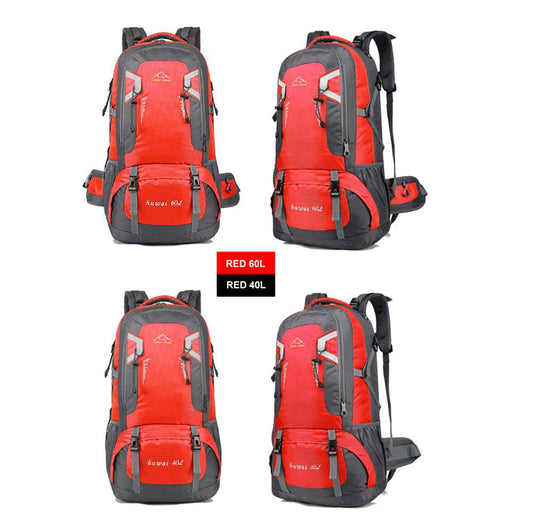
For one to three nights, a 45 to 60 litre hiking backpack is the reliable middle ground. Most people can fit a tent or swag-style sleep setup, sleeping bag, sleeping mat, cooking gear, food, spare clothing and wet-weather gear without needing to strap half their kit to the outside.
A 60 to 75 litre pack suits longer trips, colder conditions and anyone carrying bulkier gear. It is also a sensible option for a parent carrying some shared equipment, or for walkers who prefer a roomier sleep system rather than ultra-compact gear. Packs over 75 litres are generally for extended remote trips, serious winter loads or specialised expedition gear. Bigger is not automatically better - it can tempt you to pack things you will never use.
Hiking backpack size guide by trip type
A litre range gives you a starting point, but real trips make the choice clearer. Think about what will actually go into the pack before you buy.
Day walks: 15 to 30 litres
For a few hours on the track, focus on the basics: water, lunch, a warm layer, rain protection and navigation. In Australia, sun protection is not optional, so allow room for a hat, sunscreen and a lightweight long-sleeve layer too. If you are walking with kids, or carrying camera gear, move towards 25 to 30 litres.
Overnight hikes: 35 to 50 litres
An overnight pack needs room for a sleep system, dinner and breakfast, a stove, water and a change of clothes. A compact two-person tent may fit inside, while a larger tent or swag can be carried externally if the pack has secure straps. Make sure the load is still stable and does not block access to your water or essentials.
Weekend and multi-day trips: 50 to 65 litres
This is the sweet spot for many Australian hikers. It offers enough capacity for two or three nights without the oversized feel of an expedition pack. You will appreciate the extra room when the weather turns, particularly in the High Country, Tasmania or anywhere temperatures drop after sunset.
Remote or cold-weather walks: 65 litres and up
Longer stretches between resupply points mean more food. Dry camps mean more water. Add a heavier sleeping bag, insulating layers, a larger shelter and emergency gear, and volume disappears quickly. Choose a pack with a supportive harness and good load transfer, because comfort matters far more once your total weight climbs.
Your gear can change the size you need
Two people can head out for the same two-night hike and need very different backpacks. The biggest difference is usually gear bulk, not skill level.
A compact sleeping bag and inflatable mat can save litres compared with older, bulkier gear. Tent size matters too. If you are sharing a tent, split the load where possible - one person carries the tent body while the other carries poles, pegs or food. That makes better use of both packs and keeps either person from getting lumbered with the awkward load.
Your cooking plan also affects capacity. Simple meals and a small pot take little room. A full camp kitchen, extra coffee gear and multiple food containers take more. There is nothing wrong with bringing comfort items on a relaxed trip, but it is worth being honest about the pack size they require.
Water is the other big variable. A litre of water weighs one kilogram. On well-watered tracks, a smaller capacity can work well. On dry trails or hot summer days, you may need to carry several litres, so look for a pack with bottle pockets, a hydration sleeve and compression straps to stop the load shifting.
Fit matters as much as litres
A 55 litre pack that fits properly will feel better than a 40 litre pack that rubs your shoulders or puts all the weight on your lower back. Backpack capacity is only half the decision.
Start by measuring your torso length, not your overall height. Many hiking packs come in different back lengths or have an adjustable harness. The hip belt should sit over the top of your hip bones, where it can carry most of the load. Shoulder straps should follow your shoulders without digging in, and the chest strap should steady the pack rather than pull it tight.
If possible, load the pack with weight before deciding. Walk around for a few minutes, climb stairs and adjust the hip belt, shoulder straps and load lifters. A pack may feel fine empty but uncomfortable once it is carrying a tent, water and food.
For smaller frames, women-specific or shorter-back designs can offer a better fit through the harness and hip belt. For taller walkers, check that the back panel extends far enough to keep the hip belt in the right position. Fit is personal, so do not buy by litre capacity alone.
Pack smart before sizing up
Before jumping to a larger backpack, review how you pack. Heavy gear such as water, food and cooking equipment should sit close to your back and around the middle of the pack. Lighter, bulky gear like a sleeping bag goes towards the bottom. Keep your rain jacket, first-aid kit, snacks and head torch easy to reach.
Compression straps are useful when your pack is not full. They pull the load close to your body, reducing sway on uneven tracks. External straps are handy for trekking poles, a foam mat or a wet jacket, but avoid turning your backpack into a dangling collection of gear. Loose items catch on scrub, affect balance and can make a pack uncomfortable.
Do a trial pack at home before your trip. If you cannot close the main compartment without forcing it, you need either a more compact gear list or a larger pack. If the pack has large empty spaces, tighten the compression straps and consider whether a smaller size would carry better.
Common backpack sizing mistakes
The most common mistake is buying a big pack for “just in case” gear. Extra capacity often becomes extra weight. Pack for the trip, the forecast and the conditions you expect, while still carrying sensible safety essentials.
Another mistake is choosing a small pack based on a lightweight packing list, then adding bulky food, water and cold-weather layers at the last minute. Leave a little spare room for changes in conditions and wet gear that may need to be packed away.
Finally, do not forget the difference between hiking and car camping. A big camp chair, cast-iron cookware and a full-size esky are brilliant around the campsite, but they are not hiking gear. For walk-in sites, prioritise compact, dependable equipment that earns its place in your pack.
The best backpack is the one that fits your body, suits your usual trips and carries the essentials without making every kilometre harder. Start with your real gear list, pack it once at home, and you will head out knowing you have the right amount of room for the adventure ahead.