Glamping Essentials for a Comfy Aussie Escape
A glamping trip should feel like a proper break, not a weekend spent hunting for the torch, sleeping on a lumpy mat or cooking dinner in the dark. The best glamping essentials take the rough edges out of camping while keeping the good bits: fresh air, a crackling fire, a quiet bush view and no hotel checkout queue.
Whether you are setting up by the beach, heading to a country music festival, taking the caravan away or parking the 4WD at a national park campsite, comfort comes down to a few smart choices. You do not need a trailer full of expensive gear. You need the right foundation, plus a setup that suits the season, location and number of people travelling.
Start with a weather-ready place to sleep
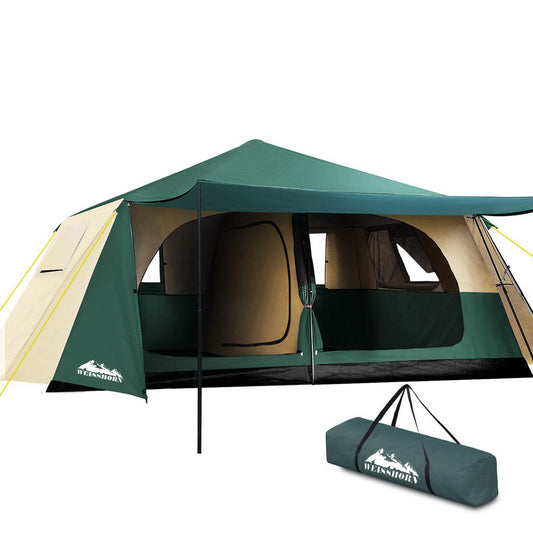
Glamping starts with shelter. A roomy family tent, canvas tent or swag with enough internal space to stand, change clothes and keep bags off the floor makes a big difference. For couples or small groups, look for a tent with a generous vestibule or awning area. It gives you somewhere to leave muddy shoes, wet towels and the camp kitchen when the weather turns.
Australian conditions can change quickly. A tent that is breezy and comfortable on a warm coastal afternoon still needs a solid fly, sealed seams and a bathtub-style floor for an overnight shower. In the Top End or tropical Queensland, ventilation matters most. In the High Country, Tasmania or a frosty inland campsite, wind protection and warmth move to the top of the list.
Do not forget the ground beneath your tent. A footprint or ground tarp protects the floor from sticks, damp ground and abrasion. Set it up so no tarp edges stick out beyond the tent, as they can collect rain and funnel it underneath.
Make the bed feel like a bed
A quality sleeping setup is where ordinary camping becomes glamping. An inflatable mattress is easy to pack and works well for short stays, but a self-inflating mat or camp stretcher usually provides better support and insulation from cold ground. A stretcher is especially handy for longer trips, older campers and anyone who would rather not climb up from floor level every morning.
Bring bedding that matches the forecast rather than relying on one lightweight sleeping bag year-round. In summer, a cotton sheet, light quilt and fitted sheet can be far more comfortable. For cooler nights, use a rated sleeping bag, warm blanket and a proper pillow from home. A hot water bottle is a simple, low-cost addition for cold-weather camping.
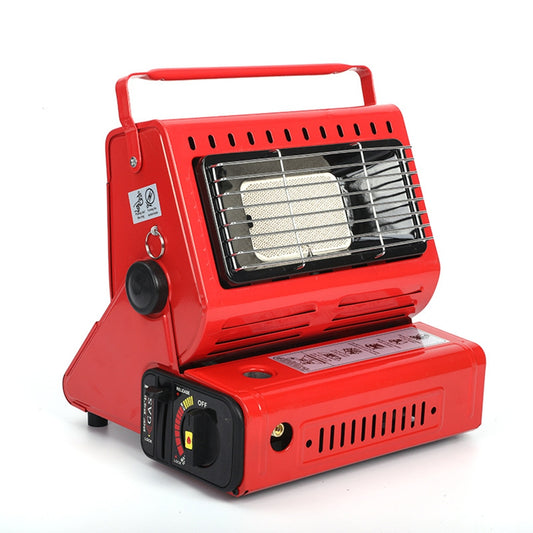
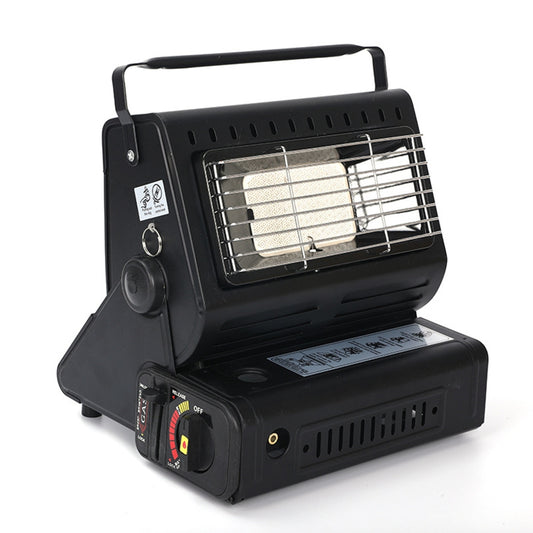
A rechargeable fan can make a still summer tent far more pleasant. Do not use outdoor fuel-burning heaters inside a tent. For cold trips, build warmth through suitable bedding, insulation and clothing, or use only a heating system specifically designed and approved for the occupied space.
Glamping essentials for an outdoor living room
The difference between a campsite you tolerate and one you want to stay at is often the living area. Start with shade. An awning, gazebo or shade shelter gives everyone a place to sit outside without baking in the sun or retreating to the tent at 3 pm. It also keeps the cooking and dining zone usable during light rain.
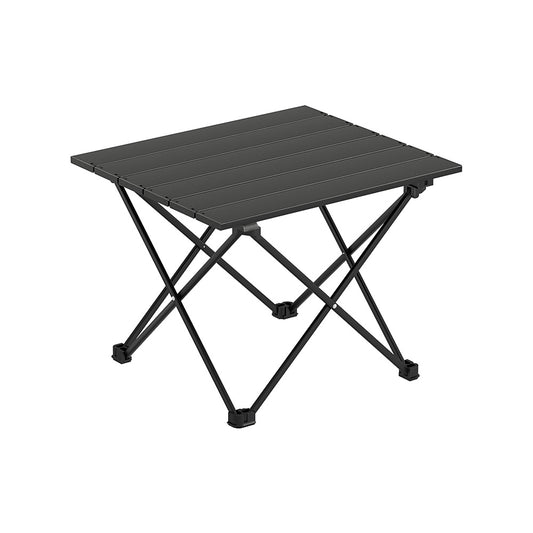
Camp chairs are worth choosing carefully. A supportive high-back chair suits long afternoons with a book or a drink, while compact folding chairs save room in a packed ute or caravan. Add a sturdy folding table at the right height for meals, food prep and card games. If you have kids, a separate low table can keep snacks, colouring-in and games in one easy spot.
Lighting sets the mood, but it also keeps the campsite safer. Use a bright lantern for cooking and packing up, then softer LED string lights or warm campsite lights around the awning for relaxed evenings. Head torches are still essential for trips to the amenities block, finding tent zips or checking the campfire. Keep one beside every bed.
For a more polished setup, bring a washable outdoor mat. It reduces dust around chairs, gives kids a cleaner place to play and makes the camp area feel more like a small patio. It is not essential for every overnight stop, but it earns its space on longer stays.
Keep camp meals simple, not fussy
Glamping food does not have to mean complicated recipes or a full kitchen bench. The real luxury is being organised enough to make a good meal without pulling every item out of a storage tub. A portable gas stove or barbecue, gas bottle, lighter and wind protection cover most campsite cooking needs.
A reliable esky or portable fridge is equally important. An esky works well for a quick weekend if you manage ice properly and keep it out of direct sun. For longer road trips, a 12V fridge gives you more control over fresh food, cold drinks and breakfast supplies. It does need a suitable power plan, so do not buy one without considering your battery capacity or access to mains power.
Pack a compact kitchen kit with a frying pan, saucepan, chopping board, sharp knife with cover, tongs, plates, bowls, mugs and reusable cutlery. A wash tub, biodegradable dish liquid, sponge, tea towels and rubbish bags prevent the after-dinner mess from becoming tomorrow morning's problem.
Coffee is one of those small comforts that feels big at camp. A plunger, stovetop espresso maker or portable coffee maker is more practical than hoping the nearest servo has a decent flat white. Bring long-life milk or a small insulated bottle if fridge space is tight.
Plan your first night's meal before leaving home. Pre-made wraps, marinated skewers or a simple pasta sauce mean you can set up slowly rather than beginning the trip hungry and rushed.
Sort power, water and the practical stuff
A little power goes a long way when it is used well. A charged power bank is enough for phones, lights and small devices on a short stay. For extended trips, a portable power station, 12V battery system or solar panel can support a fridge, lighting and device charging. Solar is excellent in sunny conditions, but it depends on daylight, panel placement and the weather, so have a backup plan for cloudy days.
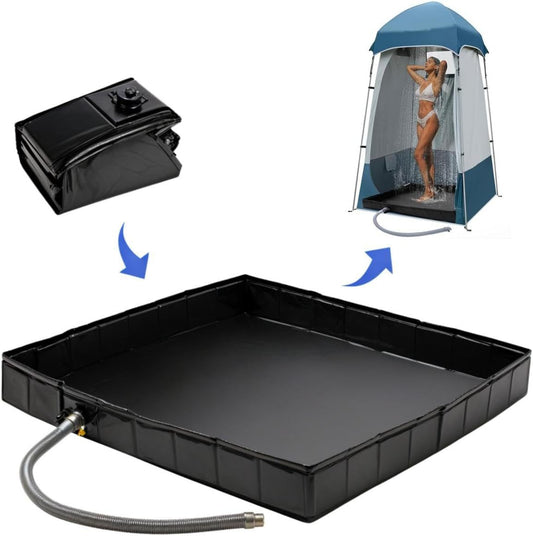
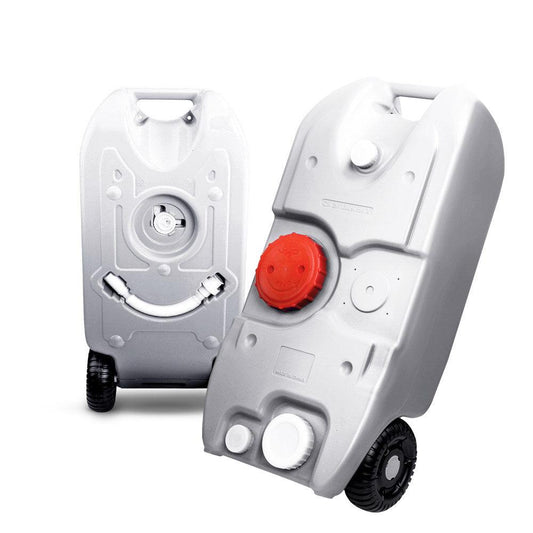
Water is another comfort maker. Even at serviced campgrounds, bring more than you think you will need for drinking, cooking and washing up. A water jerry can with a tap makes life easier than tipping from bottles. For remote sites, check whether the water source is safe before relying on it, and consider a filter or purification option.
The practical bits deserve their own tub: first-aid kit, insect repellent, sunscreen, toilet paper, wet wipes, hand sanitiser, duct tape, rope, tent repair patches, spare batteries and a basic tool kit. Add a foldable clothesline and pegs for wet towels, swimsuits and muddy socks. These are not glamorous purchases, but they save the trip when something goes sideways.
If you are travelling with children, pack familiar bedtime items, easy snacks and a few non-screen activities. A deck of cards, cricket set, fishing gear or board game can turn a rainy afternoon into part of the holiday rather than a reason to pack up early.
Pack for comfort without overpacking
The trick is to make your campsite more comfortable, not make your vehicle impossible to load. Start with the non-negotiables: shelter, sleeping gear, lighting, food storage, cooking gear, water and safety supplies. Then add comfort upgrades based on how long you are away and where you are going.
For a two-night beach trip, an outdoor mat and extra cushions might be worth more than a big power setup. For a week at a bush campground, a fridge, solar panel, better chairs and a stretcher can change the whole experience. If you are towing a caravan, you can carry more home comforts, but weight distribution and storage still matter.
Use labelled tubs for kitchen gear, bedding, recovery and general camp items. Keep the first-night essentials near the tailgate or caravan door so you can set up before dark. It is a simple system, but it saves time every single trip.
Choose practical gear that will work across weekends away, school holidays and road trips rather than novelty items that only leave the shed once.
A good glamping setup is not about copying a luxury resort in the bush. It is about waking up rested, having a dry place to sit, making a decent cuppa and staying outside long enough to enjoy why you came. For inspiration on where to put the setup to use, see our glamping destinations around Australia. Pack for that feeling, check the forecast, and leave a little room in the car for the things that make the trip your own.