10 Easy Vegan Camping Meals for Aussie Trips
Easy vegan camping meals do not need specialist ingredients, complicated prep or half the kitchen packed into the car. The best options use familiar supermarket staples, cook on a basic camp stove and leave you properly full after a day outdoors.
For Australian camping trips, it also helps to choose ingredients that can handle warm weather, limited cold storage and a little flexibility. These ten vegan camp recipes are deliberately loose: use the quantities as a starting point, swap ingredients to suit your group and make use of whatever needs eating first.
What makes a good vegan camping meal?
A useful camp meal should be filling, forgiving and easy to clean up after. Start with a carbohydrate such as oats, bread, wraps, pasta, rice, potatoes or noodles. Add a reliable protein source like beans, lentils, tofu, chickpeas, nuts or peanut butter, then bring it together with vegetables and one strong flavour base.
For shorter trips with a dependable esky or camping fridge, fresh tofu, avocado, mushrooms, spinach and plant-based yoghurt are easy additions. On longer or hotter trips, lean more heavily on tinned beans, lentils, long-life plant milk, pasta, rice, noodles, potatoes, cabbage, carrots and onions.
It is also worth packing a small flavour kit. Salt, pepper, garlic powder, chilli flakes, smoked paprika, curry powder, stock powder, soy sauce and a small bottle of oil can turn very basic ingredients into meals you will actually look forward to.
10 easy vegan camping meals for Aussie trips
Each recipe below is designed for roughly two hungry campers, but none of the quantities need to be exact. Double them for a family, reduce them for a solo trip, or stretch the meal with extra rice, bread, pasta or vegetables.
1. Overnight oats or hot camp porridge
Oats are ideal for early starts because the same ingredients can make a cold breakfast in summer or a warm one on chilly mornings.
You’ll need: 1 cup rolled oats, about 1½ cups plant milk or water, 1 banana or a handful of dried fruit, 1 to 2 tablespoons peanut butter, and optional cinnamon, chia seeds, nuts or maple syrup.
For overnight oats: Divide the oats between two containers, stir in the plant milk and any seeds or dried fruit, then refrigerate or keep cold overnight. In the morning, add sliced banana, peanut butter and a splash more milk if the mixture has thickened too much.
For hot porridge: Add the oats and liquid to a small pot. Simmer for about five minutes, stirring regularly, until creamy. Spoon into bowls and add your toppings.
Easy swaps: Use grated apple instead of banana, cocoa and peanut butter for a chocolate version, or coconut milk powder when carrying cartons is inconvenient.
Camp tip: Pre-portion the oats, cinnamon and seeds into reusable bags or containers at home so breakfast only needs liquid added.
2. Smoky baked beans on toast
Baked beans on toast can stay simple, but a few extras make it feel much more like a proper camp breakfast or easy dinner.
You’ll need: 1 large tin baked beans, 4 slices bread, ½ onion or a few sliced mushrooms, ½ teaspoon smoked paprika, and optional chilli flakes, spinach, avocado or nutritional yeast.
How to make it: Heat a little oil in a frying pan and cook the onion or mushrooms until softened. Add the baked beans, smoked paprika and chilli, then warm gently for five minutes. Toast the bread in a dry pan, over a grill plate or carefully above suitable coals, then spoon the beans over the top.
Easy swaps: Use cannellini beans and tinned tomatoes if you do not have baked beans. Stir in barbecue sauce for a sweeter version, or serve the beans inside wraps when bread is getting squashed in the food box.
Camp tip: Choose ring-pull tins or make sure the can opener lives permanently in your camp kitchen kit.
3. Smashed chickpea salad wraps
These wraps require no cooking, making them a good lunch for travel days, beach stops or afternoons when you do not want to set up the stove.
You’ll need: 1 tin chickpeas, 4 large wraps, 2 tablespoons vegan mayonnaise or hummus, a squeeze of lemon, salt and pepper, plus grated carrot, shredded cabbage, cucumber, lettuce or any crunchy vegetables you have.
How to make it: Drain the chickpeas and roughly mash them in a bowl with a fork. Stir through the mayonnaise or hummus, lemon juice, salt and pepper. Lay out the wraps, add the chickpea mixture and vegetables, then roll tightly.
Easy swaps: Add curry powder and sultanas for a curried chickpea filling, mix through sweet chilli sauce for more flavour, or use mashed white beans instead. The filling also works on crackers, toast or spooned into lettuce cups.
Camp tip: Cabbage and carrots generally travel better than delicate salad leaves, so they are useful choices for longer Australian road trips.
4. One-pot red lentil coconut curry
Red lentils cook quickly, do not need soaking and naturally thicken the sauce, making this one of the easiest warming vegan camping dinners.
You’ll need: 1 cup red lentils, 1 tin coconut milk, 1 tin diced tomatoes, 1 small onion, 1 to 2 tablespoons curry powder or paste, about 1 cup water, and rice, flatbread or wraps for serving.
How to make it: Cook the chopped onion in a little oil for a few minutes. Stir in the curry powder or paste, then add the lentils, coconut milk, tomatoes and water. Bring to a gentle simmer and cook for around 15 to 20 minutes, stirring occasionally, until the lentils are soft. Add extra water if it becomes too thick and season before serving.
Easy swaps: Add diced sweet potato or pumpkin at the beginning, stir through spinach near the end, or replace some coconut milk with vegetable stock for a lighter curry. Chickpeas can replace lentils, although they will not thicken the sauce in the same way.
Camp tip: Mix your curry powder, stock powder and salt in a tiny container at home so there are fewer packets to manage at camp.
5. Tomato, olive and white bean pasta
This is a dependable one-pot pasta with enough protein to be more satisfying than noodles and tomato sauce alone.
You’ll need: 200 to 250 g pasta, 1 jar or tin tomato pasta sauce, 1 tin cannellini beans, a handful of olives, 1 clove garlic or garlic powder, and any vegetables that need using up.
How to make it: Cook the pasta in salted water until just tender. Before draining, save about half a cup of the cooking water. Return the pasta to the pot, add the tomato sauce, drained beans, olives and garlic, then warm everything together. Add a splash of pasta water if the sauce needs loosening.
Easy swaps: Use lentils or chickpeas instead of cannellini beans. Add mushrooms, zucchini, capsicum or spinach, or stir through pesto instead of tomato sauce. Short pasta shapes are generally easier to stir and eat from camp bowls than long spaghetti.
Camp tip: For fewer dishes, drain the pasta carefully using the pot lid rather than packing a separate colander.
6. Build-your-own vegan burrito bowls
Burrito bowls work especially well for families or mixed groups because everyone can choose their own toppings and portion size.
You’ll need: 1 cup rice, 1 tin black beans or kidney beans, 1 small tin corn, 1 teaspoon cumin, 1 teaspoon smoked paprika, salsa, and optional avocado, shredded cabbage, lime, coriander or corn chips.
How to make it: Cook the rice according to the packet directions. In a second pan, or in the rice pot after transferring the cooked rice to bowls, warm the drained beans and corn with cumin, paprika and a splash of water. Divide the rice between bowls and pile on the bean mixture, salsa and preferred toppings.
Easy swaps: Turn the same ingredients into burritos using wraps, use microwave-style pre-cooked rice if your setup allows reheating, or replace rice with crushed corn chips for quick camp nachos. Leftover chilli also makes an excellent burrito bowl topping.
Camp tip: Serve toppings straight from their containers to avoid creating a row of extra washing-up.
7. Quick peanut noodles with crunchy vegetables
Peanut noodles are fast, filling and adaptable, with a sauce made from ingredients that travel well.
You’ll need: 200 g noodles, 3 tablespoons peanut butter, 2 tablespoons soy sauce, 1 tablespoon sweet chilli sauce or a squeeze of lime, a little hot water, and 2 cups shredded cabbage, carrot or capsicum.
How to make it: Cook the noodles and drain them. In the warm pot, mix the peanut butter, soy sauce, sweet chilli sauce and enough hot water to create a smooth sauce. Return the noodles to the pot, add the vegetables and toss until coated. Warm for another minute if you prefer softer vegetables.
Easy swaps: Use tahini or another nut butter, add tofu or edamame when cold storage allows, or turn the dish into a soup by adding vegetable stock and extra water. Instant noodles work in a pinch—discard or reduce the seasoning sachet so the sauce does not become too salty.
Camp tip: Shred cabbage and carrot at home and pack them together in a sealed container for a near-instant dinner.
8. Loaded campfire jacket potatoes
Jacket potatoes take longer than the other meals, but they need very little attention and are ideal when you already have safe, established cooking coals.
You’ll need: 2 large potatoes or sweet potatoes, foil, and toppings such as baked beans, bean chilli, corn, salsa, spring onion, avocado or vegan cheese.
How to make them: Pierce each potato a few times, wrap securely in foil and place beside hot coals rather than directly in fierce flames. Turn occasionally and cook for roughly 40 to 60 minutes, depending on size and heat, until a knife slides through easily. Carefully open the foil, split the potatoes and add your toppings.
Easy swaps: Dice the potatoes and cook them in a covered frying pan with a little oil and water when fires are unavailable. Sweet potatoes cook into a softer, sweeter base and pair well with black beans and salsa.
Camp tip: Fire rules and restrictions vary. Use a stove or barbecue plate whenever open fires are prohibited, and never leave cooking coals unattended.
9. Tofu and vegetable camp stir-fry
A stir-fry is best for the first night or two of a trip, while your tofu and fresh vegetables are still properly chilled.
You’ll need: 300 g firm tofu, 2 to 3 cups chopped vegetables, 2 tablespoons soy sauce, 1 tablespoon sweet chilli or teriyaki sauce, oil for cooking, and rice or noodles for serving.
How to make it: Pat the tofu dry and cut it into cubes. Heat oil in a frying pan and cook the tofu until golden on several sides. Add firm vegetables first, followed by quicker-cooking vegetables. Stir-fry until just tender, then add the sauces and toss everything together. Serve over rice or noodles.
Easy swaps: Use tempeh, vegan sausages, chickpeas or cashews instead of tofu. Frozen stir-fry vegetables can help keep an esky cold early in the trip and become dinner once thawed safely. A spoonful of peanut butter turns the sauce into a richer satay-style coating.
Camp tip: Cut the tofu and vegetables at home, but keep them in separate sealed containers so the tofu does not become waterlogged.
10. One-pot three-bean camp chilli
A hearty bean chilli is excellent for cooler nights, feeds a group easily and often tastes even better reheated the next day.
You’ll need: 2 tins mixed beans or a combination of kidney, black and cannellini beans, 1 tin diced tomatoes, 1 onion, 1 teaspoon cumin, 1 teaspoon smoked paprika, chilli to taste, and about ½ cup water or stock.
How to make it: Cook the chopped onion in a little oil until softened. Add the spices and stir for 30 seconds, then add the drained beans, tomatoes and water. Simmer for 15 to 20 minutes, stirring occasionally, until thick. Season well and serve with rice, bread, wraps or corn chips.
Easy swaps: Add corn, capsicum, grated carrot or diced sweet potato. Stir through a spoonful of barbecue sauce for a smoky-sweet version, or add red lentils and extra water to stretch the chilli further. Leftovers can become burrito filling, nachos or a topping for jacket potatoes.
Camp tip: Chilli is an excellent make-ahead meal. Cook it at home, chill it thoroughly and reheat it on the first night for almost no campsite preparation.
A basic vegan camp pantry
You do not need every ingredient below for every trip, but keeping a small repeatable pantry makes meal planning much easier:
- Oats, rice, pasta, noodles and wraps
- Tinned beans, chickpeas, lentils and tomatoes
- Peanut butter, soy sauce and sweet chilli sauce
- Coconut milk and long-life plant milk
- Onions, carrots, cabbage, potatoes and seasonal vegetables
- Salt, pepper, stock powder, curry powder, cumin and smoked paprika
- Cooking oil, lemon or lime, and a few favourite toppings
Choose ingredients that overlap between meals. The cabbage used in chickpea wraps can go into peanut noodles, the beans bought for burrito bowls can become chilli, and leftover chilli can top potatoes the following night.
How to plan vegan camping meals without overpacking
Start by planning the most perishable meal first. A tofu stir-fry might suit night one, while lentil curry, pasta and chilli can wait until later because they rely mostly on pantry ingredients.
Prepping a few components at home saves time without locking you into a rigid menu. Chop onions, portion spices, shred cabbage, mix sauces and label containers. Pre-cooked rice can also be useful, but it must be cooled quickly, kept properly chilled and reheated thoroughly.
Include one emergency meal that needs little fuel and no fresh produce. Pasta and sauce, baked beans on toast, instant noodles with peanut sauce or a tin of chilli can rescue dinner after a late arrival, bad weather or a failed cooking setup.
A simple two-night vegan camping menu
Day one: Chickpea wraps for lunch, followed by tofu and vegetable stir-fry for dinner while your fresh ingredients are at their best.
Day two: Overnight oats for breakfast, burrito bowls for lunch and a red lentil curry or bean chilli for dinner.
Departure morning: Hot porridge, baked beans on toast or leftover wraps, depending on how quickly you need to pack up.
The camp cooking gear you actually need
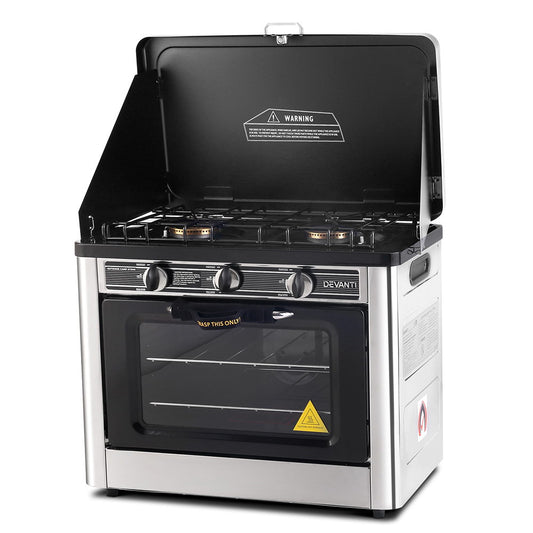
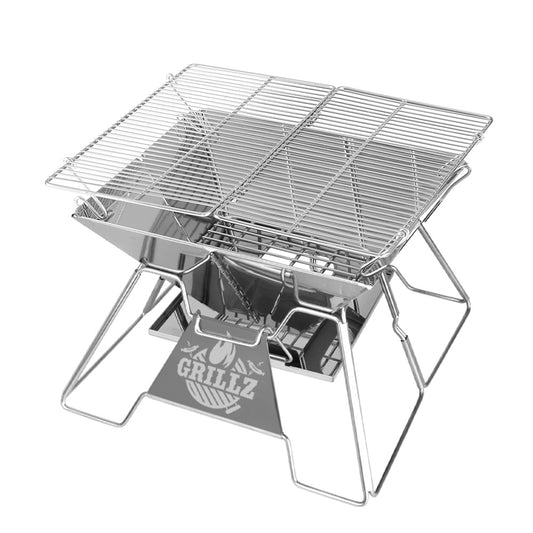
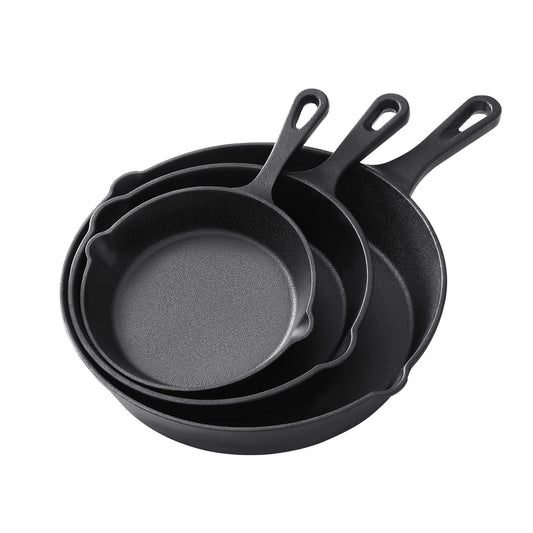
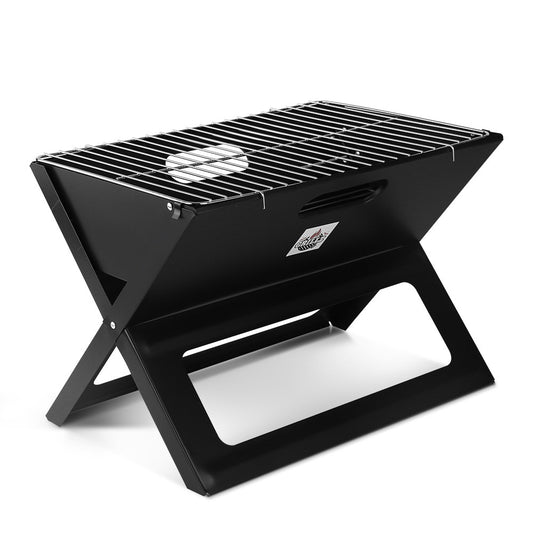
Most of these meals can be made with one reliable stove, a medium pot, a frying pan, a sharp knife, a chopping board, a stirring spoon and a few bowls or plates. You can browse our camp kitchen and cooking gear when building or simplifying your setup.
Cold storage matters whenever you are carrying tofu, plant-based dairy products, pre-cooked food or cut vegetables. Keep chilled food cold, minimise the time the lid is open and use perishable ingredients early in the trip. When in doubt about whether food has stayed at a safe temperature, do not risk it.
A good vegan camp meal does not need to imitate a home kitchen dinner perfectly. It needs to travel well, work with your setup and leave everyone satisfied. With a few flexible staples and flavour boosters, plant-based camping food can be some of the easiest food you make all trip.