Camping With Kids Checklist for Aussie Families
A good camping trip with kids is rarely about travelling light. It is about arriving with the things that prevent the 4 pm meltdown, the cold toes at bedtime and the hungry chorus while dinner is still cooking. This camping with kids checklist is built for real Aussie family getaways - from a powered caravan park near the coast to a bush campsite a long way from the nearest servo.
The goal is not to pack every item in the garage. It is to cover the basics properly, allow for changing weather and give kids enough comfort and routine to enjoy the adventure. Start with the campsite and forecast, then pack around how your family actually camps.
Start your camping with kids checklist with sleep
A tired child can turn a brilliant day at the beach or on the tracks into a difficult evening. Make sleeping gear the first thing you sort, not the last bag thrown in the ute.
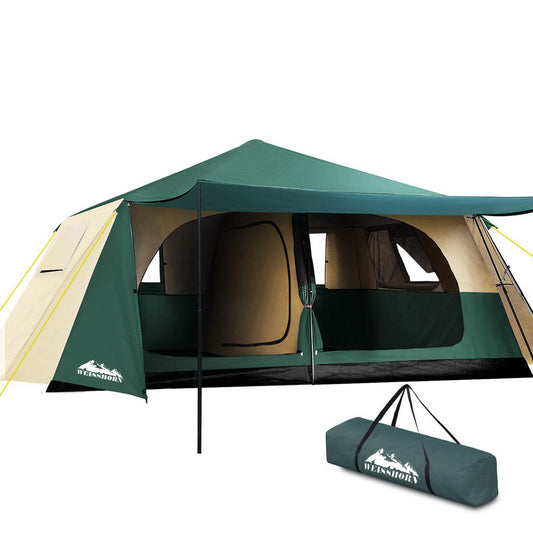
Choose a tent with enough room for everyone to change clothes, get out of the rain and keep bags off bedding. A family tent with a separate living area can be worth the extra space for longer trips, while a compact setup may be better for one or two nights when you are moving camps often. Check that everyone has a proper sleeping mat, stretcher or air bed. A thin mat might be fine for a quick overnight for adults, but it is often a recipe for a poor sleep with kids.
Pack sleeping bags suited to the expected overnight temperature, not just the daytime forecast. Even warm regions can get chilly after dark, especially in winter, inland or near water. Add a fitted sheet or liner for comfort, a pillow from home if space allows, and an extra blanket for each child. Familiar bedtime items matter more than many families expect. A favourite soft toy, small night light or familiar book can make an unfamiliar tent feel much less strange.
Keep one torch or headlamp within each child’s reach, but give younger kids a simple lantern rather than an expensive headlamp they will leave in the scrub. A soft camp light near the tent entrance also makes midnight toilet trips easier.
Pack clothes for dirt, sun and sudden weather
Camping clothes need to work hard. Kids get wet, sandy, muddy and somehow covered in food faster than adults, so plan for layers and spares rather than one outfit per day.
Pack enough underwear, socks and T-shirts for the trip, plus a few extra sets for younger children. Add warm jumpers, long pants, a rain jacket, sun-safe shirts, hats and enclosed shoes. Thongs are handy around camp or at the amenities block, but they do not protect little feet from prickles, hot ground, rocks or dropped tent pegs.
For a beach trip, include swimmers, rash vests and towels. For bush camping, long sleeves and pants can help with mozzies, ticks, scratches and sun. In colder months, beanies and warm sleepwear take up little room and can make a big difference after sunset.
Put each child’s clothes into separate packing cubes or labelled bags. It saves rummaging through one huge duffel bag and makes it easier for kids to help get themselves ready.
Food and water that keep everyone happy
Camp meals do not need to be complicated, but hungry kids are not patient customers. Plan easy meals before you leave, including the first dinner and breakfast. These are the times when you are usually setting up, unpacking and finding out where everything is.
A reliable camp kitchen should cover safe food storage, simple cooking and quick clean-up. Bring a well-insulated esky or portable fridge, enough ice or power to keep perishables cold, a camp stove or barbecue, gas, matches or an ignition source, pots, a frying pan, utensils, plates and cups. Do not forget a can opener, chopping board, sharp knife kept safely out of reach, dishwashing tub and tea towels.
Pack plenty of drinking water even if the campground says water is available. Taps can be a long walk away, taste unusual or be temporarily out of service. A refillable water bottle for each family member makes it easier to keep track of hydration on hot days.
For snacks, choose options that can be grabbed quickly: fruit, crackers, muesli bars, yoghurt pouches in the fridge, trail mix for older kids and sandwich ingredients. Bring a few no-cook backups in case rain, wind or a late arrival makes cooking difficult. If anyone has allergies, keep their food clearly separated and bring more than you think you will need.
The family camp safety kit
Kids should be free to explore camp, but adults need a simple system that makes the boundaries clear. When you arrive, walk the site together. Show children where they can and cannot go, identify roads, water, fire pits and neighbouring campsites, and point out the amenities block or meeting point.
Your safety kit should include these essentials:
- A well-stocked first-aid kit with children’s pain relief, antiseptic, bandages, tweezers and any personal medication
- Sunscreen, insect repellent, after-bite treatment and lip balm with sun protection
- A fire blanket or extinguisher suitable for the camp kitchen, plus heatproof gloves for cooking
- Torches or headlamps, spare batteries and a charged power bank for mobiles
- Emergency contacts, booking details, maps and any required park permits saved offline or printed
- A basic tool kit with tape, cable ties, tent repair patches and spare tent pegs
Around the fire, use a clear rule: no running, no sticks in the flames and no one near the fire without an adult. Keep camp chairs back from the edge, fully extinguish the fire before bed, and follow local fire restrictions. On total fire ban days, your normal campfire plans may not be possible, so a gas cooking option is a sensible backup where permitted.
Keep the campsite comfortable
Comfort is not fancy gear for the sake of it. It is shade at lunch, somewhere dry to sit when it rains and a proper chair for a parent who has been chasing kids all day.
A gazebo, awning or tarp can create a useful living space outside the tent. It gives kids a place to colour, play cards or eat when the sun is fierce, and it helps keep muddy shoes out of sleeping areas. Secure it well - Aussie coastal winds and summer storms can arrive quickly.
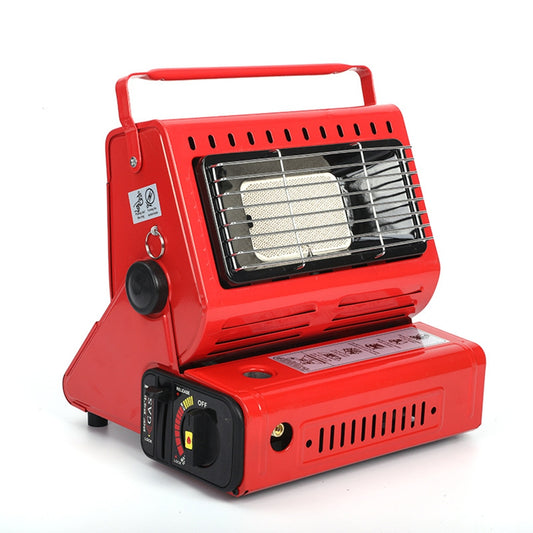
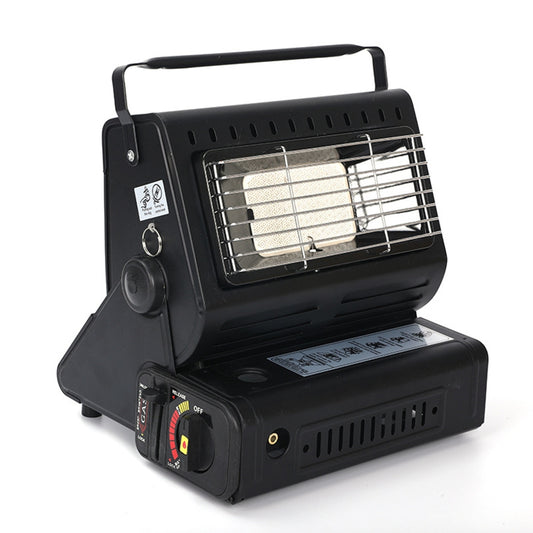
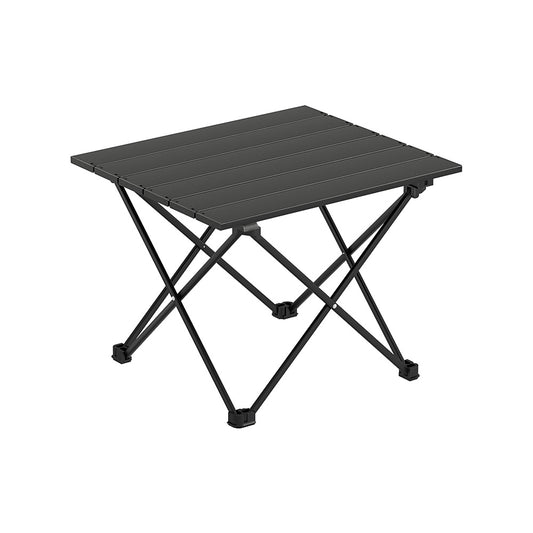
Camp chairs for adults, smaller chairs for kids and a folding table make meals far easier. Add a ground mat at the tent door to reduce dirt inside, a laundry bag for wet clothes, rubbish bags and a small tub for shoes. A portable fan can be a winner on warm, still nights, while a safe, correctly used heater may suit cold-weather camping. Never use an outdoor fuel-burning heater inside a tent or enclosed area, and always follow the appliance instructions.
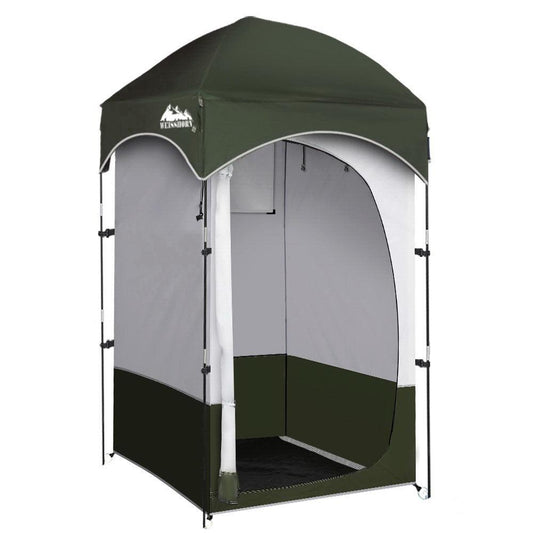
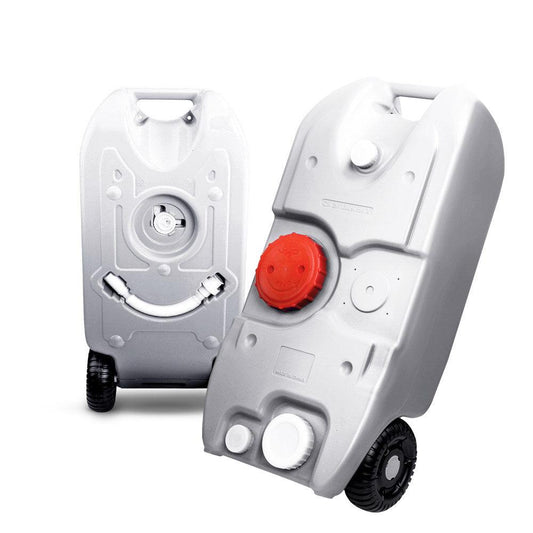
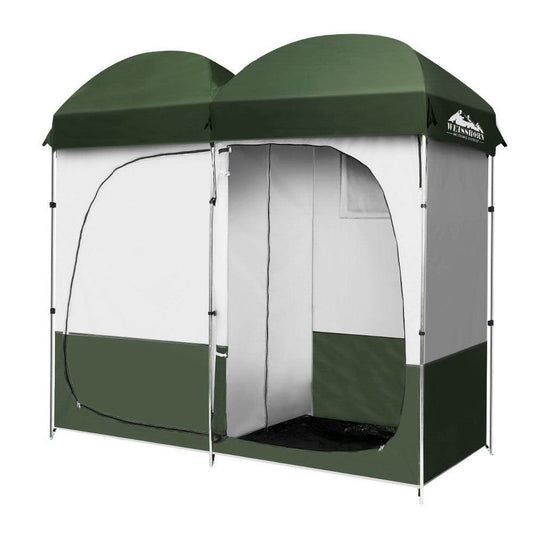
For toilet needs, check the campground setup before leaving. A night-time potty or portable toilet can be useful with toddlers, particularly if amenities are far away. Pack toilet paper, hand sanitiser, wet wipes and a small bag for dirty nappies or used wipes. Never rely on a campsite shop being open or stocked.
Bring entertainment, but leave room for boredom
Kids do not need constant activities in the bush, but a wet afternoon or long quiet period can test everyone. Pack a small activity bag rather than filling the car with toys. Colouring supplies, cards, books, a football, frisbee, binoculars and a few nature-spotting ideas are usually enough.
Encourage kids to help with camp jobs suited to their age. They can collect kindling where allowed, fill water bottles, set out chairs, check tent zips or help make wraps for lunch. It gives them ownership of the trip and keeps the question of “what can I do now?” from appearing every ten minutes.
Screens are not forbidden, but use them as a backup rather than the main event. Download a movie or audiobook before you leave if reception is likely to be patchy, and bring headphones for quiet time in the tent.
Do a final check before the driveway
The night before departure, put the tent, bedding, food storage, cooking gear and first-aid kit where they cannot be missed. Charge mobiles, lights and power banks. Check the weather, road conditions, fire warnings and campsite rules one more time.
If you are towing a caravan or camper trailer, confirm the kids’ seats are fitted correctly, the load is secure and your towing setup is within its limits. For tent campers, make sure everyone knows where their jacket and water bottle are for stops along the way. A few organised bags beat a car packed to the roof with loose gear.
Just Camp stocks practical family camping gear for the bits that make a trip easier - from sleep setups and camp furniture to lighting, cooking and power. Choose gear that suits the trips you will actually take, not a fantasy expedition once every five years.
The best family camps are not the ones where nothing goes wrong. They are the ones where a shower of rain, a flat torch battery or a missed afternoon nap does not ruin the whole weekend. Pack for comfort, keep the plan flexible, and give your kids space to get dirty, stay up a little late and come home with stories worth retelling.