Camping Sleeping Gear Guide for Aussie Trips
You notice bad sleeping gear fast - usually around 2:17 am, when the ground feels harder than it did at sunset and the temp drops quicker than expected. A solid camping sleeping gear guide is not about chasing luxury. It is about waking up rested enough to enjoy the trip, drive safely, fish early, or deal with the kids without feeling wrecked.
For Australian camping, sleep setup matters more than plenty of first-timers expect. Conditions can swing hard between regions and seasons. A mild coastal evening can turn damp and chilly overnight, while inland camps can go from warm afternoons to proper cold before dawn. The right gear comes down to where you are going, how you camp, and how much room you have in the car, van or trailer.
What good camping sleeping gear actually needs to do
The job is simple. Your sleep system needs to keep you insulated from the ground, warm through the night, and comfortable enough that you are not tossing around for hours. That usually means thinking in layers rather than buying one item and hoping for the best.
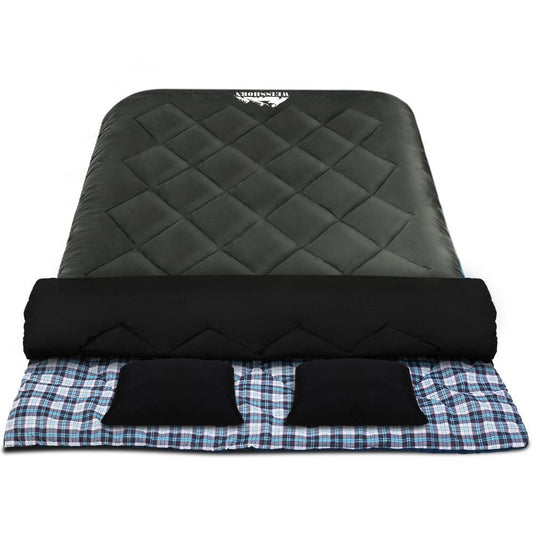
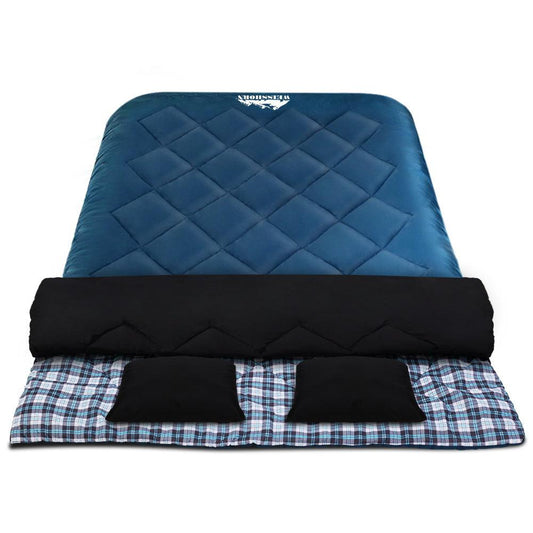
At minimum, most campers need a sleeping bag or quilt, something insulated underneath them, and a pillow or head support that does not leave their neck crooked by morning. For some setups, that is enough. For others, especially family camping or longer stays, a stretcher, swag mattress or self-inflating mat makes a massive difference.
Comfort matters, but so does packability. If you are loading up a 4WD for a week away, you have different limits compared with a caravan traveller or someone doing a quick overnight in a national park campground. Bigger and thicker often feels better, but it takes up more space and can be slower to set up and pack down.
Start with the ground layer
If you get this part wrong, even a warm sleeping bag can feel average. The cold from the ground sneaks through faster than many people realise, and the thinner the layer under you, the more noticeable it gets.
Sleeping mats and self-inflating mats
For most campers, a quality mat is the best starting point. Foam mats are cheap, light and hard to damage, but they are basic. They suit minimalist trips, kids, or backup use more than anyone chasing real comfort.
Self-inflating mats are a popular middle ground because they offer better cushioning and insulation without the bulk of a full air mattress. They are especially handy for weekend trips, swags and family setups where comfort matters but you still want gear that packs away without too much drama. Thickness helps, but it is not the only factor. A decent insulated mat that holds its shape is usually better than a taller option that sags overnight.
Air mattresses and stretchers
Air mattresses can feel great at first, especially for car camping, but they are not always the warmest option unless paired with insulation. They also depend more on valves, pumps and puncture-free use. If you want a plush sleep and have the room, they can work well. If you want low-fuss reliability, they are not always the first pick.
Stretchers get you off the ground, which helps with comfort, airflow and easier entry and exit. That matters for older campers, taller travellers and anyone who does not love crawling around inside a tent at bedtime. The trade-off is bulk. Stretchers take up more room in transport and storage, so they suit drive-up camps better than compact pack lists.
Choosing the right sleeping bag
A sleeping bag is where many campers either overspend on features they do not need or go too cheap and regret it later. The main thing is matching the bag to the coldest conditions you are likely to sleep in, not the best-case forecast.
Temperature ratings are a guide, not a guarantee
Every brand presents ratings a bit differently, so treat them as a starting point. If you sleep cold, add a margin. If you are heading into alpine areas, inland winter conditions or shoulder-season trips, do not try to get away with a lightweight summer bag just because the daytime weather looks fine.
For much of Australia, a versatile three-season bag covers a lot of trips. It suits spring and autumn well and can still handle cooler summer nights in elevated or inland spots. In warmer regions, a lighter bag or camping quilt may be enough. In colder conditions, you want a bag built for it, plus a decent mat underneath. A warm bag on a poor mat is still a rough night.
Shape and fill make a difference
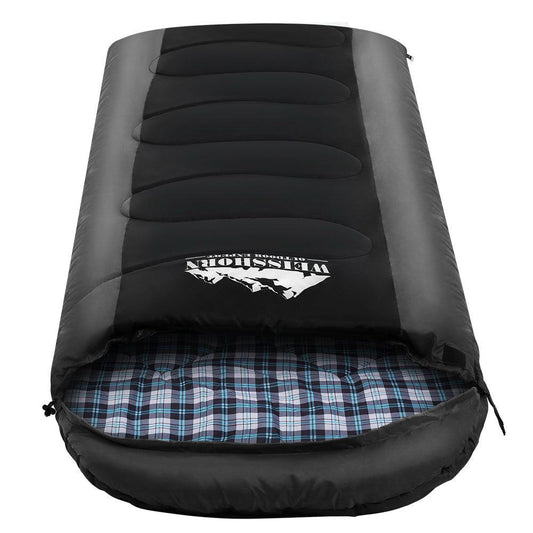
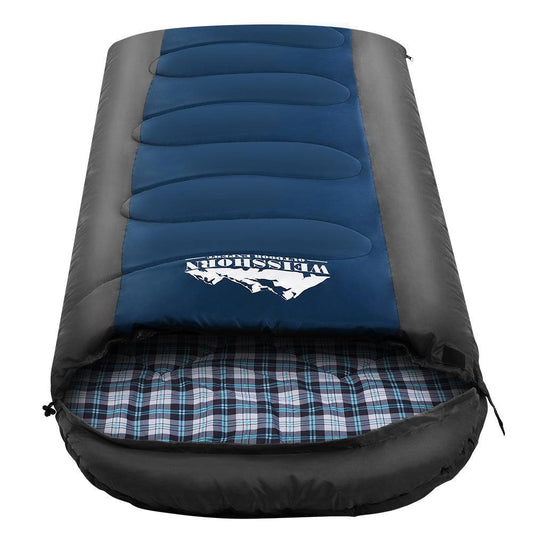
Mummy bags hold warmth better because there is less dead space inside, but some campers find them restrictive. Rectangular bags feel roomier and can be more comfortable for casual camping, especially if you move around in your sleep. The trade-off is heat retention.
Synthetic fill is a practical choice for many Aussie campers. It handles damp conditions better, dries faster and usually gives better value. Down is lighter and packs smaller for the warmth, but it tends to cost more and needs a bit more care. For general family camping, road trips and regular weekenders, synthetic often makes the most sense.
Swags, tents and all-in-one sleep setups
A good swag can simplify your whole sleep setup. For plenty of Aussie campers, it is the easiest way to get comfort, weather protection and a ready-made mattress in one bit of gear. They are especially popular for solo campers, couples with enough vehicle space, and anyone who likes quick overnighters.
The main catch is bulk and weight. Swags are brilliant for drive-up camping, but they are not compact. If you are already tight on storage or travelling with the whole family, separate sleep gear inside a tent may be easier to manage. Still, for pure convenience and classic Australian camping appeal, swags are hard to beat.
Inside a larger tent, your camping sleeping gear guide should focus on combining comfort with simple setup. A self-inflating mat, warm bag and decent pillow often outperform a more complicated setup that takes ages to sort out every night.
Do not overlook the pillow
Plenty of campers pack a spare jumper and call it a pillow. It works, sort of, until your neck tells you otherwise. A proper camping pillow is one of the easiest upgrades you can make.
Inflatable pillows save space, while foam or filled pillows tend to feel more natural. The best option depends on your pack size and how fussy you are about sleep. If you already know poor neck support ruins your night, this is not the spot to cut corners.
Matching gear to your camping style
Not every camper needs the same setup, and that is where this camping sleeping gear guide becomes practical instead of generic. The best choice depends on how you actually camp.
For family campground trips, comfort usually wins. You have the car nearby, more room to pack, and a bit more flexibility. Thicker mats, roomy sleeping bags and stretchers can all make sense here.
For couples doing road trips, a swag or compact mattress setup can save time and keep the vehicle organised. If you are moving camps often, fast setup matters more than a perfect bedroom feel.
For 4WD touring and remote travel, durability matters as much as comfort. You want gear that can handle dust, regular use and changing temperatures without becoming a hassle. Reliable valves, tough outer fabrics and easy pack-down all start to matter more after a few nights on the road.
For caravan travellers, the equation shifts again. Storage is still important, but less than it is in a smaller vehicle. Many travellers use caravan bedding for the main sleep and keep extra sleeping gear ready for guests, kids or the odd overflow setup in an annex or tent.
A few mistakes that cost campers sleep
Going too cheap on the mat is probably the biggest one. People tend to focus on the sleeping bag because it looks like the main item, but ground insulation often makes the bigger difference.
The next mistake is buying for one trip instead of most trips. If you camp mainly in mild weather, buying a huge cold-weather bag can leave you sweaty and uncomfortable. On the other hand, if you regularly head inland in cooler months, a light summer setup will not cut it.
The last one is ignoring setup time. Gear can look great online and still become annoying if it takes too long to inflate, fold, roll or fit back into the bag. If you camp often, convenience is part of comfort.
Build a sleep setup you will actually use
Good camping sleep is rarely about one hero product. It is about getting the basics right, matching them to Australian conditions and being honest about your style of camping. A simple, dependable setup that keeps you warm and comfortable is worth more than fancy gear that never leaves the shed.
If you are building out your kit or replacing tired old gear, focus first on what sits under you, then what keeps you warm, then the extras that improve comfort. That approach gives most campers the best value and the biggest improvement straight away. And if your next trip starts with better sleep, the rest of the weekend usually gets better too.