Campfire Nachos for Easy Aussie Campsite Dinners
A bag of corn chips, a hot campfire and one sturdy pan can turn a hungry, slightly dusty campsite into the best table of the trip. Campfire nachos are fast, filling and easy to customise, whether you are feeding kids after a beach day, a few mates at a 4WD stopover, or everyone parked up beside the caravan.
The best part is that there is no need for a fancy camp kitchen. Get the heat right, layer your ingredients properly and keep an eye on the cheese. You will have a shareable dinner with very little prep and even less washing up.
Why campfire nachos work so well
Camping meals need to earn their spot in the esky. They should travel well, use a manageable number of ingredients and satisfy people who have spent the day fishing, hiking, swimming or setting up camp. Nachos tick every box.
Corn chips hold up better than bread, canned beans and salsa are easy to pack, and grated cheese melts quickly over gentle coals. You can build a simple vegetarian meal from pantry staples or add mince, shredded chicken, pulled pork or leftover snags from last night’s cook-up.
They are also a proper social meal. Put the pan in the middle of the camp table, hand out plates and let everyone dig in. For families, keeping a few toppings separate means fussy eaters can stick with cheese and chips while everyone else loads up on jalapeños and salsa.
The gear you need for campfire nachos
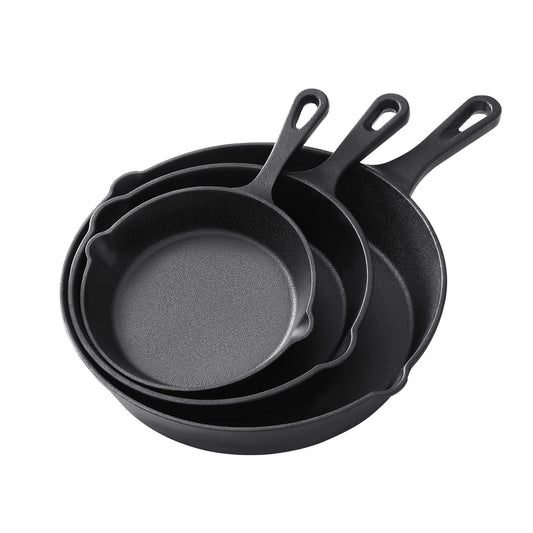
A cast-iron camp oven with a lid is the classic choice because it spreads heat evenly and gives you room to layer the chips. A cast-iron skillet, deep frying pan or foil tray can also do the job. If you are using a skillet without a lid, cover it tightly with foil to trap heat around the cheese.
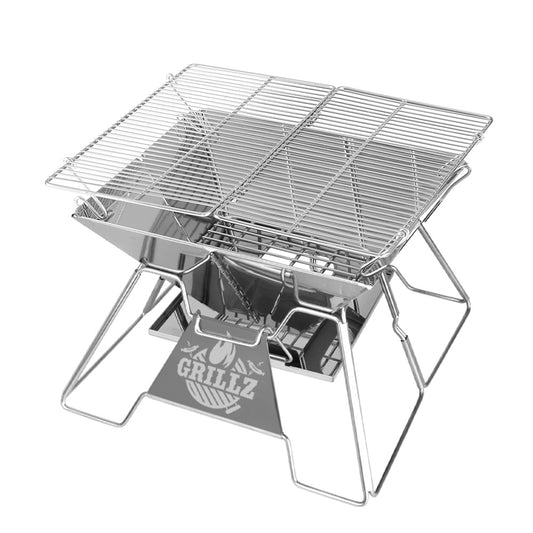
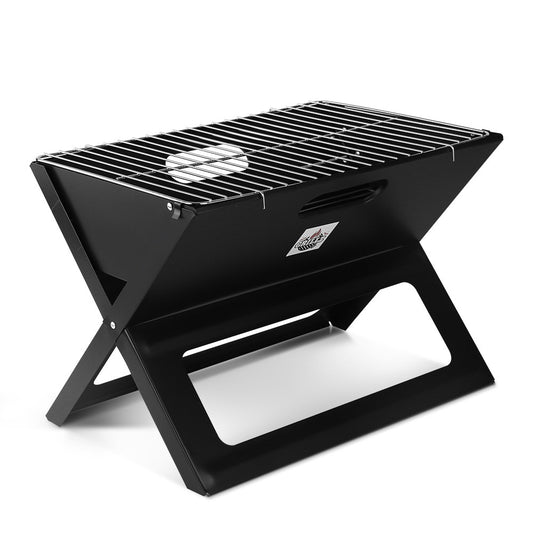
You will also need heatproof gloves or tongs, a sturdy trivet or grill grate, and a long-handled spoon for serving. A campfire grill makes positioning your pan easier, especially when the fire is burning hot. The goal is steady, indirect heat, not flames licking the side of the pan.
If you are travelling light, a disposable foil tray is a handy fallback. Set it on a grill over coals, cover it with foil, then take care when moving it as the base will be hot and flexible. It is not as durable as cast iron, but it keeps clean-up simple on an overnight stop.
Start with coals, not flames
The most common reason campfire nachos go wrong is cooking them over a roaring fire. Flames scorch the bottom layer of chips before the cheese has a chance to melt. Let your fire burn down until you have a bed of glowing coals with a gentle, even heat.
Place the camp oven or skillet on a grill above the coals, rather than directly in the hottest part of the fire. With a camp oven, a small shovel of coals on the lid helps melt the top layer evenly. Keep the lower heat modest because corn chips can go from toasted to burnt quickly.
There is no exact cooking time at every campsite. Wind, firewood and the height of your grill all make a difference. Check after five minutes, then every few minutes after that. When the cheese is melted and bubbling, pull the pan off the heat straight away.
A no-fuss campfire nachos recipe
For four hungry campers, start with one large bag of sturdy corn chips, two cups of grated cheese, one can of drained black beans or kidney beans, and a jar of salsa. Add cooked mince, chicken or chorizo if you want a meatier meal. Pack sour cream, avocado, spring onion, coriander and sliced jalapeños in the esky for fresh toppings.
Begin with a light layer of chips in the bottom of your camp oven. Scatter over some beans, meat and cheese, then add another layer. Repeat until the ingredients are used, finishing with plenty of cheese. Avoid drowning the layers in salsa before cooking. Too much liquid makes the chips soft, so spoon it on after the cheese has melted.
Cover the pan and cook over gentle coals for around 8 to 15 minutes. Once the cheese is glossy and melted, remove the lid. Finish with salsa, avocado, sour cream and whatever extras your crew enjoys. Serve immediately while the bottom chips are still crisp.
Build toppings around your trip
The best topping mix depends on how long you are away and how much room you have in the esky. For a quick weekend camp, fresh avocado and sour cream are hard to beat. On a longer road trip, canned beans, shelf-stable salsa and a block of cheese are easier to manage and less likely to go to waste.
For a hearty version, brown mince with taco seasoning at home and store it cold for the first night. You can also use leftover roast chicken, cooked bacon or sliced chorizo. If you are cooking meat at camp, cook it fully in a separate pan before adding it to the nachos. That keeps the camp oven job simple and avoids uneven cooking.
Vegetarian campfire nachos do not need to feel like the lesser option. Beans, corn, capsicum, red onion and cheese make a filling meal, while smoked paprika or taco seasoning gives the layers more punch. A squeeze of lime at the end cuts through the richness nicely.
For kids, skip the chilli in the main pan and put jalapeños, hot sauce and chilli flakes on the table. It is easier than making two meals and lets everyone choose their own level of heat.
Keep the chips crisp and the clean-up easy
Moisture is the enemy of good nachos. Drain beans well, cook watery vegetables first, and go easy on salsa until serving. If you are adding tomatoes, use them fresh on top rather than under the lid. The same goes for sour cream and avocado - both are best added once the pan is off the fire.
Do not pile the nachos too high in a small pot. A few even layers heat through better than one tall stack, and you are less likely to end up with cold toppings in the middle. If you are feeding a big group, make two smaller batches rather than one oversized one.
Line a foil tray with baking paper only if it is well protected from direct heat. Otherwise, skip it and use foil alone. In cast iron, a light wipe of oil can help with clean-up, but a good camp oven will still need a quick scrub once everyone has finished eating. Let it cool slightly first, then use hot water and a brush rather than soaking it overnight.
Safety around the fire
A camp oven stays hot long after it leaves the coals, so keep it away from kids and place it on a stable, heat-safe surface. Use gloves designed for high heat, not a tea towel that can slip or catch. Never leave a pan unattended near an open flame, particularly on a breezy night.
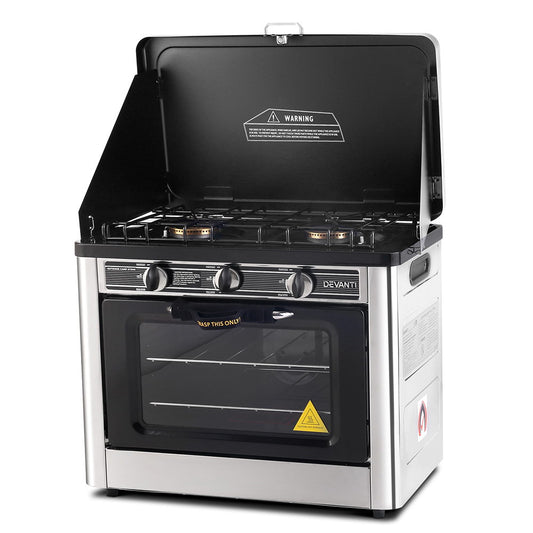
Check local fire restrictions before you light up. During total fire bans or in some national parks and campsites, an open campfire may not be allowed. A portable gas stove can still produce great nachos in a covered skillet, although you may need to use a lower flame and give the cheese a little more time to melt.
When dinner is done, scrape food scraps into your rubbish bag, not into the fire. Cheese, meat and chips attract wildlife, and a clean campsite is better for the next crew rolling in.
A reliable camp dinner does not need a long ingredient list or a pile of cookware. Pack a solid pan, choose toppings that suit your trip and let the coals do the work. With practical camp cooking gear ready in the ute or caravan, campfire nachos can become the meal everyone requests before the next getaway.