★★★★★

"Arrived earlier than quoted, Thank you Just Camp for the great service"

Ross

★★★★★

"Website was easy to navigate and I received my purchase promptly"

Brenda

★★★★★

"Purchased for a great price, service was excellent, postage very quick"

Lindy

★★★★★

"Great product and service A++"
Anthony

★★★★★

"My order arrived faster than expected and the quality was just as good as the big name brands"

Aaron

How to Choose Caravan Gear for Australian Touring

Start with Your Caravan, Tow Vehicle and Trip

Caravan gear should suit the specific caravan, tow vehicle and type of touring you do. A weekend at a powered holiday park has different needs from longer regional travel, hot-weather touring or a caravan that spends months in storage. Start with the systems you already have, then choose accessories that solve a clear setup, maintenance, comfort or protection need.

Before buying fit-sensitive gear, record useful measurements and specifications such as caravan length, roof openings, awning size, available mounting space, electrical system voltage, plumbing connections and the ratings that apply to your towing setup. Product names can sound similar while dimensions, connectors and installation requirements differ.

Caravan Accessories for Everyday Touring

The broad Caravan Accessories range covers practical equipment used around the caravan, including water-system parts, roof vents, 12V lighting, storage products, folding steps and tables, security items, cable accessories and other setup gear. Build the kit around the way you actually travel rather than trying to buy every possible accessory before the first trip.

Items that reduce repeated setup work, organise hoses and cables, improve access or replace worn components can be more useful than purely cosmetic upgrades. For anything mounted, wired or plumbed into the caravan, check fitment and installation requirements first.

Caravan Covers and Storage Protection

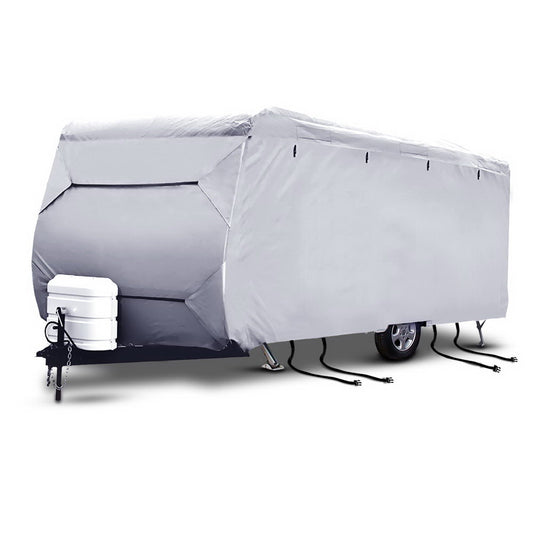
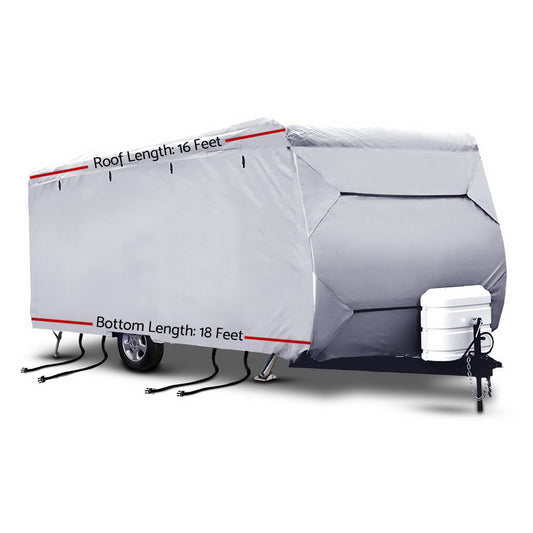
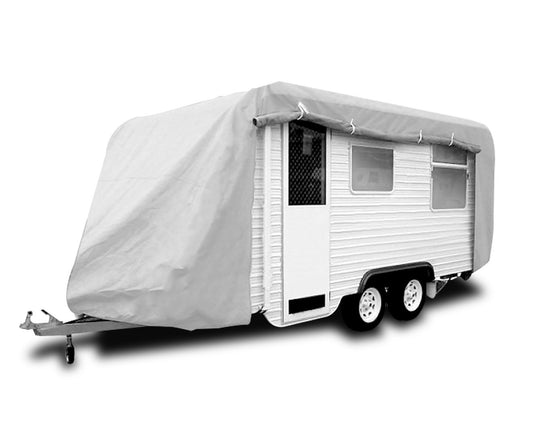
A well-fitted cover can help protect a stored caravan from weather, dust and debris. Browse Caravan Covers and compare the stated size range, material, securing system and intended storage conditions.

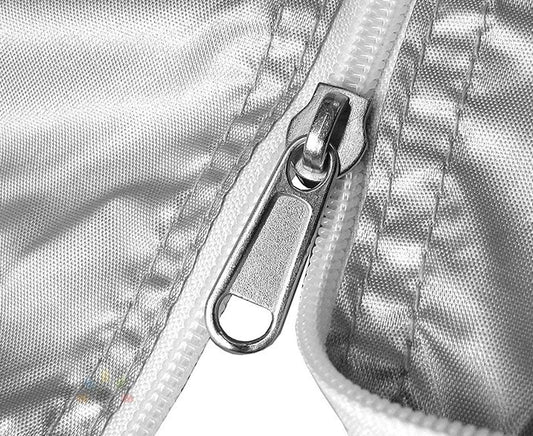
Measure according to the cover manufacturer's instructions rather than relying on the caravan's model name alone. Roof-mounted equipment, awnings, ladders and other fittings can change how a cover sits, and a cover that is too loose or too tight may not perform as intended. Secure it exactly as directed and inspect the cover and contact points periodically during longer storage.

Privacy Screens and Awning Setup

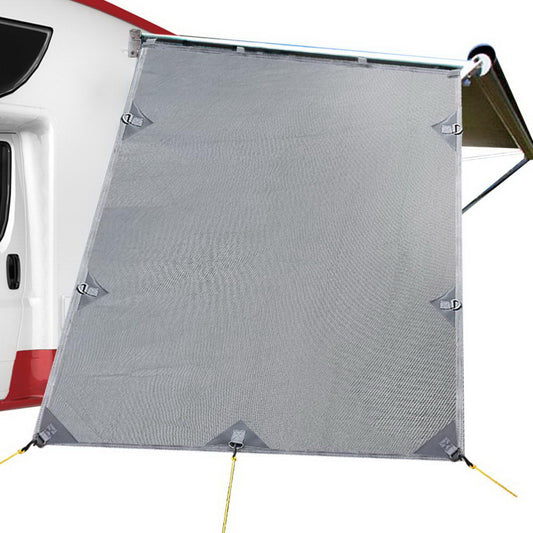
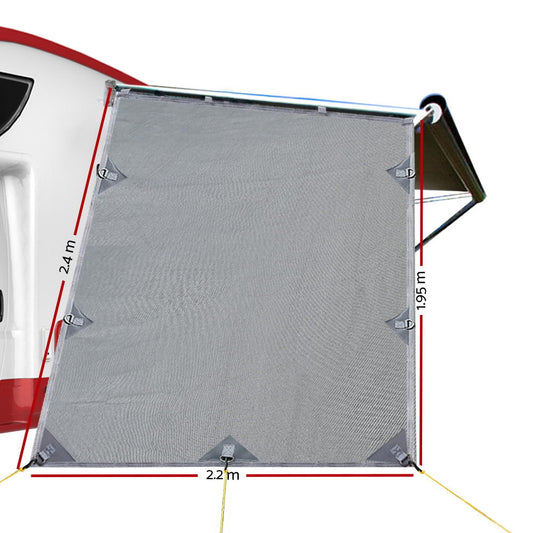
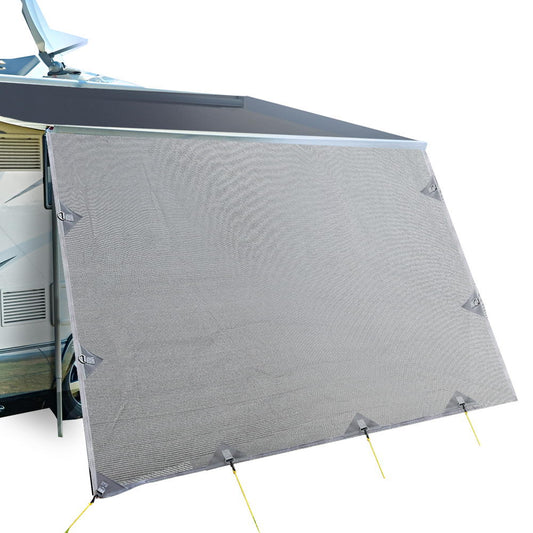
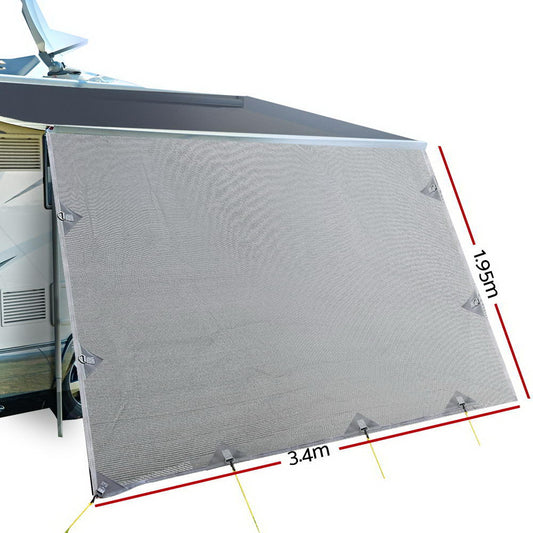
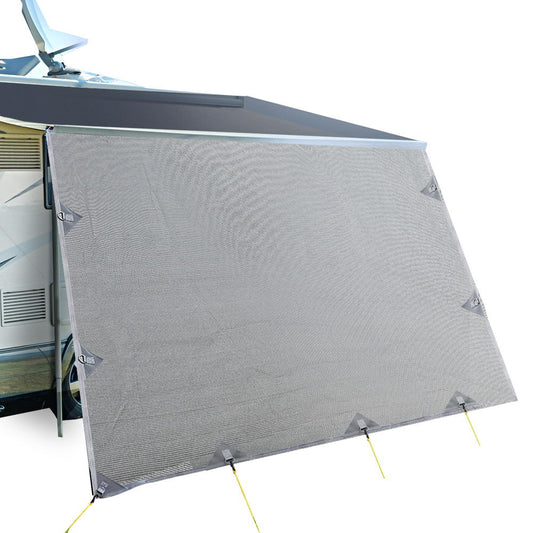
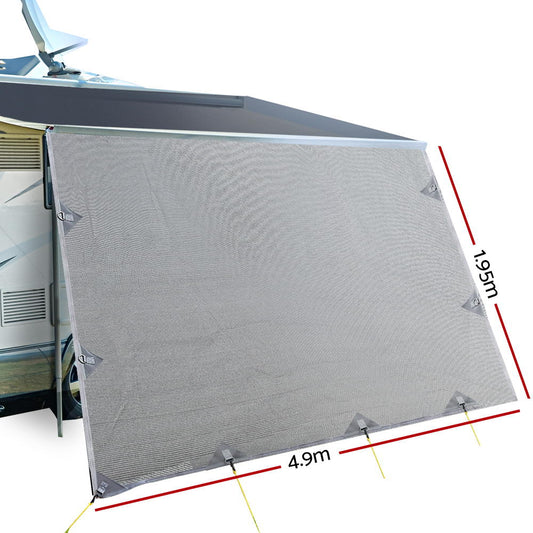
Caravan privacy screens can add shade and reduce direct sightlines around an awning area. The Caravan Privacy Screens collection includes front and end-screen styles in different sizes, so first identify the screen position you need and then confirm dimensions and awning compatibility.

Do not assume a screen will fit because the awning length sounds similar. Check the attachment method, drop, width and any stated compatibility details. In windy conditions, follow the screen and awning manufacturer's guidance and pack equipment away when conditions exceed its intended use.

Water Pumps, Filters and Plumbing Accessories

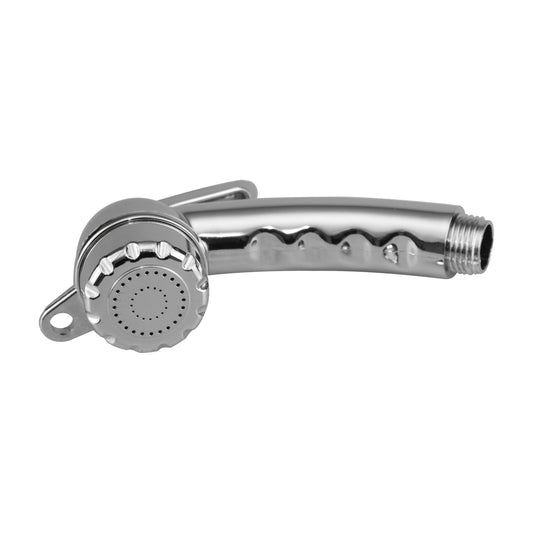
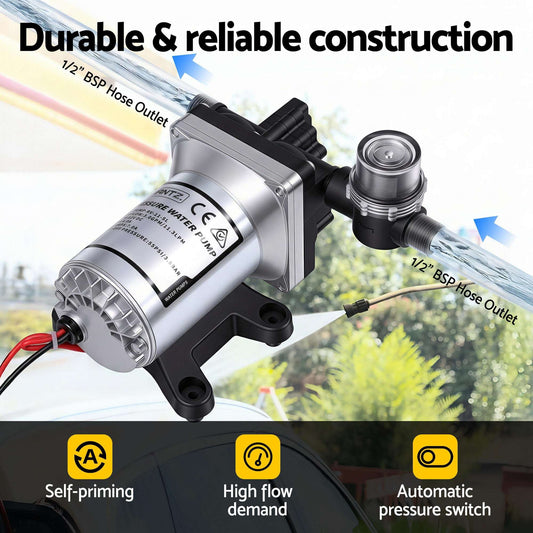
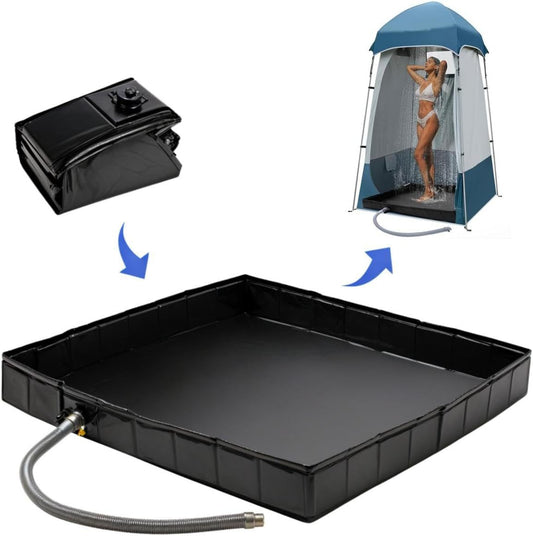
The current caravan range includes 12V water pumps, transfer pumps, filters, drain fittings and shower-related accessories. For a pump, match the stated voltage, flow and pressure to the caravan plumbing and the appliances it serves. Check hose size, fitting type, mounting position, wiring and fuse requirements before installation.

More flow or pressure is not automatically better. A pump should suit the rest of the system. Filters also vary in connection size, intended use and replacement requirements, so follow the product instructions and do not assume every inline filter is suitable for every water source or plumbing setup.

Roof Vents and 12V Ventilation

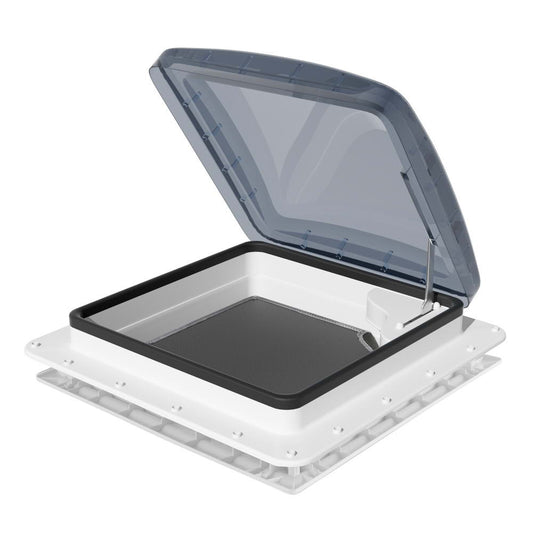
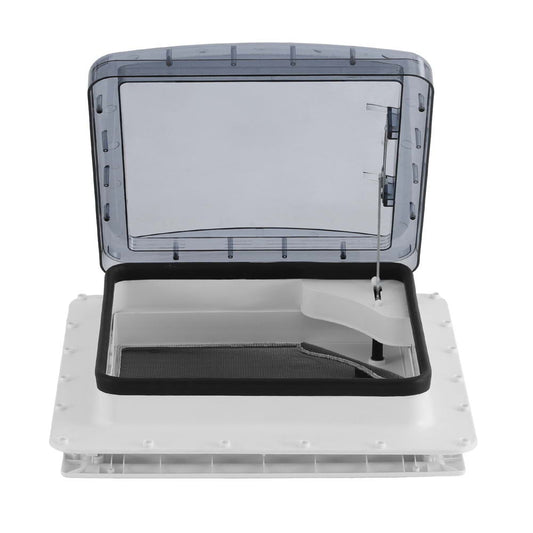
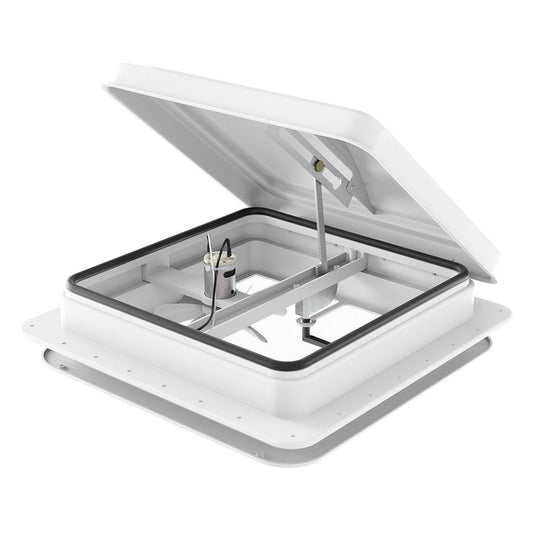
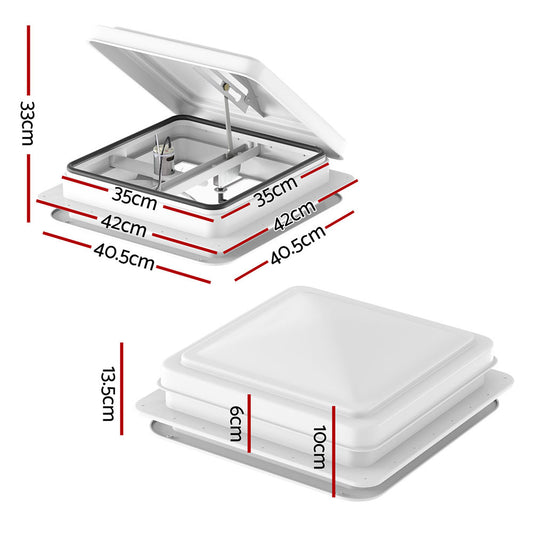
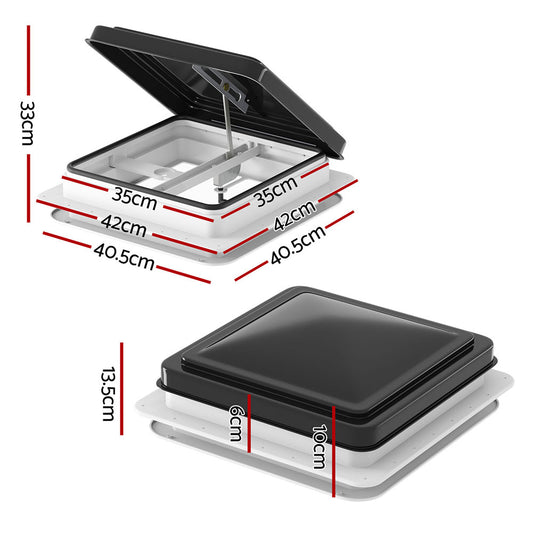
Roof vents and powered vent fans can support airflow in a caravan, but installation is highly fit-dependent. Check the existing roof opening or required cut-out, overall dimensions, mounting depth, voltage, airflow direction and sealing instructions for the exact product.

Before cutting or drilling, confirm clearance above and below the roof and consider wiring, framing and other roof-mounted equipment. Any work that affects fixed electrical systems or the caravan structure should be handled by an appropriately qualified installer where required.

12V Lighting, Solar Connectors and Electrical Accessories

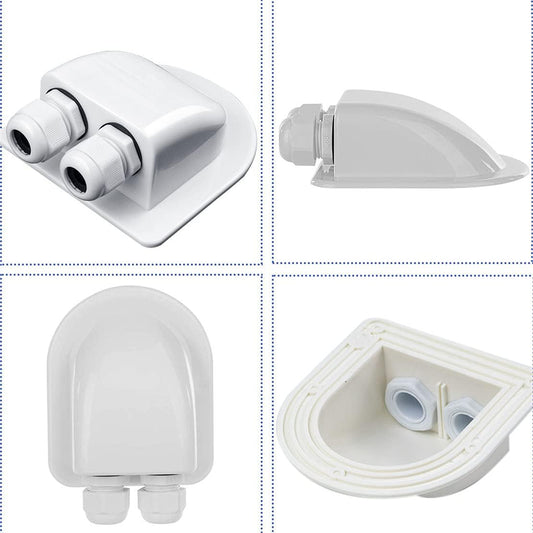
12V lights, cable-entry glands, connector leads and battery-related accessories can be useful for touring and off-grid setups, but compatibility matters. Check operating voltage, current requirements, connector type, polarity, cable size, fuse protection, weather exposure and the requirements of the equipment being connected.

Low-voltage accessories still need correct wiring and protection. Fixed or hard-wired electrical work can be regulated, so use a licensed or appropriately qualified installer where required and follow the caravan and equipment manufacturer's instructions. Never modify an electrical connection simply because the plug or connector looks similar.

Steps, Tables, Storage and Campsite Setup

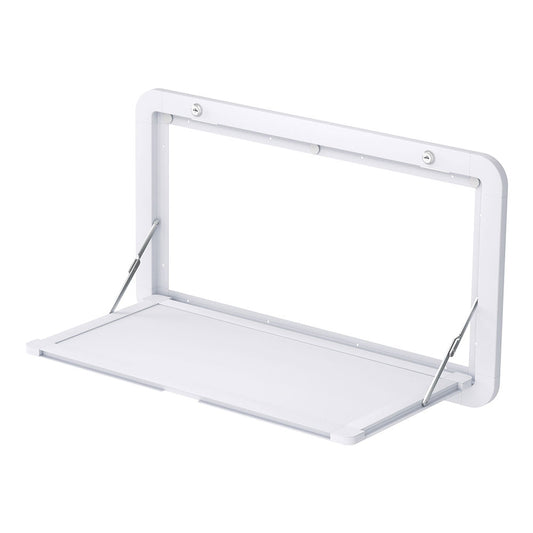
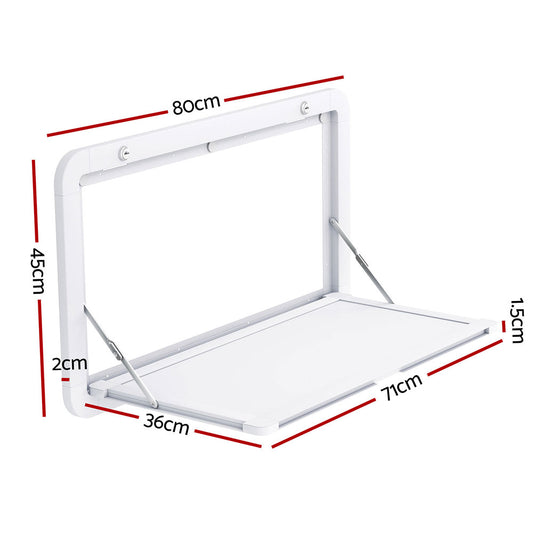
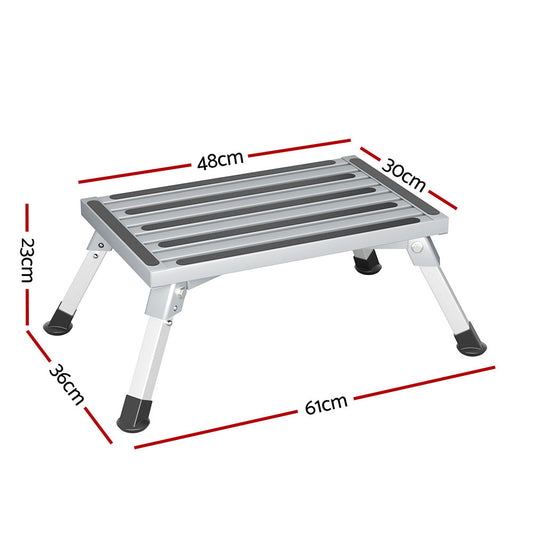
Folding steps, compact tables, cable bags, hose bags and storage nets can make repeated caravan setup easier. For steps, check the stated load rating, platform size, grip and storage dimensions, and place them on a firm, stable surface. For tables and organisers, measure the available storage and mounting space before ordering.

Keep heavy items low and secure for travel. Loose gear can move during towing, and the weight of water, tools, food, batteries and accessories all contributes to the loaded caravan and tow-vehicle combination.

Towing Setup and Tow Ball Weight

Towing accessories should be chosen against the ratings and requirements of the complete combination, not from a generic caravan checklist. Check the tow vehicle, towbar, coupling and caravan manufacturer's limits, and remember that the travelling load includes water, gas, food, clothing and added equipment.

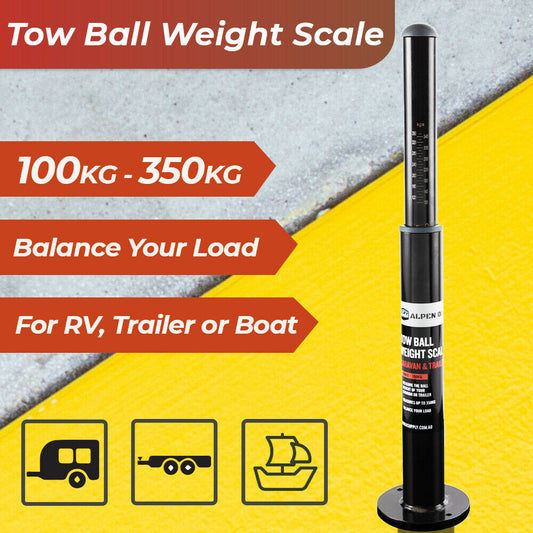
A tow ball weight scale can help measure one part of the loading picture. Use it on a firm, level surface as instructed, confirm its capacity is suitable and compare the result with the applicable vehicle, towbar, coupling and caravan limits. Do not use a scale reading or a weight-distribution device to justify an overloaded or poorly loaded setup.

Security and Travel-Day Checks

Wheel clamps and other security accessories can be useful when the caravan is parked or stored, but they do not replace correct hitching, braking, lighting or roadworthiness checks. Before travel, inspect the coupling, plugs, lights, tyres, visible fasteners and any accessories that could loosen or obstruct lights, plates or controls.

Towing and equipment requirements vary by state, territory, caravan mass and vehicle combination. Check the current rules for the places you travel and use the tow vehicle and caravan manuals as the starting point for ratings and setup.

Heating, Cooking and Fuel-System Accessories

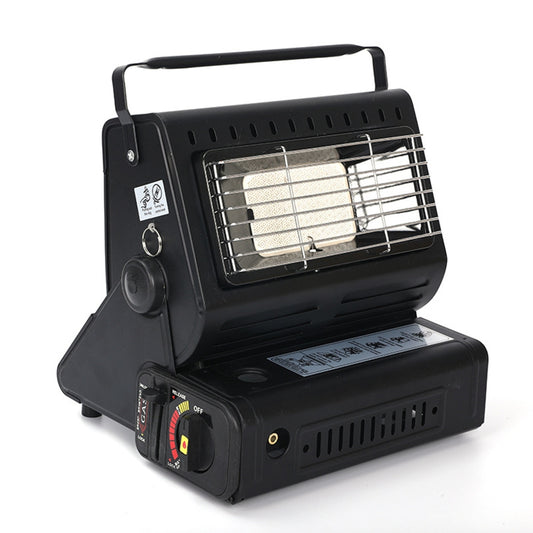
The caravan range can include heating, cooking and fuel-system accessories. For diesel heaters, follow the heater manufacturer's requirements for fuel supply, electrical connection, combustion air, exhaust routing, clearances and ventilation. Do not improvise fuel or exhaust routing or assume a bracket, tank cover or accessory is compatible with every heater.

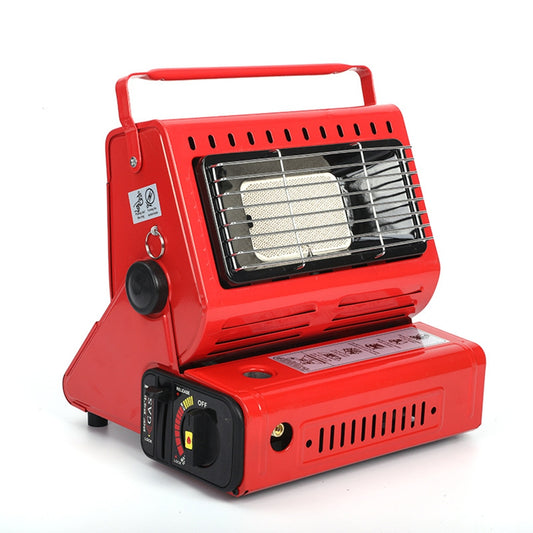
Portable outdoor LPG appliances are not substitutes for appliances designed and installed for indoor caravan use. Outdoor LPG appliances should be used outdoors with the ventilation and clearances specified by the manufacturer, and gas-system work should be handled by an appropriately licensed or qualified person where required.

Cleaning and Caravan Care

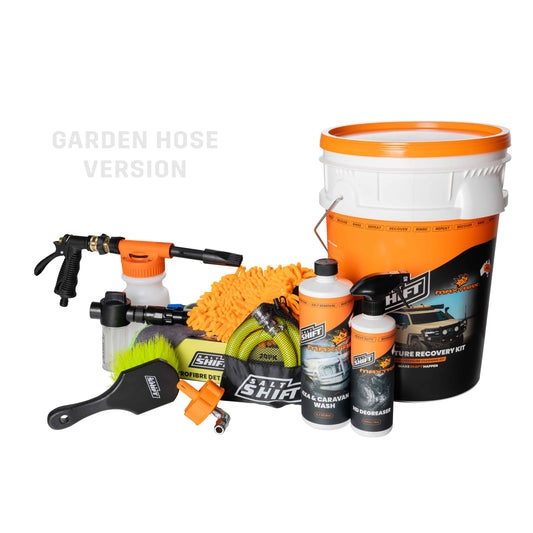
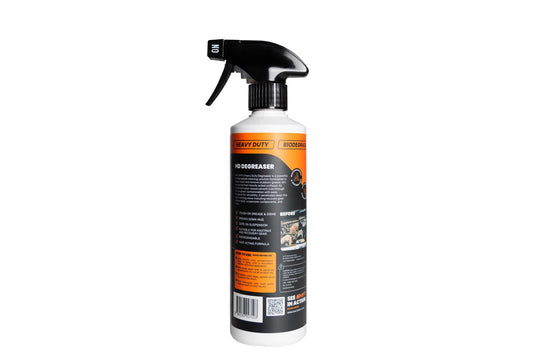
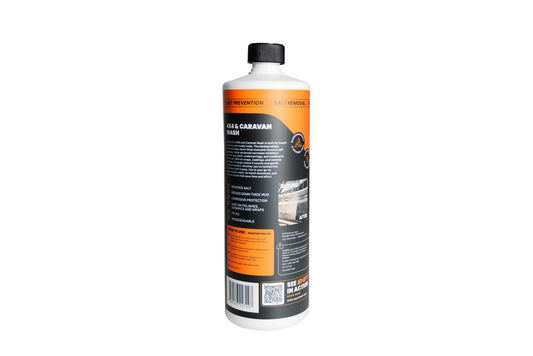
Regular cleaning can make it easier to spot wear and maintain exterior surfaces after coastal, dusty or muddy trips. Browse Vehicle & Marine Care for cleaning and aftercare products that may also suit caravan use.

Follow both the cleaning-product directions and the care instructions for the surface being treated. Paint, decals, seals, plastics, rubber, fabrics, solar equipment and electrical components can require different methods, so avoid harsh chemicals, excessive pressure or heat unless the manufacturer permits them.

Check Fitment Before Ordering

Caravan accessories are often dimension- or system-specific. Confirm measurements, mounting pattern, connector type, voltage, plumbing size, load rating and included hardware on the individual product page before ordering. Where a supplier provides model-specific fitment information, use that rather than assuming a universal fit.

For covers, privacy screens, roof vents, pumps, lights and electrical or plumbing components, a few minutes spent measuring first can prevent a poor fit or an installation that needs extra adaptors or rework.

Common Caravan Gear Mistakes to Avoid

  • Buying a cover from caravan length alone without checking the maker's measuring method and fit range.
  • Ordering a privacy screen without confirming whether a front or end screen is required and how it attaches.
  • Choosing a water pump only by the highest flow or pressure rating instead of matching the existing plumbing system.
  • Cutting a roof opening before checking the vent dimensions, roof structure, wiring and required clearances.
  • Connecting 12V or solar accessories without checking polarity, cable rating, fuse protection and connector compatibility.
  • Adding heavy accessories or travelling with full tanks without accounting for their effect on the loaded combination.
  • Treating a tow ball weight reading as the only measure of safe caravan loading.
  • Using portable outdoor gas appliances inside a caravan or enclosed annex.
  • Installing fixed electrical, fuel or structural equipment without following legal and manufacturer requirements.
  • Storing covers, hoses, cables or other equipment wet or contaminated with salt and grime.

Explore Caravan Gear Collections

Go straight to the specialist range you need: Caravan Accessories, Caravan Covers, Caravan Privacy Screens and Vehicle & Marine Care.

Product note: Dimensions, voltage, fitment, ratings, mounting requirements, included hardware and installation instructions vary by product. Check the individual product page and your caravan, tow vehicle and existing systems before ordering or installation.

Safety note: Towing, electrical, gas, fuel and structural work can involve serious safety risks and legal requirements. Stay within the ratings that apply to your tow vehicle and caravan, use portable outdoor gas appliances only in appropriate outdoor settings, and use licensed or qualified trades where required.

Guide reviewed: August 2026.

Frequently Asked Questions

What caravan gear do I need for a first trip?

Start with gear that matches your caravan and route: water and hose equipment, suitable power and 12V accessories, storage, a stable step, basic setup tools, weather protection and any privacy screen or cover you need. Before departure, also check the towing, load, safety and campsite requirements that apply to your vehicle, caravan and destination.

What are the most useful caravan accessories?

Useful accessories are the ones that solve a real setup or maintenance need. Depending on your caravan, that can include roof vents, water pumps and filters, storage organisers, 12V lighting, cable and hose bags, folding tables or steps, security accessories and cleaning gear. Check dimensions, voltage, mounting method and caravan compatibility on the individual product page.

What caravan accessories do you really need?

Prioritise items required for safe towing, legal operation and the basic systems you actually use, then add convenience gear. Water, power, storage and setup accessories are common priorities, but the exact list depends on your caravan, tow vehicle, campsite facilities and trip length. Do not treat a general accessory checklist as a substitute for the requirements that apply to your specific rig.

Are caravan accessories worth buying before your first trip?

Buy the essentials you know you need and any fit-sensitive items you can confirm before leaving, then add non-essential accessories after using the caravan. This reduces the chance of buying the wrong size, connector or mounting style and helps you learn which storage, privacy, comfort and maintenance upgrades will actually improve your setup.

Are caravan privacy screens worth it?

They can be a practical upgrade when you regularly use the space under a caravan awning. A privacy screen can add shade and reduce direct sightlines into the campsite without the setup of a full annexe. Check whether you need a front or end screen, then confirm the dimensions and awning compatibility before ordering.

How do I choose the right caravan cover size?

Measure the caravan using the cover manufacturer's instructions and compare the stated size range with your van. Account for roof-mounted accessories, awnings and other fittings where the product instructions require it. Also check the securing system, material details and the conditions the cover is designed for rather than choosing from caravan length alone.

How do I choose a caravan roof vent or 12V vent fan?

Check the roof opening or cut-out dimensions, overall size, voltage, airflow direction, mounting depth and weather-sealing instructions for the specific model. Confirm clearance above and below the roof before cutting or drilling. Where installation affects fixed electrical systems or the caravan structure, use an appropriately qualified installer.

How do I choose a 12V water pump for a caravan?

Match the pump's stated voltage, flow rate and pressure to the plumbing system and appliances it will supply. Check hose and fitting sizes, installation orientation, wiring and fuse requirements, and any limits stated by the pump manufacturer. A higher flow or pressure rating is not automatically better if the rest of the system is not designed for it.

Can I install caravan electrical accessories myself?

Use plug-in accessories only as instructed, and do not undertake fixed or hard-wired electrical work unless you are legally permitted and qualified to do so. Requirements vary by state and territory. For 12V accessories, still follow the manufacturer's cable size, fuse, polarity, isolation and mounting instructions, and use a qualified installer when the work is outside your competence or affects fixed systems.

What should I check before using a tow ball weight scale?

Use the scale on a firm, level surface and follow its instructions for positioning and measuring. Confirm the scale is suitable for the expected load, then compare the result with the limits and loading guidance for the tow vehicle, towbar, coupling and caravan. A scale helps you measure; it does not replace the manufacturer's loading requirements.

Popular at Just Camp

1 of 6