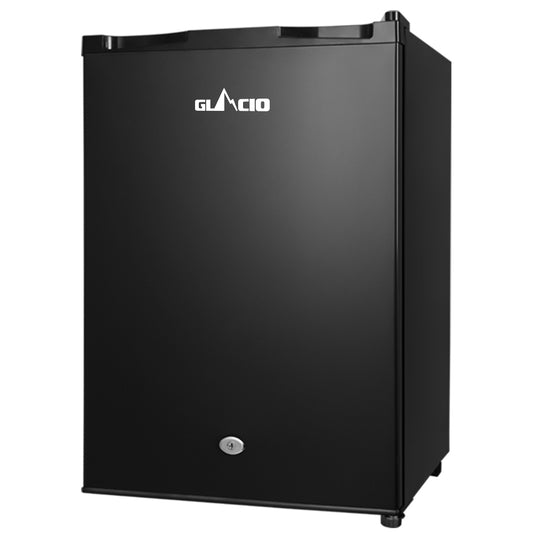
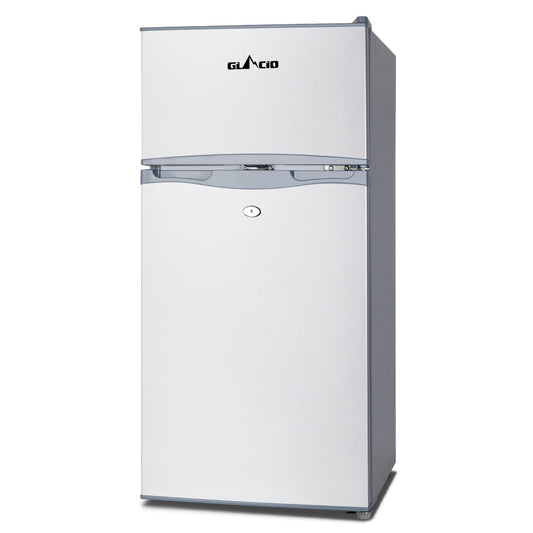
Portable Fridge vs Esky: Which One Wins?
Share
You notice it fast on a warm arvo at camp - the ice is half gone, the snags are floating, and someone’s already asking if the drinks are still cold. That’s where the portable fridge vs esky question stops being theoretical and starts affecting the whole trip.
For Aussie campers, fishers, caravan travellers and weekend road trippers, both options still make sense. But they suit different setups, budgets and travel styles. If you’re deciding what belongs in the back of the ute, the answer isn’t always “buy the most expensive bit of gear”. It’s about how you travel, how long you’re away, and how much hassle you’re willing to put up with.
Portable fridge vs esky: the real difference
At the simplest level, an esky keeps things cold by insulating ice and slowing down heat from getting in. A portable fridge actively cools your food and drinks using power. That one difference changes almost everything else - performance, convenience, running costs and how you pack.
An esky is simple, familiar and cheap to get started with. You fill it with ice, load it up, and head off. A portable fridge costs more upfront, but it gives you proper temperature control and keeps cooling as long as it has power. If you’ve ever had to drain melted ice water off your food halfway through a trip, you already know why many campers eventually switch.
That said, an esky hasn’t become outdated. For plenty of quick trips, beach days and casual overnighters, it still does the job well. The better option depends on what sort of camping you actually do, not what looks best in a product photo.
When an esky is the smarter buy
Eskies still earn their place because they’re easy. There’s no battery setup, no wiring, no compressor noise, and no need to think about voltage or solar input. If you’re heading out for a day trip, one night away, or a weekend where you can top up ice easily, an esky can be the practical winner.
They’re also a good fit for buyers watching the budget. A decent esky costs far less than a portable fridge, and for occasional campers that matters. If you only get away a few times a year, the jump in price may not stack up.
There’s also less to go wrong. An esky can handle rough treatment, sit in the tinny, get dragged onto the beach, or ride in the back without much fuss. For fishing trips, park barbecues, kids’ sport or carrying extra drinks, it’s still a reliable bit of kit.
The catch is that an esky needs managing. Ice takes up space, melts over time, and can leave food wet if it’s not packed properly. In hotter parts of Australia, especially in summer, ice disappears faster than plenty of people expect. What works fine in mild weather over one night can become a soggy mess by day two or three.
When a portable fridge is worth it
A portable fridge starts to make a lot more sense once your trips get longer, hotter or more frequent. If you’re doing a proper camping run, 4WD touring, caravan travel or multi-day fishing trip, being able to keep food at a steady temperature is a big upgrade.
You’re not buying bags of ice every stop. You’re not packing around the melt water. And you’re not planning meals based on what needs to be eaten first before it turns. That convenience is a genuine benefit, especially for families or anyone travelling for several days at a time.
Portable fridges are also better for food safety. Meat, dairy and fresh ingredients stay at more consistent temperatures when the unit is set correctly. If you’re carrying food a long distance in Australian heat, that matters more than saving a few dollars on ice.
For regular campers, the upfront price can start to balance out over time. Buying ice repeatedly isn’t free, and neither is replacing food that’s been waterlogged or warmed up too much. If you camp often enough, a portable fridge can be the more economical choice in the long run.
Cost: upfront versus ongoing
This is usually where the decision gets real. An esky is cheaper to buy, full stop. For many people, that’s enough reason to start there. You can grab one, throw in ice, and head off without changing the rest of your setup.
A portable fridge is a bigger investment, and often the true cost includes more than the fridge itself. You may also need a battery, power station, solar panel, charging setup or vehicle wiring depending on how you travel. If you’re only doing short, occasional trips, that extra spend can feel hard to justify.
But the ongoing costs tell a different story. An esky keeps asking for ice. On longer trips, especially remote ones, that can become inconvenient and expensive. A fridge asks for reliable power instead. If you already run a dual battery, portable power station or solar setup, the equation changes quickly.
So if your goal is lowest entry cost, the esky wins. If your goal is easier long-term touring and fewer ongoing cooling costs, the portable fridge starts pulling ahead.
Performance in Aussie conditions
Australia is where weak cooling setups get exposed. A mild coastal overnighter is one thing. A summer run inland, a beach camp with no shade, or a long stop-start road trip is another.
An esky’s performance depends heavily on insulation quality, how often it’s opened, how well it’s packed, and the quality of the ice. Good technique helps - pre-chilling contents, using block ice, limiting lid openings and keeping it shaded all make a difference. But even with the best habits, an esky is still in a slow battle against heat.
A portable fridge handles heat better because it keeps actively cooling. It’s not magic - it still needs ventilation and enough power - but it doesn’t rely on a melting cooling source. In tough Australian conditions, that makes it far more consistent.
If your trips are usually in cooler months or short enough that ice retention isn’t an issue, an esky can still be perfectly fine. If you camp through summer or travel north, a fridge becomes much easier to appreciate.
Space, weight and packing headaches
Here’s the part people often miss. An esky may seem simpler, but ice eats into usable space. A full esky packed with ice can also get seriously heavy. As the ice melts, contents shift, labels peel, and anything poorly sealed can end up wet.
A portable fridge gives you more predictable storage because the cooling system doesn’t take the same kind of room as bags of ice. You can organise food more cleanly and know roughly how much usable capacity you’ve got. For longer trips, that’s a big plus.
On the other hand, a fridge has its own packing demands. It needs secure placement, airflow around the unit, and access to power. In a smaller vehicle, that can be harder to manage than simply dropping in an esky. If space is tight and your setup changes trip to trip, the simpler option may still suit you better.
So, which one should you buy?
The portable fridge vs esky choice comes down to trip length, budget and how much convenience matters to you.
If you mostly do day trips, one-nighters, weekend beach runs or occasional camping, an esky is still a smart buy. It’s affordable, easy to use and perfectly capable when matched to short trips and realistic expectations.
If you camp regularly, travel for several days, tour in warm weather, or want less mess and better food storage, a portable fridge is usually the better investment. It costs more upfront, but it gives back in convenience, consistency and less mucking around.
There’s also a middle ground. Plenty of seasoned campers run both. A portable fridge handles food and essentials, while an esky carries drinks or backup ice. That setup works well because drinks tend to be accessed more often, and constant lid opening can affect any cooling system. Splitting the load can make both work better.
For buyers building out their camping gear gradually, starting with a quality esky is reasonable. Then, once longer trips and bigger setups become the norm, moving to a portable fridge feels like a natural upgrade rather than an impulse buy.
The best gear isn’t the one with the biggest price tag. It’s the one that suits the way you actually camp. Get that right, and every stop feels easier - from the first cold drink to the last feed before you pack up and point the bonnet for home.