

How to Pack Caravan Storage Properly
Share
That moment when you open a caravan locker and half your gear tries to launch itself at your shins is a pretty clear sign the packing plan needs work. If you’ve been wondering how to pack caravan storage so it stays safe, balanced and easy to use on the road, the good news is it usually comes down to a few practical habits rather than a full setup overhaul.
A well-packed caravan feels better to tow, takes less time to live out of, and makes those quick roadside stops far less annoying. It also helps protect your gear from damage and cuts down the usual rummaging that happens when everything gets stacked wherever it fits five minutes before departure.
How to pack caravan storage without wasting space
The best approach is to pack by weight, frequency of use and location. Heavy gear should sit low and close to the axle where possible. Light, bulky items can go higher or further out. The things you use every day should be easy to reach without unpacking half the van.
That sounds simple, but this is where many setups go wrong. People often pack based on empty space rather than towing balance. A spare camp oven, tool kit, bottled drinks and power gear all shoved into the front boot might seem tidy, but too much weight at one end can affect stability. The same goes for loading too much at the rear. If your van starts to feel unsettled on the highway, storage layout is one of the first things worth checking.
Good packing also means giving every category a home. Cooking gear in one zone, bedding in another, power and cables together, outdoor setup gear together. When each item has a place, packing gets faster before the trip and much easier when you’re packing down in a hurry.
Start with weight and balance first
Before you worry about tubs, dividers or labels, get the weight distribution right. This matters more than making the cupboards look neat. Dense items such as tools, recovery gear, generators, batteries, tinned food and bottled liquids should be packed low and as central as possible. That keeps the caravan more stable and reduces strain on cupboards and fittings.
There’s always a bit of compromise here because every van has a different layout. Some caravans give you better internal storage near the axle, while others push you toward front boots or tunnel boots. If central space is limited, spread heavy gear evenly and avoid creating a single overloaded zone.
It also pays to think about your tow ball weight. If you keep adding gear to the front because it feels convenient, you can end up heavier on the hitch than planned. On the flip side, loading too much at the rear can encourage sway. If your van manufacturer provides storage or payload guidance, follow it. Practical packing is good. Safe packing is better.
What should go low and central
Put your heaviest compact items in lower cupboards, under-seat storage, or central lockers if the layout allows. Tool bags, bottled drinks, spare parts, hoses, levelling gear and packed pantry items usually belong here. Try not to stack hard items loosely where they can shift or knock against plumbing and fittings.
Use tubs, crates or soft-sided storage bags to keep those heavier items contained. Soft-sided options are often better inside tight caravan spaces because they flex to fit awkward areas and are less likely to rattle.
What should go high or out of the way
Upper cupboards and overhead storage are better for lighter gear such as towels, clothes, doonas, paper products and soft food items. Keep breakables secure and avoid loading overhead cupboards with anything dense enough to cause damage if it moves.
If you only use something once every few days, it doesn’t need the prime spot. Extra shoes, spare linen and backup kitchen bits can go into the harder-to-reach spaces, as long as they stay light.
Pack around how you actually travel
A caravan packed for a weekend away looks different from one packed for a two-week loop through regional Australia. That’s where practicality beats perfection. The right system is the one that matches your trip style.
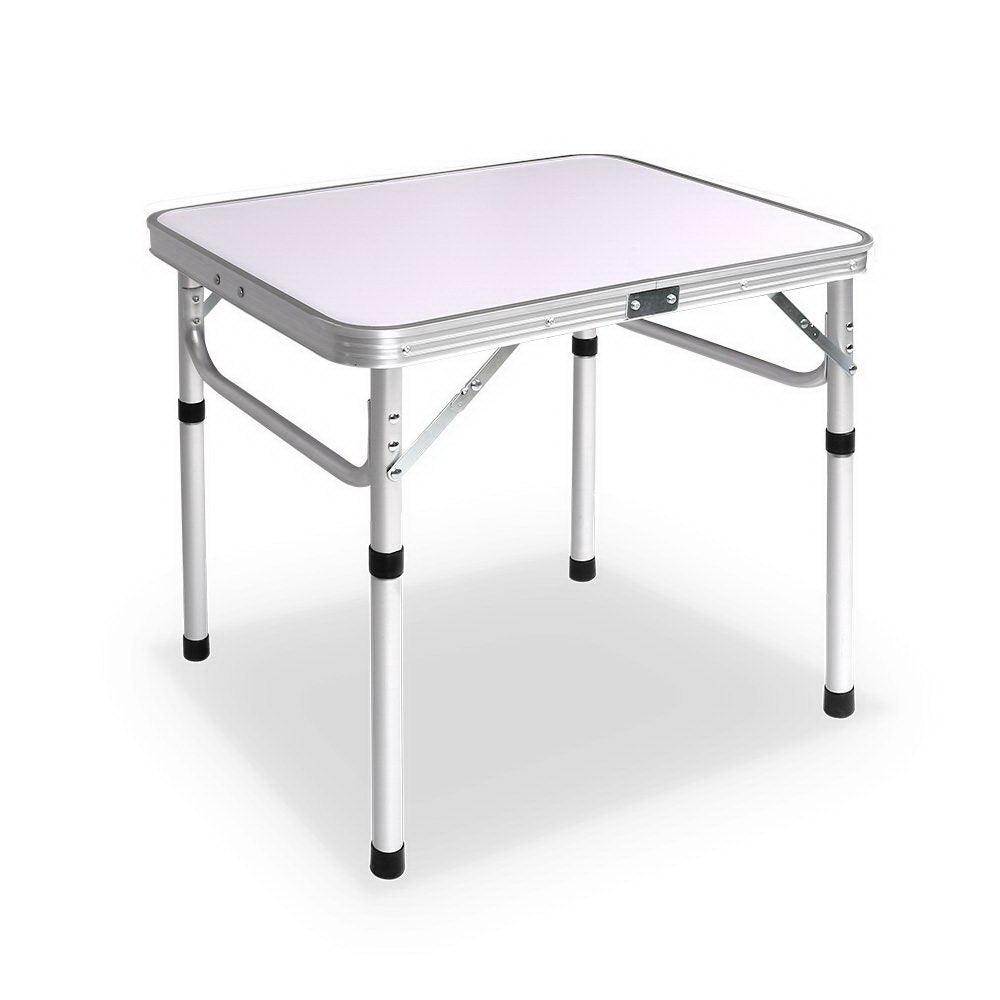
If you stop often and move camp every day or two, keep setup gear easy to grab. Chairs, a folding table, awning accessories, wheel chocks, power lead and water hose should be near the door or in an external locker. If you’re staying put longer, you can afford to tuck some of that deeper and prioritise food, clothes and everyday living gear inside.
Families also need more front-end access than couples. Snacks, first aid, torches, wipes, charging gear and wet-weather extras should be quick to reach. If you’ve got kids hopping in and out, a simple packing system saves a lot of hassle.
Use zones, not random gaps
One of the easiest ways to improve caravan storage is to stop packing into any empty space you can find. That might work for one trip, but it makes the next trip harder because nothing has a set spot.
Create simple zones instead. Keep the kitchen together, even if it spans two cupboards. Store outdoor living gear together. Put electrical items, adaptors, leads and chargers in one dedicated container. Group bathroom and cleaning products so they’re not scattered across the van.
This has two big benefits. First, you find things faster. Second, you’re less likely to overpack because duplicates become obvious. Most caravan travellers carry too many “just in case” items without realising it. Zoning makes that clear very quickly.
Storage tubs, bags and organisers
You don’t need a fancy fit-out to get a better result. A few practical organisers do most of the heavy lifting. Clear tubs help with pantry items and smaller loose gear. Soft bags work well for clothing, bedding and awkward lockers. Drawer organisers stop utensils, torches and odds and ends from sliding around.
The trick is not to overdo it. Too many containers can waste space, especially in smaller vans. Pick organisers that match the cupboard shape and leave enough room to access what’s behind them.
Keep daily-use gear easy to reach
The best-packed van isn’t the one that looks perfect before departure. It’s the one that still works on day four when you need a torch in the rain or a frypan before coffee.
Think through a normal day on the road. What do you reach for first thing in the morning? What do you need when you pull into camp late? What comes out at every fuel stop or lunch break? Those items deserve the easiest access.
Kitchen basics, tea and coffee gear, toiletries, chargers, medications, pet items and weather layers should not be buried behind spare parts or backup supplies. If you have to unload three compartments to make lunch, the storage plan is working against you.
There’s also value in keeping one small grab-and-go tub for site arrival. Power lead, water hose fittings, levelling ramps, mallet and chocks in one spot can make setup much faster, especially when you arrive with fading light and zero patience.
Protect gear from movement and damage
Australian roads are not gentle on loose caravan gear. Even if you’re sticking mostly to sealed roads, vibration, corrugations and sudden braking can make a mess of badly packed storage.
Fill gaps so items can’t shift around. Use non-slip liners in cupboards and drawers. Wrap breakables in tea towels or store them in padded containers. Secure bottles upright where possible, and keep chemicals away from food and soft furnishings.
Cupboard latches do a lot, but they’re not magic. If you’ve ever opened a door to find a packet avalanche or smashed mug, you already know that internal containment matters. Pack for movement, not just for fit.
External lockers need the same attention. Wet gear, hoses and dirty items are fine there, but they still need to be restrained. A tunnel boot packed with loose gear can turn into a noisy mess fast.
What to leave at home
Part of learning how to pack caravan storage is getting honest about what never gets used. Every unnecessary item takes up room, adds weight and makes the van harder to manage.
That extra frypan, four spare blankets in summer, duplicate tools, too many shoes, a backup backup cable set - it all adds up. If something hasn’t made it out of the cupboard in the last few trips, it probably doesn’t need to come every time.
This is especially true with food and water. It’s smart to carry what you need for the route and conditions, but overloading the van with supplies “just because” can chew through payload quickly. Remote travel is different, of course. Short coastal trips and holiday park stays usually allow a lighter, simpler setup.
Repack after the first trip, not six months later
No one gets caravan storage perfect on the first go. The real test is using the van and noticing what annoys you. If the kettle is always blocked in, if the outdoor gear is too hard to reach, or if the pantry shifts every drive, fix it straight after the trip while it’s still fresh in your mind.
Small changes often make the biggest difference. Move heavy gear lower. Shift daily items closer to the door. Swap a rigid tub for a soft bag. Remove the gear you never touched. That kind of steady tweaking builds a setup that actually suits your travel style.
If you’re setting up from scratch, practical storage gear from a reliable Aussie retailer like Just Camp can help you get sorted without overcomplicating it. Keep it simple, pack with purpose, and let the layout work for the way you travel.
A good caravan storage setup should make the trip feel easier before you’ve even left the driveway.