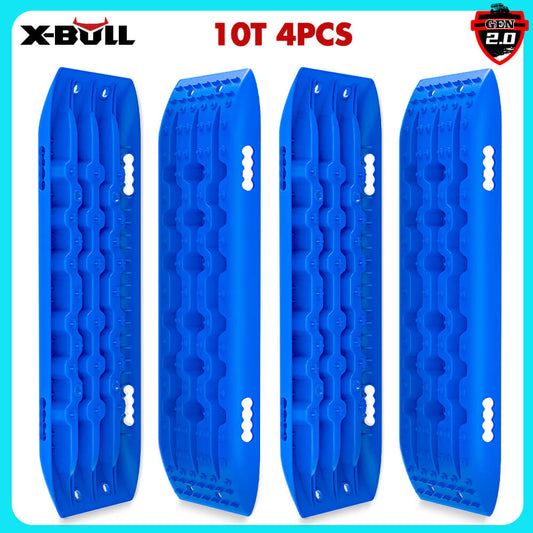
How to Use Recovery Tracks Properly
Share
Spinning your wheels in soft sand is the fastest way to turn a good trip into a long afternoon. If you want to know how to use recovery tracks properly, the big thing is this - slow down, stop digging, and set the tracks up the right way before you touch the throttle again.
Recovery tracks are one of those bits of gear that look simple because they are simple. But simple gear still needs the right technique. Used well, they can get you out of sand, mud and boggy ground without a snatch strap, another vehicle or a whole lot of drama. Used badly, they can shoot out, dig deeper holes, or leave you even more stuck than when you started.
How to use recovery tracks without making it worse
The most common mistake is trying to power out first and think later. The moment you lose forward momentum and the tyres start spinning, back off. Wheelspin polishes the ground, digs the chassis lower and makes recovery harder.
Get out and have a proper look. Check which wheels have lost traction, how deep the tyres are buried, and whether the diffs, side steps or underbody are already resting on the ground. If the vehicle is bellied out, recovery tracks alone might not do the whole job until you clear some material from underneath.
Before placing the tracks, reduce tyre pressures if conditions suit. On sand, this is often the difference between an easy recovery and a long shovel session. Lower pressures give you a bigger footprint and let the tyre climb onto the track instead of digging through it. There is no single magic number because it depends on your tyres, vehicle weight and terrain, but the point is to match pressure to conditions rather than stay at highway settings.
Then start digging. You do not need to excavate half the track, but you do need to clear a path. Use a shovel to remove material in front of the driven tyres and create a gentle ramp. The flatter and cleaner that approach is, the better the track can bite.
Where recovery tracks should go
Place the recovery tracks in front of the tyres that are driving the vehicle. In a four-wheel drive, that may be all four wheels in some situations, but usually you will focus on the wheels with the least traction or the ones doing the digging. In a two-wheel drive vehicle, they need to go at the driven wheels only.
Push each track firmly under the leading edge of the tyre so the tyre can roll straight onto it. You want as much contact as possible between tyre and track from the very start. If the track is just laid in front of the wheel with a gap, the tyre can hit it, push it forward or flick it out.
Angle matters too. Set the tracks in the direction you actually want to travel, not just straight ahead if the best line is slightly left or right. If you have room to steer gently toward firmer ground, do it. Sharp steering input while climbing onto the tracks can shift them out of place.
If the vehicle is sitting hard on the belly, use the shovel first. Clear under the chassis, diffs and any crossmembers that are dragging. Recovery tracks help tyres find grip, but they cannot do much if the vehicle's weight is still planted on the sand or mud underneath.
The right way to drive onto recovery tracks
Once the tracks are in place, get back in and select the right mode for the terrain. Low range is often the smart option in soft ground because it gives you better control and smoother torque delivery. If your vehicle has traction control options, know how they behave. Some systems help, some can cut power at the wrong moment, and it depends on the vehicle.
Now go gently. This is the part plenty of people get wrong. You do not attack recovery tracks with speed. You ease onto them with steady throttle and let the tyres climb. The goal is controlled movement, not wheelspin. If the tyres start spinning again, stop straight away and reset.
Keep your steering as straight as practical and maintain light momentum until all tyres are back on firmer ground. Do not stop halfway if you can avoid it. Once clear, keep rolling to a safe flat spot before getting out to collect the tracks.
And never stand in front of or close beside a recovery track during the attempt. If a track shoots out under load, it can move fast. Make sure passengers and bystanders are well clear before the driver moves the vehicle.
Sand, mud and tracks - what changes?
Sand is where recovery tracks really earn their keep. On beaches, dune access tracks and soft inland country, they work best when combined with lowered tyre pressures and minimal wheelspin. Sand rewards a gentle approach. Dig a ramp, slot the tracks in tight, and drive out smoothly.
Mud is less predictable. Some mud has a firm base underneath, and tracks work brilliantly. Other times it is deep, slick and full of ruts, which can make it harder for the track to stay put. In mud, take extra care to clear enough space for the tracks to sit flat and avoid burying them under spinning tyres. If the mud has you hung up on the underbody, the shovel becomes just as important as the tracks.
Wet grass and clay can be awkward too. You might not look badly stuck, but the surface can be slippery enough that the tyres just skate. Recovery tracks can help here, though placement needs to be tidy because there is less loose material to hold them in place.
Common mistakes when learning how to use recovery tracks
The biggest one is too much throttle. Recovery tracks are not launch ramps. If you floor it, the tyres can chew them up, spit them out or bury them.
The next mistake is poor placement. Tracks need to be tucked under the tyre, aligned with your exit path and supported by a cleared approach. Just dropping them near the wheels rarely works.
Another common issue is forgetting tyre pressure. Plenty of beach recoveries that seem impossible become straightforward once pressures come down. Tracks and tyre pressure work together.
There is also the question of when not to persist. If you have tried once or twice and the vehicle is sinking deeper, stop and reassess. You may need more digging, a different angle, extra tracks, a jack, or another recovery method. Good recovery is about judgement as much as gear.
Choosing the right recovery tracks for your setup
Not all recovery tracks are equal, and price is only part of the story. The best set for you depends on how and where you travel. If most of your trips are beach runs with the family wagon or weekend touring in a loaded 4WD, you want tracks that can handle real weight, repeated use and rough handling without being painful to store.
Look at length, construction, grip pattern and ease of carrying. Longer tracks can make it easier for the tyre to climb and keep moving, especially in soft sand. Strong lugs help with bite, but the material needs enough flex and toughness for Aussie conditions. Side handles matter more than people think when the tracks are muddy, sandy or jammed under the vehicle.
Storage is another practical point. Recovery tracks are bulky, and if they are hard to access, they are less useful when you need them in a hurry. Mounting options on roof racks, rear carriers or inside a canopy can make a big difference on real trips.
A quick word on safety and care
After recovery, give the tracks a rinse or at least knock off the worst of the sand and mud before packing them away. Built-up grit and muck can make them messy to handle and harder to stack. Check for damage too, especially if they have taken a hammering from wheelspin.
Use gloves if conditions are hot. Tracks left in direct sun can get warm, and muddy recoveries are never a clean job. It is also worth practising with your gear before a big trip. The first time you use recovery tracks should not be when the tide is pushing in or the weather is turning.
For plenty of Aussie campers and 4WD owners, recovery tracks are one of the handiest bits of insurance you can throw in the rig. When you know how to use recovery tracks properly, they save time, reduce stress and help you get moving again without turning a small problem into a costly one. A bit of patience, a shovel and the right technique usually beat brute force every time.