How to Shop Camping Gear on Sale Smarter
Share
A cheap camp chair that folds on the first trip is not a bargain. That is the difference with camping gear on sale - the best buys are not just marked down, they are actually worth packing for the weekend, the school holidays, or the big lap.
For most Aussie campers, the goal is simple. Get solid gear, pay a fair price, and have it turn up fast enough that the trip still happens. Whether you are upgrading an old setup, buying your first swag, or replacing the stove that finally gave up, sale shopping works best when you know where to save and where to hold the line.
Why camping gear on sale can save you money - or cost you more
A sale can stretch your budget a long way, especially when you are buying across multiple categories. A discount on a tent is handy. A discount across sleeping gear, camp furniture, lighting and cooking kit can be the difference between a rough setup and a comfortable one.
But price on its own is not the full story. Gear that is too flimsy for regular use often ends up being bought twice. That is where shoppers get caught. They chase the lowest number rather than the best value. For camping in Australian conditions, that trade-off matters. Heat, dust, coastal air, rough tracks and sudden rain all test gear quickly.
A smarter approach is to ask a better question than, “How much is it off?” Ask, “Will this do the job properly for the type of trips I actually take?” If the answer is yes, a sale price becomes a genuine win. If not, it is just cheap stuff taking up room in the boot.
Start with the trips you actually do
The easiest way to waste money is shopping for some fantasy camping life that never happens. A family doing long weekends at powered sites has different needs from a couple heading bush in a 4WD. Caravan travellers shop differently again. So do fishers, beach campers and festival campers.
If most of your trips are easy-access campsites, comfort items usually deserve more of the budget. Think camp chairs, tables, stretchers, lighting, portable cooking gear and sleeping gear that helps everyone wake up in a decent mood. If you are heading remote, reliability and packability matter more. Power, recovery gear, weather protection and water management start moving up the list.
Sale shopping gets easier when your priorities are clear. You stop buying random extras and start building a setup that works together.
The best categories to buy on sale
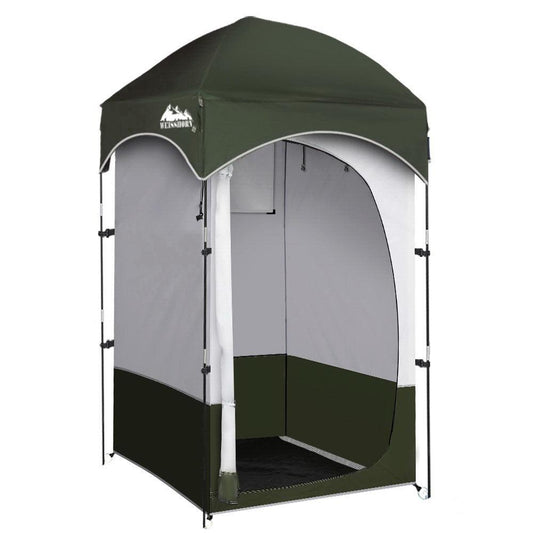
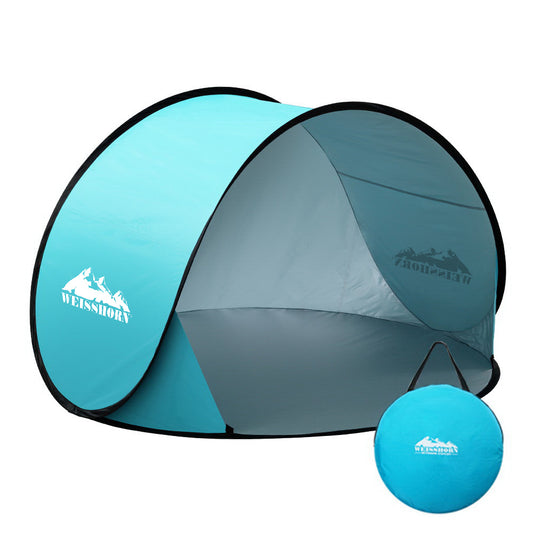
Some gear categories are especially worth watching when prices drop. Tents and swags are obvious ones because the upfront cost is higher, and even a modest percentage off can mean solid savings. Sleeping bags, mats and stretchers are also worth targeting, particularly if you are fitting out more than one person.
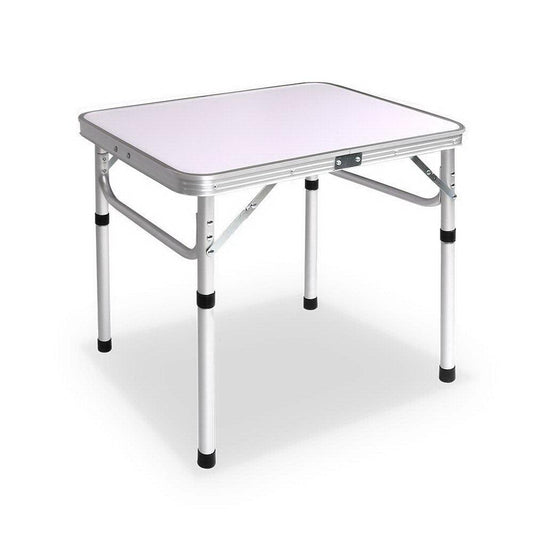
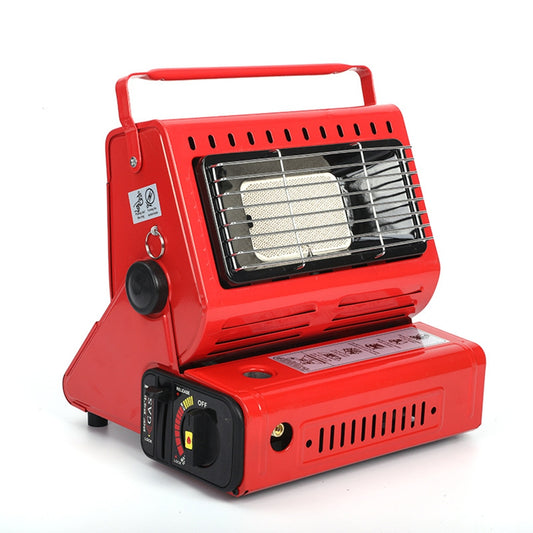
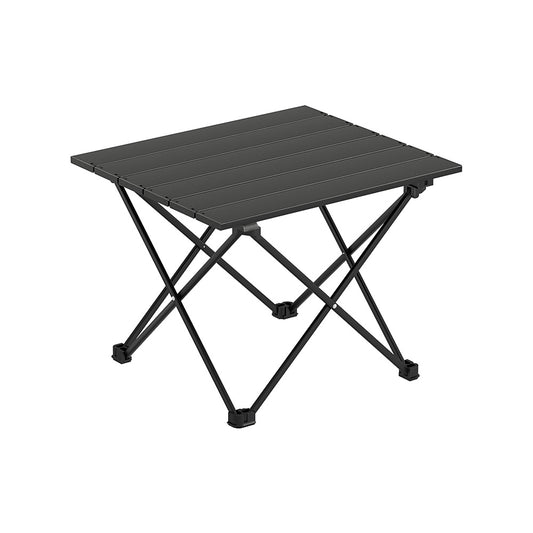
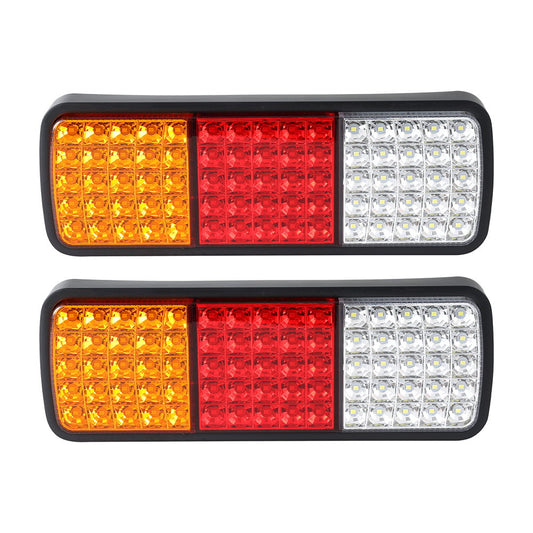
Camp furniture is another good sale buy because these products are practical, used often and easy to compare. The same goes for cooking gear, lanterns, portable fridges, power stations, solar panels and caravan accessories. If you camp regularly, these are not impulse buys. They are part of your core setup.
Smaller accessories can also add up fast. Recovery straps, awning accessories, storage bags, water containers, mobile mounts, Starlink accessories and tech add-ons often make more sense when bundled into a sale order with bigger items. That is where value-focused shopping really pays off.
What to check before you hit add to cart
A sale tag should never be the only reason you buy. Start with the basics - dimensions, weight, materials, compatibility and intended use. A camp table might be heavily reduced, but if it is too bulky for your setup or too low for the chairs you own, it is still the wrong buy.
For tents, swags and shelters, check size claims carefully. A four-person tent can mean four people sleeping shoulder-to-shoulder with no gear inside. For sleeping gear, think about season, insulation and how much comfort matters to you personally. Some people can sleep anywhere. Others need a proper mat and pillow or the trip turns sour quickly.
For power products and accessories, compatibility is non-negotiable. If you are buying solar, batteries, 12v fridges or connectivity gear, make sure the specs suit the way you travel. The cheapest option is not helpful if it does not pair with what you already use.
Reviews matter as well, especially for practical items that take a beating. They give you a better read on real-world use than a polished product name ever will.
Timing matters more than most people think
If you only shop the week before a trip, you usually pay more and settle for what is left. Sale shopping works best when you buy ahead of need. That might mean grabbing winter sleeping gear before the cold kicks in, or picking up shade, water and cooling products before the summer rush.
Seasonal promotions, clearance periods and major retail events can all be good times to buy, but they suit different kinds of shoppers. Clearance can be great for strong value if you are flexible on colours, models or minor feature changes. Peak sale events are better if you have a specific shopping list and want to move quickly.
This is where a broad online range helps. If one item sells out, you still have options across related categories rather than wasting time bouncing between sites.
Buy the essentials first, then add the nice-to-haves
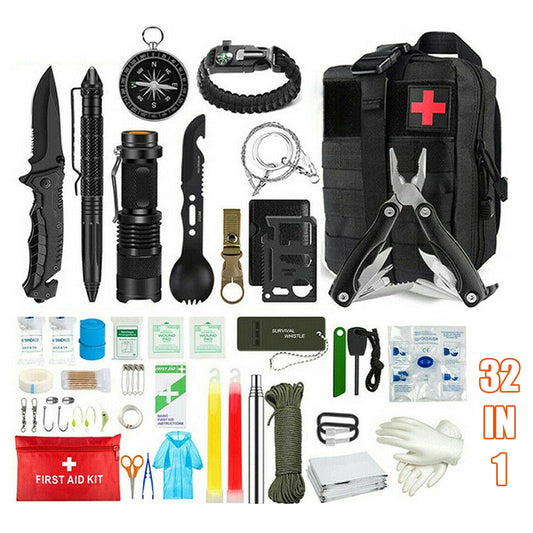
When budgets are tight, the smartest move is to cover the gear that affects safety, sleep and shelter before anything else. That usually means weather protection, bedding, lighting, cooking basics and reliable power where needed. Once those are sorted, comfort upgrades become much easier to justify.
That order matters. A premium enamel mug is not a priority if you still do not have a decent sleeping mat. An extra strip light can wait if your camp stove is unreliable. The good news is that sale pricing often makes it possible to tick off both essentials and upgrades in the one shop, but only if you stay disciplined.
Beginners especially benefit from this approach. Instead of buying twenty cheap accessories at once, build a setup that actually covers your trip. Then improve it over time as you learn what you use.
When bundles and multi-category orders make sense
The best value is not always on a single hero item. Sometimes it comes from buying several practical pieces together. If you are setting up for a family trip, replacing worn-out gear, or adding caravan accessories before a longer holiday, a multi-category order can make better financial sense than chasing isolated deals.
This is also where fast local dispatch matters. Camping purchases are often time-sensitive. A sale is only useful if the gear gets to you in time to be packed, tested and loaded properly. That is a big reason many shoppers prefer an Aussie retailer over a generic marketplace with patchy product details and unpredictable delivery.
For everyday outdoor buyers, convenience counts. Being able to sort shelter, cooking, seating, power and accessories in one place is not just easier - it lowers the odds of missing something important.
Sale gear still needs to suit Australian conditions
Not every discounted product is built for local use. That does not mean you need expedition-grade gear for a family weekender, but it does mean your setup should match the conditions you are likely to face.
Think about airflow in summer, warmth in alpine or inland winter conditions, corrosion resistance near the coast, and storage that can handle dust and rough roads. If you are buying for caravan travel or 4WD touring, practical details matter more than glossy marketing. Strong zips, sensible pack sizes, durable frames and straightforward setup often beat fancy extras.
That no-fuss mindset is exactly why so many campers shop on value first. They want gear that works, not gear that makes big promises from a studio photo.
The smart way to shop without overspending
Set a budget before you browse. It sounds basic, but it stops the classic sale trap of buying five extras and forgetting the one thing you actually needed. Keep a running list of must-haves, likely upgrades and future purchases. That way, when a good deal appears, you can move with confidence instead of guessing.
It also helps to think in cost per trip. If a slightly better chair, stretcher or fridge gets used dozens of times, paying a bit more can still be the smarter buy. On the other hand, occasional-use accessories are a good place to stay budget-conscious.
If you want a practical place to start, Just Camp Australia makes sense for shoppers who want broad range, sharp pricing and gear suited to real Aussie trips without the fuss.
A good sale should leave you more ready to get outdoors, not more cluttered in the garage. Buy for the trips you actually take, choose value over hype, and the right gear will keep earning its place long after the price tag is forgotten.