Gas Heater vs Diesel Heater: Which Suits You?
Cold nights sort camping gear into two groups very quickly - the stuff that earns its spot, and the stuff that stays packed away next trip. When you’re weighing up gas heater vs diesel heater options, the right choice comes down to how you camp, where you travel, and how much convenience you want once the sun drops.
For some campers, a simple gas unit is all they need for the odd winter weekend. For others, especially caravan travellers, 4WD tourers and anyone spending long stretches on the road, a diesel setup makes a lot more sense. Both can keep you warm, but they do it in very different ways.
Important heater safety note: Heating gear can create serious fire, burn, fuel and carbon monoxide risks if it is used incorrectly. Only use a gas or diesel heater in the way the manufacturer specifically allows. Never use an outdoor-only gas heater, stove, cooker, fire pit or BBQ as an indoor heater in a tent, swag, caravan, camper trailer, vehicle, enclosed annex or canopy. Make sure there is suitable ventilation, keep combustibles well clear, use a carbon monoxide alarm where appropriate, and have fixed gas or diesel heater systems installed and checked by a qualified professional.
Gas heater vs diesel heater: the real difference
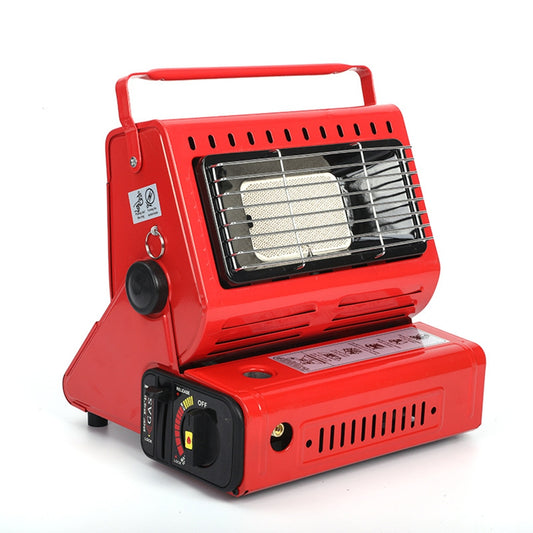
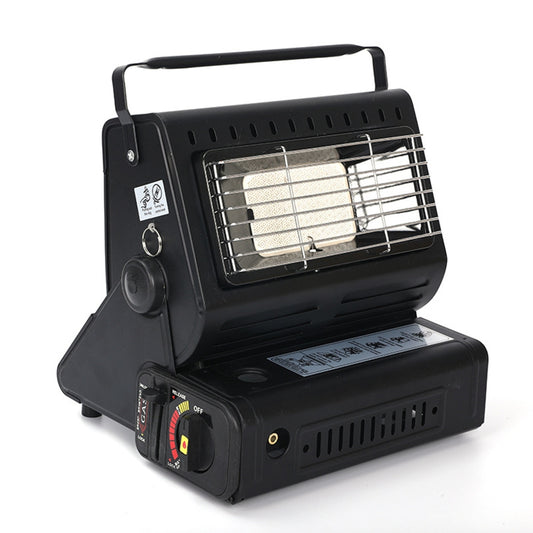
The biggest difference is how the heat is produced and where the heater is meant to be used. Gas heaters are often chosen for portability and quick setup. They’re popular with campers who want a compact heating option that can move around with the rest of their gear.
Diesel heaters are usually more of a fixed solution. They’re a common pick for caravans, camper trailers, canopies and touring setups where comfort matters and the heater will be used regularly. Once installed properly, they deliver steady heat with less day-to-day fuss.
That alone gives you a clue about the best fit. If you want flexibility and a lower upfront barrier, gas often appeals. If you want a more built-in, dependable heating system for repeated trips, diesel tends to pull ahead.
Where you camp matters more than the spec sheet
A lot of buyers compare output, fuel use and price first. Fair enough. But before any of that, think about your actual trips.
If you mostly head away for short weekend camps, fish overnight, or pull up at different spots without wanting a more involved setup, gas can be the practical choice, provided the specific heater is suitable for the space and conditions you plan to use it in. It’s familiar, easy to pack, and suits people who don’t want to commit to installation.
If you travel in colder regions, spend multiple nights in one spot, or tour through winter in a caravan or 4WD setup, diesel starts to look better. It’s particularly handy when you want consistent overnight warmth in a caravan, camper or canopy setup that has been properly designed for that heater.
The question isn’t which heater is better on paper. It’s which one suits the way you actually get outdoors, and which one you can use safely in your actual camping setup.
Heat output and comfort
Gas heaters can throw out solid warmth quickly. That makes them appealing when you want fast heat in the evening or first thing in the morning. In a short-use scenario, that instant warmth is hard to ignore.
Diesel heaters are different. They’re designed more for maintaining comfort over time. Instead of giving you that immediate blast and then tapering off depending on setup and fuel management, a good diesel heater can keep the temperature more stable for longer stretches.
That makes a real difference in caravans, enclosed annex areas that are suitable for the heater being used, and camper builds. If you’ve ever woken up at 3 am in the High Country wishing the warmth would just stay steady, you’ll understand why diesel has a loyal following.
There is a trade-off though. Diesel units usually need installation, power to run fans and controls, suitable exhaust/flue routing, safe fuel storage and a bit more planning. Gas can feel more straightforward for casual users, but it still needs careful setup and ventilation.
Running costs and fuel convenience
Upfront cost and ongoing cost are not the same thing, and this is where plenty of buyers get caught out.
Gas heaters can be cheaper to buy, especially if you’re choosing a portable option. That lower entry cost makes them attractive for occasional campers or anyone building a setup on a budget. But fuel costs depend on how often you use it and how much gas you’re already carrying for cooking and other gear.
Diesel heaters often cost more to get going, particularly if installation is part of the picture. Once they’re set up, though, they can be an efficient option for regular travellers. If your vehicle already runs on diesel, carrying one fuel type can also simplify things.
For touring setups, that matters. Fewer separate fuel considerations can make life easier, especially on longer runs through regional areas.
Still, there’s no universal winner here. A family doing two or three cold-weather weekends each year may never see enough value in diesel to justify the extra spend. A couple doing extended off-grid trips probably will.
Noise, power use and day-to-day livability
This is one of those details people often overlook until they’re lying in bed trying to sleep.
Gas heaters are often valued for their simplicity, but the user experience depends heavily on the style of heater and how it’s being used. Diesel heaters, on the other hand, usually involve a fan and pump. That means some operational noise, plus power draw from your battery setup.
In a well-sorted caravan or 12V touring build, that’s usually manageable. In a basic setup with limited battery capacity, it can be more of a factor. If your power system is already working hard to cover lights, a fridge, charging and accessories, adding a diesel heater needs proper planning.
Noise tolerance also comes down to personal preference. Some travellers barely notice the sound of a diesel heater once it’s running. Others find every click and fan hum annoying. If you’re sensitive to noise, it’s worth factoring into the decision rather than assuming it won’t matter.
Safety and ventilation
Heating and enclosed camping spaces always call for common sense. This is not the area to cut corners.
Gas heaters need careful use, especially around ventilation, clearance, fuel storage and indoor suitability. Not every gas heater is designed for every environment, and that matters a lot in tents, caravans and camper trailers. You need to follow manufacturer guidance closely and make sure the heater matches the intended use.
Carbon monoxide is especially dangerous because you may not see or smell it before it causes harm. Do not sleep with a portable combustion heater running unless the manufacturer explicitly says it is safe for that use and you have the required ventilation and safety equipment in place. If in doubt, do not use it inside.
Diesel heaters are often preferred in permanent or semi-permanent vehicle setups because the combustion side is separated from the heated air when installed correctly. That design can make them a strong option for enclosed travel setups, but only when the unit is installed and operated properly, with exhaust gases safely routed outside and away from doors, windows and vents.
Whichever way you go, safety comes before convenience. Read the instructions, use the heater only as intended, keep flammable items clear, check hoses and fittings, and don’t improvise because the temperature’s dropped and you want a quick fix.
Installation versus portability
This is often the make-or-break point in the gas heater vs diesel heater decision.
Gas is usually the easier path if you want something portable. You can pack it, move it, store it, and use it across different trip styles. That suits plenty of campers who aren’t travelling every week and don’t want to dedicate space in a vehicle or van to a permanent heater.
Diesel heaters ask more of you upfront. They generally suit buyers who are happy to invest in a setup and want heating to become part of the vehicle or caravan itself. Once that’s done, the payoff is convenience on the road. Press a button, warm the space, keep moving.
Because diesel heater installation involves power, fuel, exhaust routing and mounting, it is worth getting professional advice before cutting into a caravan, canopy or vehicle. A poor installation can turn a good heater into a serious risk.
If you’re the sort of camper who likes gear that works straight out of the box, gas may feel more appealing. If you like building a better touring rig over time, diesel will likely seem worth it.
Which heater suits which camper?
For the occasional camper, weekend fisho or family wanting an affordable way to add warmth on selected trips, gas often makes sense. It’s generally easier to start with, simpler to store, and suits less frequent use, as long as the heater is suitable for the space and used exactly as instructed.
For caravan travellers, regular winter campers, 4WD tourers and anyone chasing a more comfortable long-term setup, diesel is often the smarter buy. It suits repeated use, integrates well into a touring build, and delivers the kind of steady heat that makes cold-weather travel far more enjoyable when installed correctly.
Beginners should also think honestly about commitment. If you’re still figuring out your camping style, going simple can be the right call. If you already know you’ll be doing plenty of kilometres through cold parts of Australia, buying for the long haul can save upgrading later.
Final safety check before you choose
Before buying either style, check the manufacturer’s instructions for where the heater can be used, what ventilation it needs, whether it is suitable for sleeping areas, and what clearances it requires from bedding, walls, canvas, clothing and other gear. For fixed systems, confirm the installation requirements before you buy, not after the box arrives.
A heater is not a substitute for warm bedding, layered clothing and a properly set-up campsite. Good winter gear reduces how hard the heater has to work and gives you a safer backup if conditions change or the heater cannot be used.
The best choice is the one you’ll actually use safely
A heater that looks brilliant in a product description but doesn’t suit your trip style won’t feel like good value for long. Practical buyers usually do best by keeping the choice simple.
If you want portable, lower-cost and occasional-use warmth, gas is hard to ignore. If you want built-in comfort, better long-trip convenience and a more settled touring setup, diesel is usually the stronger option. The right answer is the one that matches your campsite, your vehicle or caravan, and the safety requirements of the heater itself.
Cold-weather camping can be one of the best ways to get away - quieter sites, crisp mornings, less crowd. Pick the heater that matches your setup, and those freezing nights start feeling a whole lot more inviting.