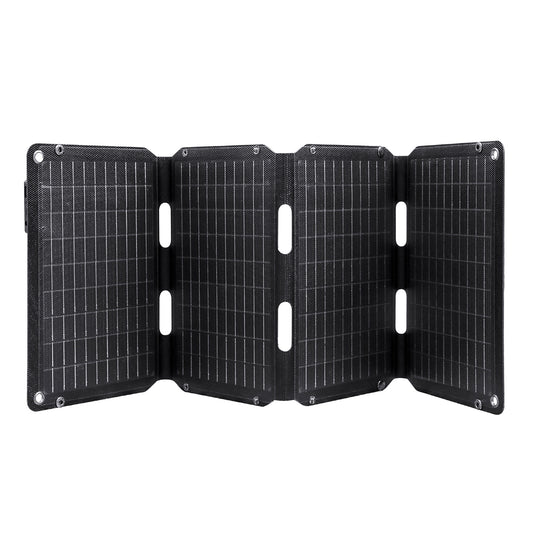
Portable Solar Panel Camping for Aussie Trips
You notice power matters most when it disappears. The camp fridge starts warming up, the mobile battery drops into the red, and the lights you packed for a quick overnight stop suddenly feel like a luxury. That is where portable solar panel camping earns its place - not as fancy gear, but as one of the simplest ways to keep your setup running longer in Aussie conditions.
For plenty of campers, solar used to feel like overkill. These days it is just practical. Whether you are heading away in the 4WD, setting up beside the coast, taking the caravan inland or doing a family weekend at a powered site with a backup plan, portable panels give you flexibility that fixed systems do not always match. You can park in the shade, chase the sun with the panel, and keep your battery topped up without dragging out the generator.
Just Camp power safety note: Solar output varies heavily with weather, shade, season, panel angle and the gear you are charging. Always match your solar panel, regulator/controller, battery chemistry and connectors to the manufacturer instructions. Do not attempt DIY 240V electrical work, and get advice from a qualified auto electrician or caravan electrician if you are installing or modifying a vehicle, caravan or camper power system.
Why portable solar panel camping makes sense
The biggest win is freedom. A portable panel lets you make use of sunny conditions without changing how you camp. If the best spot has tree cover over the tent or the van, you can still put the panel out in the open and run it back to your battery setup. That alone makes portable gear a smart buy for a lot of Australian trips.
It also keeps costs and complexity under control. A full fixed solar system can be brilliant, but it is not the right fit for everyone. If you are just getting started, or you use different vehicles and setups throughout the year, a portable panel is often the easier option. You can move it between the ute, the camper trailer, the boat and the caravan instead of locking it into one rig.
The trade-off is convenience. Fixed panels are always there, always charging when the sun is up. Portable panels need to be set out, angled and packed away. For some campers that is no hassle at all. For others, especially on quick overnight stops, that extra job can be the difference.
What size panel do you actually need?
This is where plenty of buyers either overspend or come up short. The right size depends less on your vehicle and more on what you are trying to power.
If you only want to keep mobiles, lights and a few small devices charged, a smaller folding panel can do the job nicely when matched with the right battery or power station. If you are running a camp fridge, charging camera gear, topping up tablets for the kids and using lights each night, you will generally want more capacity. The longer the trip and the less you plan to drive, the more important panel size becomes.
A good rule is to think in daily use, not just battery size. A battery stores power, but your panel has to put enough back in. A fridge cycling all day in warm weather uses far more than a mobile charger. Add cloudy conditions, short winter days or a poor panel angle and your charging can drop off fast.
For many campers, the sweet spot sits in the middle - enough wattage to support the essentials without lugging around a panel that feels oversized for every trip. If you mainly do weekenders, your needs are different from someone parked up for five days at a remote fishing spot. Our portable solar setup guide walks through matching the panel, battery and charging gear as a complete system.
Bigger is not always better
Large panels can bring more charging potential, but they also take up room and add weight. That matters when your boot is already loaded with swags, chairs, recovery gear and food. Folding panels help with storage, though you still need space to carry them safely.
There is also the question of setup time. A bigger panel can take a bit more effort to move with the sun and secure in windy conditions. If you value quick pack-downs and simple camp routines, a modest but dependable setup can be the better choice.
Choosing a portable solar panel for camping
Not all panels suit the same style of trip. The best one for your setup depends on how you travel, what gear you run and how often you head off-grid.
Build quality matters in Australia more than the spec sheet alone suggests. Heat, dust, glare, salt air and rough roads all test camping gear properly. You want a panel that feels ready for real travel, not something that only works neatly in the backyard. Durable hinges, a sturdy frame or case, reliable connectors and a controller that suits your battery type all matter.
Portability is just as important as output. If a panel is awkward to carry or slow to set up, there is a fair chance it gets left in the vehicle. A folding design with a practical carry handle often suits campers who move around regularly, while a larger kickstand style may work well for longer stays.
Cable length is one of those details people forget until camp is set up. If your battery sits under a canopy, inside the van or in a power station tucked under cover, enough cable gives you more options for panel placement. Short cables can leave you parking your whole setup in the sun when you would rather keep it shaded.
Getting the setup right in camp
Portable solar works best when you give it a bit of attention. You do not need to fuss over it every 20 minutes, but placement makes a real difference.
Face the panel toward direct sun and avoid partial shade where you can. Even a branch shadow across part of the panel can reduce output more than people expect. Through the day, adjust the angle if you are staying put. Morning and late afternoon sun can still help, but midday is usually when you get your best charging.
Keep the panel clean enough to work properly. Dust, salt spray and grime all cut efficiency. You do not need to polish it like the bonnet of a show car, but a quick wipe when needed helps. Secure it as well. A breezy afternoon can turn a lightweight panel into a nuisance if it is not anchored or positioned properly.
Match it to the right battery system
A good panel still needs the rest of the setup to make sense. Most campers using portable solar are charging a secondary battery or a portable power station. The panel, regulator and battery need to suit each other. If they do not, charging can be slow, inconsistent or not happen at all.
Battery chemistry matters here. AGM and lithium batteries have different charging requirements, and your controller needs to support the one you are using. If you are buying fresh, it often pays to think of the whole setup rather than treating the panel as a standalone item. Our Lithium vs AGM guide can help with that choice, while the camping battery box guide covers a practical way to house and connect a portable setup. Follow the instructions for your battery, charger, controller and power station, especially around connection order, charging profiles and safe operating conditions.
Common mistakes campers make
One of the biggest mistakes is expecting solar to cover everything without doing the maths. If your fridge is working hard in 35-degree heat, the kids are charging devices, and you are running lights well into the evening, your daily usage might be much higher than you think. Solar helps, but it is not magic.
Another common issue is poor panel placement. Campers sometimes set the panel down wherever it fits, then wonder why the battery barely moves. Shade, flat angles and dirty surfaces all reduce performance. So does forgetting to reposition the panel when the sun shifts.
The other trap is buying too cheap and replacing it later. Value matters, absolutely, but there is a difference between good value and false economy. Reliable camping gear earns its keep when you are remote, tired and depending on it. That is why plenty of Australians look for practical gear that balances price, durability and real use, not just a flashy headline wattage.
Is portable solar right for every camper?
Not always. If you stay mostly in powered caravan parks, do short trips and rarely run more than a light and a mobile charger, you may not need much at all. Likewise, if your vehicle already has a strong fixed charging system and rooftop solar, a separate portable panel could be more of a backup than a must-have.
But for campers who like flexibility, it is hard to beat. Portable solar suits mixed travel styles, works across different setups and makes off-grid camping far more comfortable. It is especially handy for families, fishers, caravan travellers and weekend adventurers who want dependable power without overcomplicating the whole trip.
For buyers wanting practical options without the premium-store fuss, this is the sort of gear that earns attention for a reason. Just Camp Australia focuses on great value outdoor gear that suits real local conditions, and portable solar fits neatly into that no-nonsense approach.
A good camping setup should make your trip easier, not give you another problem to manage. If your power needs are growing and you want more freedom to camp where you actually want to camp, portable solar is one of the smartest upgrades you can make. Choose the right size, set it up properly, and it will quietly do one of the best jobs in camp - keeping everything else running while you get on with the good part.