4WD Recovery Kit Checklist for Aussie Trips
That boggy patch always looks shorter from the driver’s seat. Then the tyres dig, the chassis settles, and suddenly your weekend depends on the gear you packed before you left home. A solid 4wd recovery kit checklist is not about packing for the worst case just for the sake of it. It is about giving yourself a realistic way out when tracks, sand, mud or a bad line choice put your vehicle off plan.
For most Aussie drivers, recovery gear needs to do two jobs well. It needs to cover common situations you are actually likely to face, and it needs to be simple enough to use properly under pressure. That means avoiding the temptation to buy random bits and pieces that look tough online, while missing the essentials that make recovery safer and easier.
Just Camp recovery safety note: Vehicle recovery can be dangerous if the wrong gear or connection points are used. Use correctly rated recovery points and recovery gear, keep bystanders well clear, never recover from a tow ball or unknown tie-down point, and stop if anything looks damaged, overloaded or uncertain. If you are new to 4WD recovery, get proper training or advice before relying on straps, winches or recovery boards in the field.
What belongs on a 4WD recovery kit checklist
The right kit depends on where you travel. A beach setup is not exactly the same as a high-country touring loadout, and a solo ute has different needs to a convoy of well-equipped wagons. Still, a practical base kit stays much the same.
Start with recovery tracks. They are one of the most useful items you can carry because they work in sand, mud and soft ground without adding much complexity. They can help you drive out under your own power, which is usually the cleanest recovery option.
A long-handled shovel earns its place every time. Digging sand or mud away from tyres, diffs and underbody components can reduce resistance enough to get moving again. It is simple gear, but it often does more than people expect.
A tyre deflator and an air compressor should be treated as a pair. Lowering tyre pressures can transform traction on sand and rough tracks, while the compressor gets you back to safe road pressures afterwards. Plenty of vehicles get stuck because pressures stayed too high, not because they lacked expensive hardware.
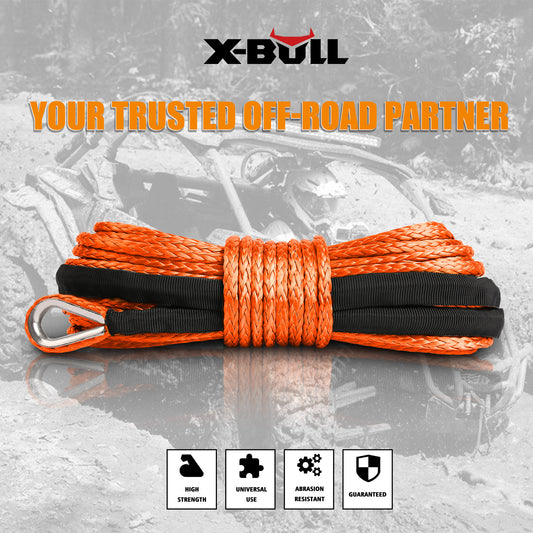
A rated snatch strap or kinetic recovery rope can be useful, but only when both vehicles have suitable rated recovery points and the people involved know what they are doing. This is where buying the right gear matters more than buying the most gear. A strap without proper connection points is not a solution.
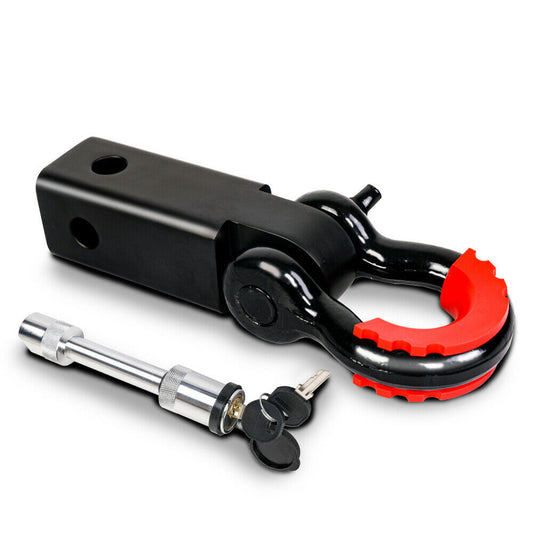
You should also carry rated bow shackles or soft shackles if they suit your setup, a pair of gloves, and a dampener for strap-based recoveries. Add a recovery hitch receiver if your vehicle setup requires one. The key point is compatibility. Every piece needs to work with the rest of your kit and with your vehicle.
The gear many people forget
A good 4wd recovery kit checklist is not only about the dramatic stuff. The supporting gear is what makes a rough recovery more manageable and less risky.
A tyre pressure gauge helps you make sensible decisions instead of guessing. A torch or headlamp matters if a delay pushes recovery into late afternoon or after dark. A ground mat can save your knees and keep tools out of the mud. A snatch block, winch extension strap and tree trunk protector are worth considering if you already run a winch, but there is no point adding them if you do not have the main system to support them.
Communication matters too. If you travel beyond mobile coverage, a UHF radio or other suitable communication device can be just as important as anything in the recovery bag. Getting unstuck is one thing. Calling for help when recovery is not safe is another.
First aid gear belongs in the same conversation. Recoveries are physical, messy and often rushed. Cuts, strains and pinched fingers happen more easily than most people expect.
Match your kit to the kind of trip
Weekend beach runs, touring holidays and harder off-road tracks all place different demands on your setup. That is why there is no single perfect recovery bag for everyone.
If you mostly drive on sand, focus heavily on tyre management, recovery tracks, a decent shovel and gear that helps with self-recovery. Sand recoveries are often won by lowering pressures properly, clearing around the tyres and using traction aids well. You may not need a bigger, more complex setup unless you regularly travel remote or tackle tougher terrain.
If you head into muddy forestry tracks or steep country, stronger attention should go to rated connection gear, vehicle recovery points and, if fitted, winch support accessories. Mud creates suction and extra load, so gear quality matters. Cheap unknown-rated items are not where you save money.
For longer touring trips, think about redundancy and durability. A compact kit for a day trip might be fine close to home, but remote travel calls for more preparation, more water, better communications and a broader approach to problem-solving. Recovery is not only about extraction. It is also about staying safe and self-sufficient while you sort it out.
What to check before you buy
A lot of people build a recovery kit backwards. They buy a strap first because it feels like the obvious starting point, then work out later that their vehicle does not have rated points front and rear. That is a poor place to start.
Before adding anything to your cart, check your vehicle’s recovery points, towing setup and GVM realities. Rated tow balls are not recovery points. Factory tie-down points are not automatically suitable either. If you are not certain, get proper advice for your vehicle.
Also check lengths, load ratings and storage practicality. Oversized gear that never fits properly in your boot or canopy often gets left at home, which defeats the purpose. The best kit is the one that suits your vehicle, your tracks and the space you actually have.
This is also where value matters. You do not need to overspend on specialist gear for extreme use if your driving is mostly beach camping and family touring. But you do need dependable equipment with clear ratings and solid construction. There is a big difference between affordable and flimsy.
Safe recovery is more important than fast recovery
When a vehicle is stuck, people want action straight away. That is when poor decisions happen. A rushed snatch recovery can create more danger than the original bogging.
The safer approach is slower. Assess the terrain, clear the area, reduce tyre pressures if needed, dig first, and attempt the lowest-risk option before escalating. Self-recovery with tracks is often the smarter play. If that does not work, reassess rather than forcing the issue.
If straps are involved, bystanders should be well clear, gear should be correctly rated, and connection points should be confirmed before anything moves. If there is any doubt, stop. No camping trip is worth turning a bad situation into a serious one.
How to pack and store your recovery gear
A recovery kit only helps if it is easy to reach and still in good nick when you need it. Throwing muddy straps, shackles and compressors loose in the back is a quick way to shorten gear life and make a mess of your setup.
Use a dedicated bag or storage box and keep similar items together. Wet or dirty gear should be cleaned and dried after each trip before it goes back into storage. Sand and grit wear things out faster than many people realise.
It also pays to pack by priority. Put your tyre deflator, gauge, gloves and shovel where you can grab them quickly. If your first step in a beach recovery is emptying half the cargo area, your setup needs work.
A practical checklist before you leave
Before any trip, run through the basics. Make sure your recovery tracks are in the vehicle, your shovel is packed, your compressor works, and your tyre gear is complete. Check straps and shackles for wear, damage or corrosion. Confirm your recovery points are accessible and not blocked by luggage or accessories.
If you are travelling with others, make sure everyone knows what gear is available and who is comfortable using it. If you are going solo, lean even harder into self-recovery gear and conservative driving choices. The smartest recovery is often avoiding the situation altogether.
For plenty of Aussie campers and 4WD owners, that balance is the sweet spot - practical gear, fair prices and equipment that suits real trips rather than fantasy expeditions. That is why a well-planned kit from a dependable outdoor retailer makes more sense than chasing flashy extras you may never use.
Pack for the tracks you actually drive, learn how your gear works before the trip, and give yourself options when the ground turns soft.