Portable Heater vs Campfire: Which Wins?
Cold hits differently at camp. The sun drops, the swag cools quickly and suddenly the question is not what is for dinner - it is whether a portable heater or campfire is the better way to stay comfortable.
A campfire brings outdoor radiant heat, cooking options and the classic social side of camping. An approved heating system can provide more predictable warmth in a caravan, camper or other setup designed for it. They are not interchangeable, and safety rules should decide the options before convenience does.
Portable heater vs campfire for real Australian camping
The first question is what is legally allowed and what the appliance is approved to do. Campfire restrictions change by state, park, season and daily fire-danger conditions. Some sites permit fires only in established pits, while others ban them completely.
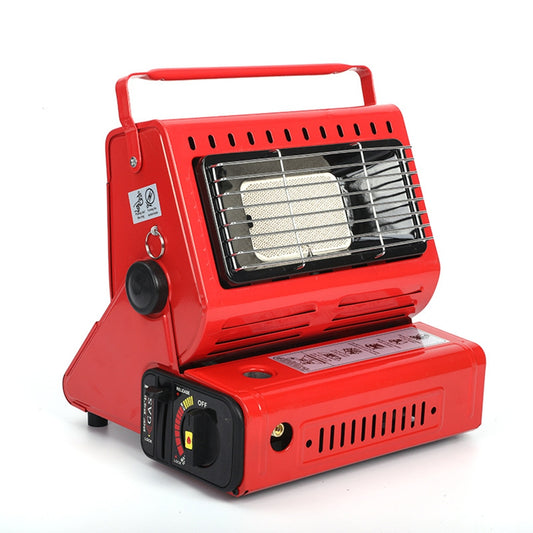
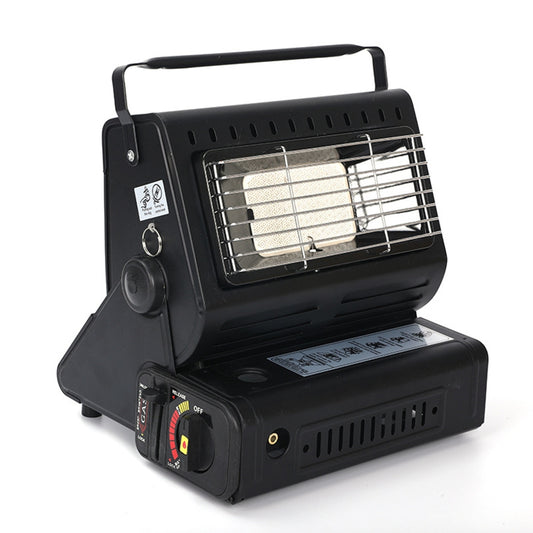
Portable fuel-burning heaters also have strict limits. Outdoor gas heaters must never be used inside tents, vehicles or enclosed annexes. They can produce carbon monoxide, an invisible and potentially fatal gas, as well as creating fire and burn risks. Opening a window or tent flap does not make an outdoor heater safe indoors.
A diesel or gas heating system used for an enclosed caravan or camper must be specifically designed and installed for that purpose, with combustion air and exhaust managed outside the occupied space. Follow the manufacturer’s instructions and use appropriately qualified installers.
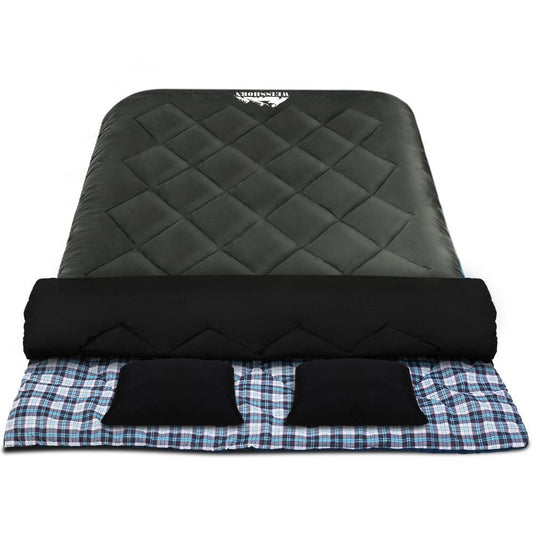
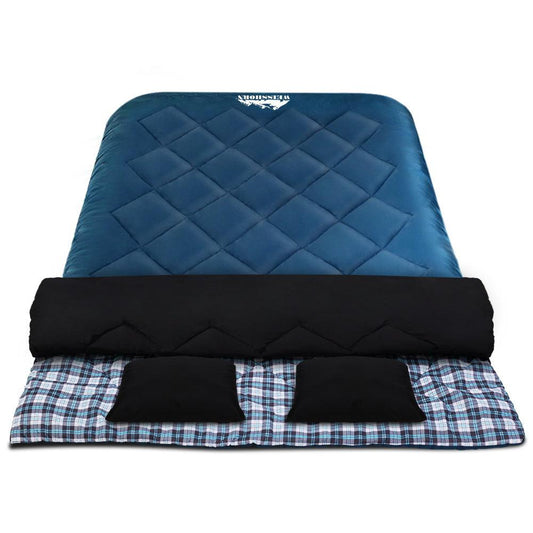
For tent campers, the safest cold-weather plan starts with an insulated mat, sleeping bag suited to the forecast, dry layers, wind protection and a warm meal. Do not treat a portable fuel-burning heater as a shortcut for inadequate sleeping gear.
How the warmth feels
A campfire provides radiant warmth outdoors and naturally becomes a gathering point. It can work well for groups sitting in a clear area on a still evening. The warmth is uneven, however. One side can feel hot while the other remains cold, and wind can carry heat and smoke away from the group.
An approved installed heater produces more controlled warmth in the space it was designed to serve. That can be useful for caravan travellers, camper owners and touring families who want predictable cold-weather comfort without tending a fire. It is not the same as placing an outdoor radiant heater under a tent or zipped annex.
When a properly installed heater makes more sense
An approved heating system suits travellers who regularly camp in cold conditions and use a caravan or camper designed to accommodate it. It can help during late arrivals, early mornings and trips where open fires are restricted.
Convenience is the main benefit. There is no need to collect or transport firewood, wait for coals to form or remain outside to supervise an open flame. The trade-off is upfront equipment cost, fuel or electrical demand, maintenance and the need for correct installation and ventilation.
When a campfire still wins
Where fires are permitted and conditions are suitable, a campfire offers outdoor warmth, atmosphere and cooking in one place. It suits slower bush camps, group evenings and anyone who enjoys cooking over coals.
A fire also requires more work and responsibility. Use an established fire pit where required, maintain clear space, keep water available, supervise children and pets, and fully extinguish the fire before leaving or sleeping. Never light a fire during a total fire ban, and do not assume a provided fire pit means fires are currently allowed.
Safety is not a small difference
Campfires create risks from flame, sparks, hot coals, smoke and changing wind. Fuel-burning heaters create risks from carbon monoxide, fuel leaks, hot surfaces and nearby combustible materials. Neither should be treated casually.
Keep heaters and fires well clear of tents, bedding, chairs, clothing, tarps and other flammable gear. Never leave either operating unattended. Follow appliance clearances and campsite rules rather than relying on what looked safe on a previous trip.
Carbon monoxide alarms are an important additional safeguard in caravans or campers with installed fuel-burning appliances, but an alarm does not replace correct installation, servicing and ventilation.
Fire restrictions may decide for you
Check the relevant state fire authority, park information and campground rules immediately before the trip and again on the day. Restrictions can change quickly with weather and fire danger.
A heating system approved for the caravan or camper can make cold-weather planning more predictable, but it still needs to be operated exactly as designed. Campground rules may also restrict generator use, fuel storage or particular appliances.
Cost, fuel and effort
A campfire may appear inexpensive, but approved firewood can cost money and takes up vehicle space. Collecting timber may be prohibited, and wet or unsuitable wood performs poorly.
An installed heater has an upfront cost plus fuel, electrical use and maintenance. In return, it can provide predictable warmth without managing an open fire. Compare the total setup and how often it will be used rather than choosing only by purchase price.
Cooking changes the comparison
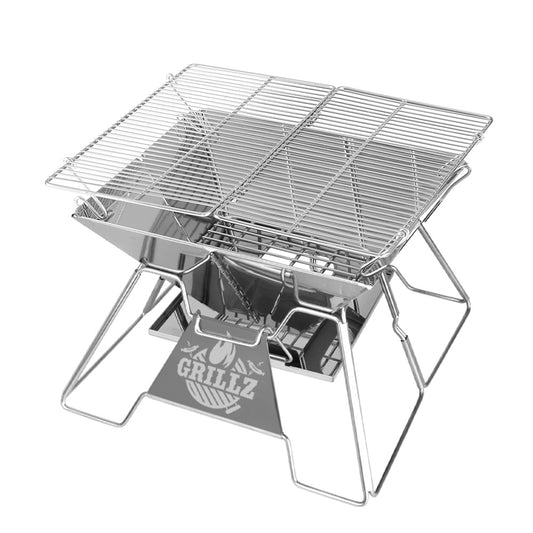
A permitted campfire can grill, boil and support camp-oven cooking once suitable coals are established. A heater is not cooking equipment and should never be used as one.
Some campers use both on suitable trips: an approved installed heater for the caravan or camper, and a permitted fire outdoors for cooking and social time. Each still needs to follow its own safety rules.
Which option suits different trips?
Tent camping: Prioritise sleep insulation, warm clothing and wind protection. Use campfires only where permitted and do not operate outdoor fuel-burning heaters inside the tent.
Caravan or camper touring: A correctly installed heating system designed for the space can provide convenient warmth. Keep it serviced and follow all operating instructions.
Family campgrounds: Rules, smoke impacts and child safety may make fires impractical. Warm bedding and approved installed heating are usually easier to manage than an open flame.
Remote bush camps: A permitted fire can add cooking and social value, but fire danger, fuel availability and extinguishing responsibilities still come first.
So which one should you pack?
Choose based on the campsite rules, the shelter you use and how the heating equipment is approved to operate. A campfire is an outdoor heat and cooking source that depends on conditions and permission. A properly installed heater is a controlled system for a caravan or camper designed to use it.
For most cold camping trips, warmth should begin with the sleep system rather than the heater. Get the mat, sleeping bag, layers and shelter right first, then add an appropriate heat source only where it can be used safely and legally.