Portable Camping Heater Buying Guide
Cold hits differently when you're standing around camp after sunset, your hands are stiff, and the swag still feels like a fridge. A portable camping heater can turn that kind of trip around fast - but only if you pick the right type for the way you camp.
For Aussie campers, there is no single best option. A heater that works a treat in a big caravan annexe might be a poor fit for a compact tent, and something perfect for a quick weekend away may not suit a longer off-grid run. The smart buy comes down to where you camp, how much room you need to warm, what fuel you already carry, and how much convenience matters to you.
What matters most in a portable camping heater
The first thing most people look at is heat output, and fair enough. If you're camping through winter in the High Country or inland where the temperature drops hard overnight, you want enough warmth to notice a real difference. But more heat is not always better. In a small enclosed space, too much output can make things uncomfortable, chew through fuel faster, and limit where you can safely use the unit.
Portability matters just as much. A portable camping heater should be easy to pack, easy to move, and simple to set up when you're already tired from the drive. Weight, shape, carry handles and bottle size all make a difference once it is in the back of the 4WD, tucked into a caravan boot, or squeezed between tubs in the trailer.
Then there is fuel. Some campers like butane gas because it is familiar, widely available, and easy to run alongside other camp gear. Others prefer diesel heaters for longer stays and stronger output. The best option often depends on what you are already using at camp. If your setup already includes compatible gas canisters for cooking, keeping fuel types simple can make life easier.
Gas or diesel - which portable camping heater suits you?
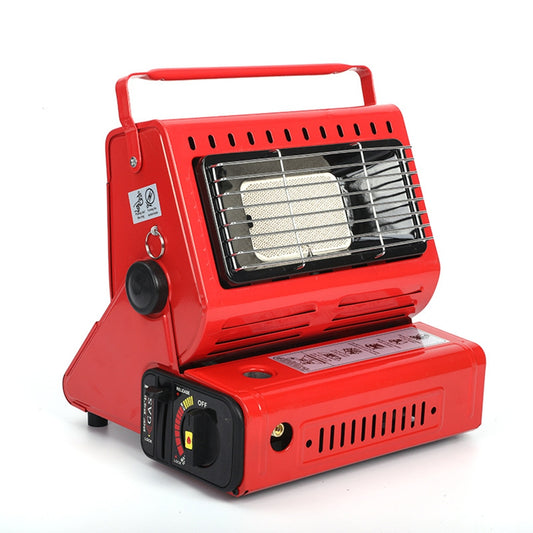
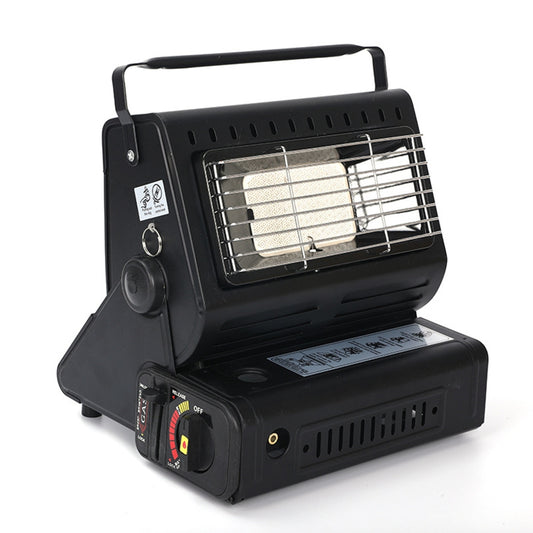
For many casual campers, portable gas heaters are the easiest entry point. Butane models are generally straightforward to operate, quick to get going, and suitable for short trips where convenience matters most. They appeal to families, weekend campers and anyone building out a practical setup without overcomplicating things.
The trade-off is that fuel-burning gas heaters need careful use. Ventilation is a must, and not every model is suitable for every shelter or sleeping arrangement. They are often best for warming a living area, annexe or open camp zone rather than trying to heat a tightly closed sleeping space.
Diesel heaters are popular with caravan travellers, serious road trippers and campers doing longer runs in colder regions. They can deliver steady heat for extended periods and are a strong option when comfort is a priority. If you've ever stepped into a warm caravan on a freezing morning, you already know why they have a loyal following.
That said, diesel setups can be more involved. They usually take more planning around installation or configuration, they are not always as grab-and-go as simple gas units, and the upfront spend is often higher. For some buyers, that is worth it. For others, especially occasional campers, a smaller and more affordable heater makes better sense. For a side-by-side look at the trade-offs, see our gas vs diesel heater guide.
Sizing your heater to your campsite setup
One of the easiest mistakes is buying based on the idea that bigger must be better. In reality, the right size depends on the space you are trying to warm and how exposed that space is to wind and cold.
A compact tent used for sleeping only needs a different approach from a large family tent with standing room and plenty of air space. Caravan annexes, camper trailer setups and enclosed awnings all behave differently as well. The more volume there is to heat, the more output you will usually need - but only if the space can actually hold warmth.
If your setup is drafty, mesh-heavy, or constantly being opened and closed, even a stronger heater will work harder. In those cases, reducing heat loss can matter as much as the heater itself. Better mats, warmer sleeping gear, wind breaks and sensible shelter placement can all lift comfort without chasing maximum heater size.
Safety is not the boring part
When people shop for a portable camping heater, price and output get attention first. Safety should be right up there with them. A cheap heater is not a bargain if it is wrong for your camping style or used in a way that creates risk.
Look for practical safety features such as tip-over protection, flame failure shut-off, stable bases and clear operating instructions. Those features are not just nice extras. They help reduce the chance of trouble in busy campsites where kids, pets, chairs and gear are all moving around the same area.
Ventilation is the non-negotiable. Fuel-burning heaters need airflow. That means understanding exactly where and how your chosen heater can be used, rather than assuming all portable models work the same way. A lot of camping problems come from treating gear like it is more flexible than it really is.
Placement matters too. Keep heaters well clear of sleeping bags, camp chairs, clothing, vinyl walls and anything else that can shift or sag near the heat source. Flat ground, stable positioning and a bit of common sense go a long way.
Features worth paying for
Not every extra feature is worth the spend, but a few can make a real difference on actual trips. Simple ignition is one of them. If a heater is easy to start in cold conditions, that matters when you are setting up at dusk with numb fingers and low patience.
Low and high heat settings are also useful. They give you more control over comfort and fuel use, especially when conditions change across the night or from one destination to the next. A heater with only one strong setting can feel wasteful in milder weather.
A decent runtime is another feature that quickly proves its value. Constantly swapping bottles or refuelling gets old fast. For longer camps, efficient fuel use can be just as important as raw output.
Noise can be overlooked too. Some heaters are barely noticeable, while others are less relaxing when you're trying to wind down after dinner. If quiet camp comfort matters to you, this is worth checking before you buy.
The cheapest option is not always the best value
A lot of buyers are trying to strike the same balance - enough warmth, no nonsense, and a price that does not blow the trip budget. That is fair. But value is not just about the sticker price.
A well-matched heater that lasts across multiple seasons, uses fuel sensibly and suits your regular camping style will usually work out better than a bargain unit that feels awkward, underpowered or unreliable. The right product saves hassle as much as it saves money.
This is where buying from an Aussie retailer with gear chosen for local conditions can make the process easier. Just Camp Australia speaks to practical buyers for a reason. Most campers are not chasing expedition-grade complexity. They want gear that turns up fast, works properly, and helps make the weekend more comfortable.
Who should buy what?
If you're a casual camper doing the odd autumn or winter trip, a straightforward portable butane gas heater is often the most sensible place to start. It is accessible, easy to understand and suits buyers who want comfort without turning camp setup into a project.
If you travel often, spend time in genuinely cold regions, or run a caravan or more enclosed setup for longer stays, a diesel heater may be the better long-term investment. It asks more of you upfront, but it can repay that with stronger, more consistent comfort.
If you're camping mostly on the coast in milder weather, you may not need a big heater at all. In that case, a smaller unit paired with better bedding and smarter shelter setup might be the better spend. Our winter camping essentials guide covers the rest of the cold-weather setup.
Before you buy a portable camping heater
Think about your next three trips, not just your next one. Are you usually doing quick overnighters, family weekends, caravan park stays or longer remote runs? Do you already carry compatible gas canisters? Are you trying to warm a social space, a sleeping area, or both at different times?
The more honestly you answer those questions, the easier it is to sort the genuinely useful options from the ones that only look good on a spec sheet. A portable camping heater should fit your setup, your budget and the way you actually travel - not some ideal version of camping that never happens.
A cold campsite does not have to be part of the deal. Get the heater right, and those frosty starts and chilly evenings feel a lot more like the trip you had in mind.