Awning Tent vs Gazebo: Which Suits You?
You feel the difference fast when camp goes from pleasant to punishing. The sun shifts, the wind picks up, someone needs shade now, and suddenly the awning tent vs gazebo question is not just about gear - it is about how easy your trip will be once you pull up.
For plenty of Aussie campers, both options look useful on paper. Both give you cover. Both can make a campsite more liveable. But they solve different problems, and choosing the wrong one can leave you with dead space, extra setup time or a shelter that does not suit the way you actually travel.
Awning tent vs gazebo: the real difference
An awning tent is built to work with your vehicle awning. It usually attaches to the awning frame and creates an enclosed or semi-enclosed room beside your 4WD, caravan or touring setup. Think of it as an add-on that turns your awning into a more protected living area.
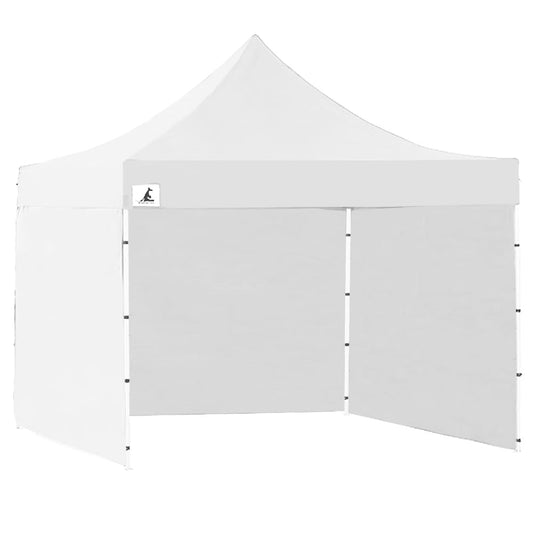
A gazebo is a freestanding shelter. It stands on its own legs, usually folds out quickly, and gives you overhead cover without relying on your vehicle. Some models can be paired with walls, but the main appeal is simple - fast shade, flexible placement and easy use for day trips, markets, sport or casual camping.
That difference matters. If your setup revolves around your vehicle and you want a more integrated camp, an awning tent often makes more sense. If you want quick, versatile shelter that can go anywhere, a gazebo usually wins.
When an awning tent makes more sense
Awning tents suit travellers who stay put for more than a quick stop. If you are heading away for a few nights, setting up a base camp, or touring with the family and want a bit more privacy and weather protection, they can be a smart addition.
The big advantage is enclosure. An awning on its own gives shade, but an awning tent can give walls, bug protection and a more secure area for sleeping, changing or storing gear. That can make a big difference in coastal wind, light rain or camps where the mozzies come out hard at dusk.
They are also handy if you like a tidy camp layout. Because the shelter connects to your vehicle, everything feels more organised. You are not walking back and forth between separate structures, and the covered area can act like an extension of your touring rig.
That said, an awning tent is not the best fit for every trip. Setup is usually slower than a gazebo, especially if walls, zips and guy ropes are involved. Pack-down can be annoying if the weather turns or you are moving every day. They also depend on having a compatible awning and enough room beside the vehicle.
If you are the type who rolls into camp late, wants shelter up in minutes and is gone again in the morning, an awning tent can feel like more effort than it is worth.
Where a gazebo comes into its own
A gazebo is all about convenience. Pop it up, peg it down, and you have broad overhead cover for camp chairs, a table, the kids, or a quick cooking area. For beach days, fishing trips, backyard gatherings and simple overnighters, that ease is hard to beat.
It is also more flexible because it does not need to attach to the vehicle. You can place it where the shade is best, where the ground is flatter, or where it works better for the rest of the campsite. That freedom is useful in crowded holiday parks, uneven bush camps or group setups where one central shelter works better than a vehicle-based one.
For families, gazebos often make a lot of sense. They create an open shared area with plenty of airflow, and they are easy to use for more than just camping. If you want one bit of gear that earns its keep at the campsite, park, markets and sport, a gazebo gives you more versatility.
The trade-off is weather protection. Basic gazebos are great for shade, but they are not as enclosed or secure as an awning tent. In strong wind, they need proper pegging and weight. In sideways rain, they can feel pretty exposed unless you add walls. They are also another standalone item to pack, transport and store.
Setup time, pack size and effort
This is where buying the right shelter saves frustration.
If quick setup is your top priority, gazebos usually come out in front. Most are made for fast deployment and simple pack-down. That suits spontaneous trips, frequent stops and anyone who does not want to spend half the afternoon sorting poles and zips.
Awning tents tend to ask more from you. Even if the awning itself is already mounted to the vehicle, turning it into a tented space takes extra steps. On a longer trip that effort can be worth it, because you get a more useful living area. On short trips, it can feel like overkill.
Pack size matters too. A gazebo is its own unit and can be bulky in the boot or on the trailer. An awning tent may pack smaller than a full gazebo depending on the design, but only if you already have the awning mounted and ready to go. If you are starting from scratch, the total setup can become more involved and more expensive.
How they handle Australian conditions
Australian camping gear has to do more than look good online. It needs to cope with heat, glare, wind changes and the occasional patchy weather that rolls through without warning.
For pure sun protection, both can do the job well. A gazebo gives broad open shade, which is excellent for day use and hot afternoons. An awning tent adds more shelter from low sun and can create a cooler enclosed space if the design allows airflow through windows or mesh panels.
Wind is where things get trickier. Neither option should be treated casually in bad weather. A gazebo can become unstable if it is not pegged and weighted properly, especially in exposed spots. An awning tent is more integrated with the vehicle, which can help, but it still relies on correct setup and good anchoring. In strong gusts, any shelter can become a headache fast.
Rain protection depends on design and expectations. If you want a dry area to sit under during a shower, a gazebo may be enough. If you want more coverage from wind-blown rain, privacy for changing or a semi-enclosed room, an awning tent has the edge.
Which one is better for your style of trip?
If you mainly do touring trips with a 4WD or caravan, stop for a few nights at a time and want your shelter tied neatly into your vehicle setup, an awning tent is often the better buy. It feels more built for camp life rather than just day shade.
If your trips are varied and you want one shelter for camping, beach runs, park days, fishing sessions and events, a gazebo gives you more flexibility. It is the easier all-rounder.
There is also the question of how much camp comfort you actually want. Some people are happy with a simple shaded table and a few chairs. Others want a more protected outdoor room where they can cook, sit out bugs, get changed and keep gear out of the weather. Be honest about that before you buy.
Awning tent vs gazebo on value
Value is not just the ticket price. It is how often you will use it and how well it suits your setup.
A gazebo can be excellent value because it works across so many situations. Even if you are not camping every month, you are still likely to get use out of it. That broad usefulness matters.
An awning tent can be better value for regular tourers because it improves the setup you already rely on. If your vehicle awning is a core part of every trip, adding a tent section can make camp more comfortable without needing a separate shelter.
The expensive mistake is buying for the trip you imagine instead of the trips you actually do. If most of your weekends are simple and mobile, keep it simple. If you spend long stretches at camp and want a more complete setup, buy for comfort and function, not just speed.
The smarter choice for most campers
There is no universal winner in the awning tent vs gazebo debate. The better option depends on whether you want integrated cover or flexible cover, enclosed comfort or fast shade, touring convenience or general-purpose use.
For quick shelter and broad versatility, a gazebo is hard to beat. You can compare current options in our Gazebos range. For vehicle-based camping with longer stays and more protection, an awning tent often comes out ahead. If you are buying with real Australian trips in mind, and not just chasing the cheapest option, you will end up with gear that gets used more and annoys you less.
The best shelter is the one that makes setting up camp feel easy, not the one that looks good sitting in the shed.