Cold Weather Camping Essentials List
That first icy step out of the swag at sunrise can make or break a trip. If your gear is right, cold-weather camping feels crisp, quiet and unreal. If it is not, you spend the night chasing warmth, dealing with condensation and counting the hours till morning. A solid cold weather camping essentials list helps you stay comfortable, sleep properly and enjoy the trip instead of just enduring it.
In Australia, cold-weather camping is not one thing. A winter weekend in Victoria, a frosty inland run through NSW, a high-country camp, or a windy stop in Tasmania all ask different things from your setup. That means the smartest gear list is not about buying the most expensive kit. It is about covering the basics properly, then adding the extras that match where you are going.
What belongs on a cold weather camping essentials list
The big four are shelter, sleep, clothing and heat. For a broader trip-planning overview, our winter camping essentials guide covers the full cold-weather setup. Get those right and most winter camps become a lot more manageable. Get one wrong and the rest of your gear has to work overtime.
Shelter needs to block wind, manage rain and reduce drafts. Sleep gear needs to insulate you from the ground as much as the air. Clothing needs to keep warmth in without trapping sweat. Heat, whether from a stove, hot food, warm drinks or a suitable portable heater for the setup, is what keeps camp comfortable once the sun drops.
It is also worth thinking about trip style. A family at a powered site, a couple in a touring setup, and a 4WD camper heading bush all need slightly different gear. There is no single perfect list. There is only the right list for your conditions.
Shelter that works in winter
A warm camp starts with keeping weather out. In cold conditions, wind is often worse than temperature. A decent tent, swag or shelter with solid fabric, reliable zips and proper weather protection matters more than extra gadgets.
If you are using a tent, look for a model that can handle rain and airflow at the same time. That balance matters because winter camps often mean condensation. Shut everything up too tightly and moisture builds inside. Open things too much and you lose heat. A shelter with sensible ventilation points gives you more control.
Swags are a favourite for plenty of Aussie campers because they are quick, tough and well suited to short trips. They can be excellent in the cold, especially with the right sleeping mat and bedding, but they are not magic. If the ground is freezing and your mattress is thin, you will feel it.
A gazebo or awning wall setup can also make a huge difference around camp. You are not just trying to sleep warm. You want somewhere to cook, sit and sort gear without standing in a cold breeze for hours.
Ground protection matters more than most people think
A footprint, tarp or groundsheet is easy to overlook, but it helps protect your shelter from damp ground and wear. It also keeps the camp setup cleaner, which matters when mornings are wet and muddy. Little comforts count more in winter.
Sleep gear is where warmth is won or lost
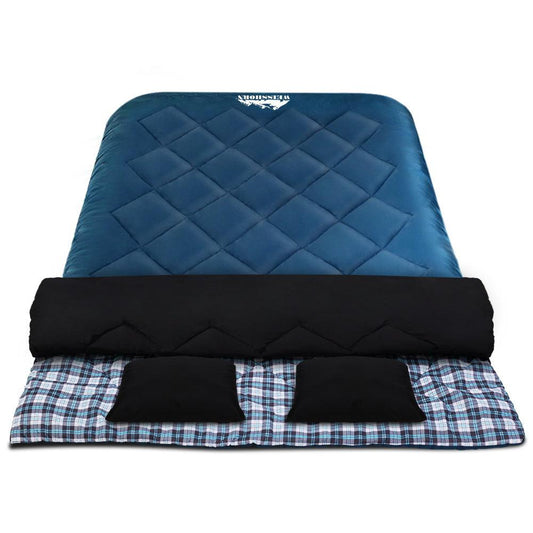
If there is one area worth getting right, it is your sleep setup. A cheap sleeping bag on a low-quality air mattress is a fast way to have a miserable night. Cold rises through the ground, and poor insulation underneath you will flatten any warmth your sleeping bag is trying to hold.
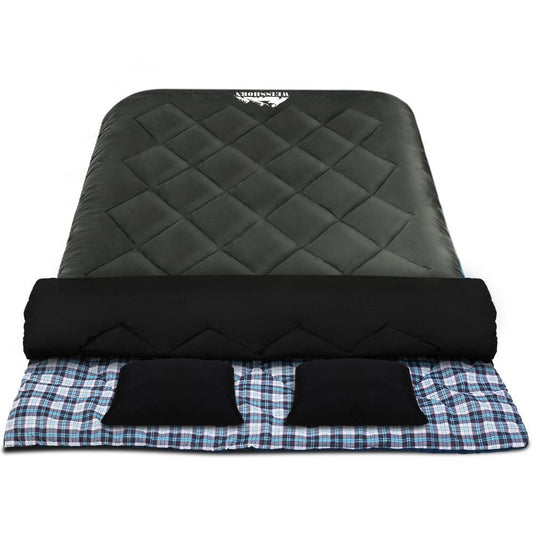
Start with an insulated sleeping mat, stretcher or quality mattress that suits winter use. Then match it with a sleeping bag rated for the temperatures you are likely to face, not the temperatures you hope for. Ratings can be optimistic, so a bit of margin is a smart move.
Layering helps here too. A thermal liner, extra blanket or doona can add comfort without needing a full gear overhaul. For families, this is often the easiest upgrade. You do not always need specialist alpine gear. You just need a sleep system that works together.
A hot water bottle before bed is one of those old-school tricks that still works. So are dry socks, a beanie and changing out of damp clothes before getting into bed. Warmth is not only about buying more gear. It is also about using it properly.
Clothing for camp, not just for the hike
The best cold-weather camping clothes are simple, layered and dry. Start with thermals or base layers that wick moisture. Add a warm mid-layer like fleece or insulated clothing, then finish with an outer layer that cuts wind and handles light rain.
Cotton can be fine around camp in mild weather, but in genuine cold it is not your mate once it gets damp. Better to lean on fabrics that dry faster and keep warmth better. A puffer jacket, decent beanie and proper socks do a lot of heavy lifting after dark.
Do not forget camp footwear. Stepping into icy boots or wet thongs first thing is rough. Dry shoes or boots for camp use can make cold mornings far more bearable.
Pack more socks than you think you need
It sounds basic because it is. Dry socks are one of the quickest ways to feel human again after a cold day outside. Gloves are in the same category. They are small, affordable and easy to forget until you need them.
Cooking gear that keeps everyone warm
Hot food changes the mood of a winter camp fast. A reliable stove, enough fuel and cookware that is easy to use with cold hands all matter. This is not the trip to discover your burner struggles in wind or takes forever to boil water.
Think beyond dinner too. A kettle or billy for tea, coffee and hot chocolate earns its place. Soup, porridge and easy one-pot meals are perfect for cold trips because they are warm, filling and low fuss.
If you are camping with kids, winter snacks matter more than people expect. Quick, warm food helps keep energy up and complaints down. If you are off-grid for a few days, your food storage needs to match the conditions. Cold weather can help with perishables, but it does not replace proper storage.
Heating and power at camp
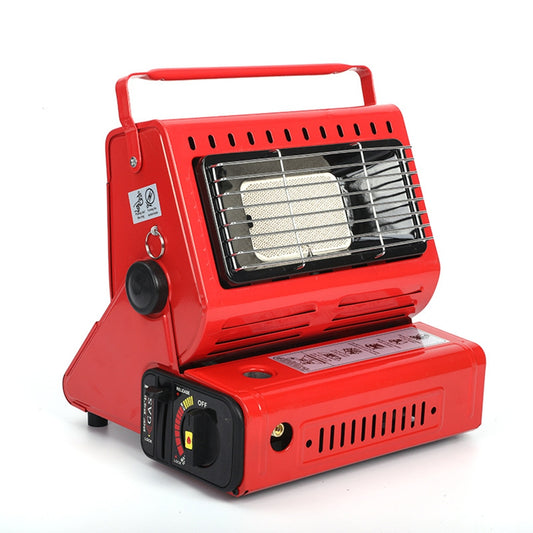
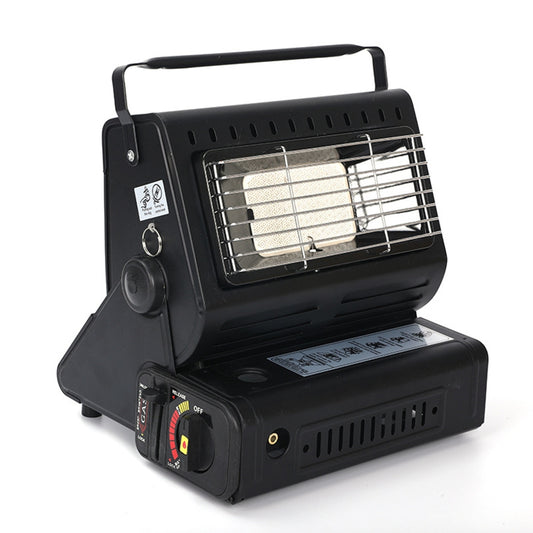
Portable heaters can be a great addition in the right setup, especially for larger sheltered camp spaces or caravan use, but they need to be used sensibly and according to the product instructions. The key question is not just whether a heater sounds good. It is whether your shelter type, ventilation and trip style actually suit one.
For many campers, simpler heat sources do the job better. Warm layers, a stronger sleep setup, hot meals and extra blankets often give better value than trying to heat a whole tent. It depends on the setup and how often you camp in the cold.
Power is part of comfort too. Short winter days mean lights get used earlier and longer. A dependable lantern, headlamp and charged power solution should be on every cold weather camping essentials list. If you are running extra lighting, heated accessories or charging devices, plan your battery capacity properly.
Safety and weather prep you should not skip
Winter trips can turn quickly, especially inland or in elevated areas. Check forecasts before you go, but also assume conditions may change. Extra pegs, guy ropes, a repair kit and a dry storage tub for spare clothing are smart additions.
Your first aid kit should cover the usual basics, but also think about cold-specific needs. Lip balm, hand cream, heat packs and any personal medication you do not want exposed to freezing temps are worth packing. If you are travelling remotely, recovery gear, communications and backup power move from handy to essential.
Water is another easy one to underestimate. People often drink less in the cold, but dehydration still sneaks up. Keep water accessible and stop it becoming an afterthought.
The smart way to build your winter setup
If you are starting from scratch, do not try to buy everything at once. Upgrade the items that affect warmth the most first. That usually means your sleeping bag, sleeping mat or mattress, and shelter quality. After that, work on camp comfort with better lighting, cooking gear and weather protection.
For experienced campers, winter is often about refining what you already have. Maybe your tent is fine but your mat is not. Maybe the swag works well but you need a better awning or camp chair setup for longer nights. Practical gear wins every time.
This is where buying from a broad-range Aussie retailer makes life easier. You can sort your shelter, sleep, cooking, heating and power gear in one place and build a setup that suits real Australian trips, not just catalogue photos.
A cold weather camping essentials list that suits your trip
The best winter kit is the gear you will actually use. A solo overnighter in a swag needs a lean, proven setup. A family road trip might need more shelter space, extra bedding and easier meal options. A caravan traveller may prioritise heating, power and insulation accessories. Same season, different list.
So before you load the car, ask three simple questions. How cold will it really get, how exposed is the campsite, and how comfortable do you want camp to be once the sun goes down? Answer those honestly and your gear choices become a lot clearer.
Cold-weather camping is one of the best ways to see Australia at its quietest. Fewer crowds, crisp mornings and a campfire jumper kind of atmosphere are hard to beat. Pack for warmth, plan for the conditions, and you will spend less time shivering and more time enjoying where you are.