Camping Checklist for Beginners in Australia
That first camping trip usually starts the same way - too much gear in the garage, not enough confidence, and one big question: what do you actually need? A solid camping checklist for beginners takes the guesswork out of packing, helps you avoid expensive mistakes, and makes your first night outdoors a lot more comfortable.
For most Aussies, beginner camping is not about buying every bit of gear at once. It is about covering the basics well. If your shelter is dry, your sleep setup is warm enough, your food is sorted, and you have a few safety essentials packed, you are already on the right track.
A simple camping checklist for beginners
The easiest way to build your setup is to think in five parts: shelter, sleep, cooking, clothing, and site essentials. Get those right first. Extras can come later once you know how you actually like to camp. For a broader trip-planning list, see what to pack for camping in Australia.
If you are heading to a caravan park or powered site, your checklist can stay fairly simple. If you are going bush, camping on the coast, or tackling a colder inland trip, you will need to be more careful with weather protection, lighting, water, and backup power. That is where a lot of beginners get caught - not by forgetting something obvious, but by underestimating Australian conditions.
Shelter
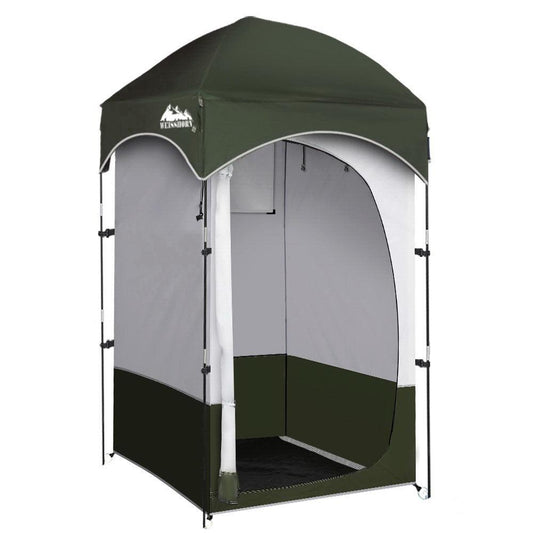
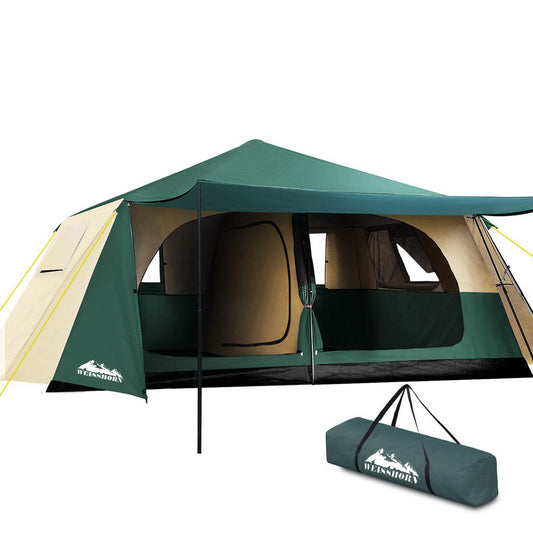
Your tent or swag is the starting point. For most first-timers, a basic tent with enough room for people plus bags is the smart option. A two-person tent for two adults is usually tight once you add gear, so sizing up makes life easier. If you want a faster, simpler setup, a swag can be brilliant for solo campers or couples, but it depends on how much room and flexibility you want.
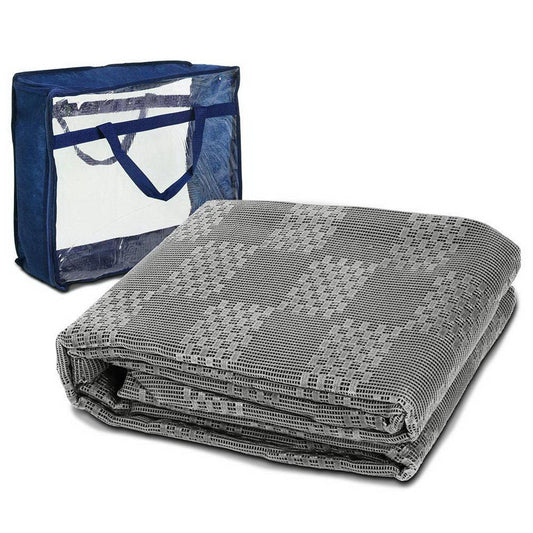
You will also want a groundsheet or tarp if your setup calls for one, along with pegs, guy ropes, and a mallet. These are small items, but forgetting them can turn arrival into a headache. In warmer parts of Australia, airflow matters. In wet or windy areas, weather protection matters more. It is always a trade-off, so match your shelter to the conditions, not just the price tag.
Sleep setup
A bad sleep can ruin a good trip fast. Beginners often focus on the tent and forget that comfort comes down to what is underneath and on top of you. At minimum, pack a sleeping bag suited to the expected overnight temperature and something to sleep on, whether that is a stretcher, sleeping mat, self-inflating mat, or air mattress.
Pillows are worth bringing too. You can make do with a rolled-up jumper, but most people sleep better with a proper pillow from home or a compact camp pillow. If you are camping in cooler regions, add extra blankets rather than hoping one sleeping bag will do it all. Cold nights hit harder when you are lying still.
Cooking and food
Camp meals do not need to be fancy, but they do need a plan. A portable stove, fuel, lighter or matches, and basic cookware will cover most beginner trips. Think one pan, one pot, cooking utensils, plates, cups, and cutlery. If your campsite has shared facilities, you may need less. If not, bring what you need to cook, serve, and clean up.
A decent esky or portable fridge makes a big difference for fresh food. For a short overnight trip, an esky with ice can be enough. For longer stays, especially in warm weather, proper powered cooling is a better bet. Bring more drinking water than you think you need. Even at established campgrounds, relying entirely on local supply is not always the best move.
Food-wise, keep it simple. Sausages, wraps, pasta, bacon and eggs, pre-cut veg, tea, coffee, and snacks are easier than elaborate camp cooking when you are still learning. Beginner camping is smoother when meals are quick, familiar, and low fuss.
Clothing for Australian camping
Packing clothes for camping is less about fashion and more about layers, weather changes, and keeping dry. Even if the forecast looks good, mornings can be cold and nights can cool off quickly. Start with comfortable basics, then add a warm layer, a waterproof outer layer, spare socks, and sturdy footwear.
Thongs are fine around camp or for the amenities block, but they are not enough on their own. Closed-in shoes or boots are the safer option for setup, walking, collecting firewood where allowed, or moving around uneven ground. A hat and sunscreen belong on the checklist year-round in Australia. So does insect repellent.
If there is any chance of rain, pack dry clothes in a separate bag or tub. That one small move can save the trip. Wet gear, wet bedding, and no spare layers is a rough lesson for first-time campers.
Campsite essentials people forget
This is where a beginner camping checklist really earns its keep. The big-ticket items are easy to remember. It is the smaller practical gear that often gets missed.
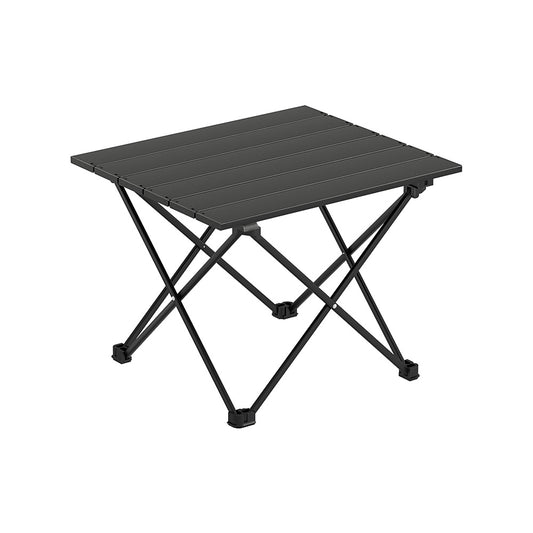
Lighting is a big one. Bring a lantern for the campsite and a head torch for hands-free jobs at night. Toilet paper, rubbish bags, paper towel, wipes, and a small first aid kit should always make the cut. Camp chairs and a folding table are not strictly essential, but they make meals and downtime much easier, especially for families.
Mobile charging matters too. If you are only away for a night, a power bank may be enough. For longer trips, camp power solutions like batteries or solar can be worth considering. It depends on whether you are just charging mobiles and lights or trying to run fridges and other gear.
If your site allows campfires, pack fire starters and check local restrictions before you leave. In many parts of Australia, fire rules can change quickly. Never assume you can have one just because it is a campsite.
Don’t overpack on your first trip
A good camping checklist for beginners is not about packing half the house. It is about packing with purpose. One of the most common mistakes is loading up on cheap extras before you know what you will actually use.
Start with the essentials, then build from there. After your first trip, you will know whether you want better seating, more storage, a larger shelter, improved cooking gear, or a warmer sleep setup. That approach usually saves money and gets you a setup that suits the way you travel.
This is especially true for Aussie road trips and family weekends away. Some people love a stripped-back setup with a swag and stove. Others want a full base camp with chairs, tables, shade, lighting, and plenty of cooking gear. Neither is wrong. It just depends on the trip, the season, and how much comfort you want.
Your beginner packing list at a glance
If you want one practical list to work from, pack these basics before you leave:
- Tent or swag, pegs, ropes, groundsheet, mallet
- Sleeping bag, pillow, sleeping mat or air mattress, blankets
- Camp stove, fuel, lighter, cookware, utensils, plates, cups, cutlery
- Esky or fridge, food, drinking water, tea and coffee
- Clothes, warm layers, rain jacket, spare socks, hat
- Toiletries, towel, toilet paper, wipes
- Head torch, lantern, power bank, charging cables
- Camp chairs, table if needed, rubbish bags, paper towel
- First aid kit, sunscreen, insect repellent
Before you leave, check the basics
Gear is only part of being prepared. Check the weather, confirm your booking, and know what facilities are actually on site. Some campgrounds have toilets, hot showers, BBQs, and water. Others are far more basic. Your checklist should match the campsite, not just the idea of camping.
Do a test pack at home if you can. Inflate the mattress, set up the tent once, and make sure your stove works. That quick check can save a lot of frustration when you arrive late or in bad weather. If you are buying gear for the first time, dependable value matters more than flashy features. A simple setup that works well is better than a complicated one you do not trust.
For new campers, the goal is straightforward - be comfortable enough to enjoy the trip and prepared enough to handle the basics. Once that part is sorted, the rest gets easier. Pack smart, keep it simple, and give yourself room to learn what works for your kind of adventure. Our beginner’s guide to camping in Australia covers the next steps once your packing list is sorted.