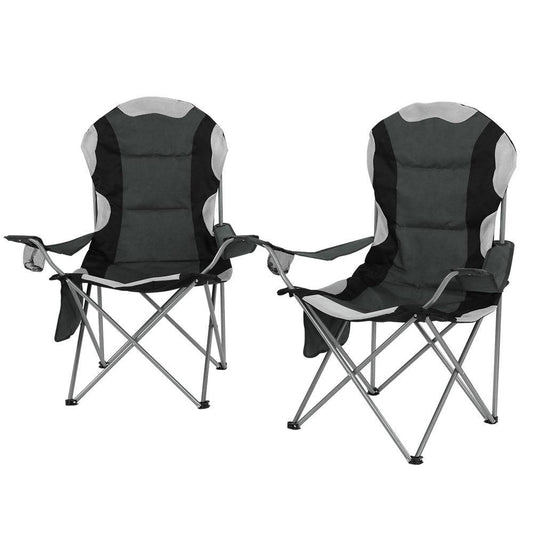
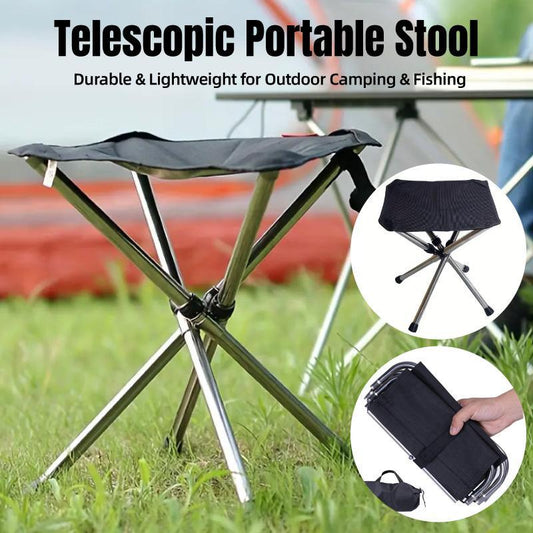
Camping Chairs That Actually Suit Your Trip
You notice a bad chair fast. Usually around sunset, when dinner’s on, the esky is open, and someone ends up perched on a wonky seat that sinks into the dirt or cuts into the back of their legs. Good camping chairs don’t need to be fancy, but they do need to suit the way you actually camp.
That’s where plenty of buyers get it wrong. They shop by price alone, or grab the smallest folded size without thinking about comfort, height, weight rating or where the chair will be used. A quick overnight at a holiday park needs something different from a week off-grid, a fishing session by the river, or a family trip where the chair gets dragged in and out of the car half a dozen times a day.
What makes camping chairs worth buying?
A solid camping chair earns its keep in three ways. It should be comfortable enough to use for more than twenty minutes, tough enough for rough ground and regular packing, and easy enough to carry that it doesn’t become dead weight. If one of those is missing, the chair starts feeling like a compromise.
Comfort is the obvious one, but it’s not just about padding. Seat height matters more than most people expect. Lower chairs can be relaxed and compact, but they’re harder to get in and out of, especially after a long day on the road or track. Higher chairs are easier on the knees and back, which makes a big difference for caravan travellers, older campers, and anyone who wants to sit down and stand up without wrestling the armrests.
Build quality matters just as much in Australian conditions. Hot sun, dusty campsites, salt air near the coast and rough handling in the back of the ute all add up. A chair might look fine online, but the details tell the real story - frame material, fabric tension, stitching, leg design and how stable it feels on uneven ground.
Choosing camping chairs for the way you camp
The best chair depends on your setup. That sounds obvious, but it’s the reason one person swears by a lightweight folding chair while another won’t camp without a padded recliner.
For quick weekend trips
If you’re doing short stays and packing light, simple folding camping chairs usually make the most sense. They’re easy to throw in the boot, quick to set up and good value for regular use. For this kind of trip, you probably don’t need every extra feature. You need a chair that opens fast, packs away without a fight and gives you a comfortable place to sit around the fire or camp table.
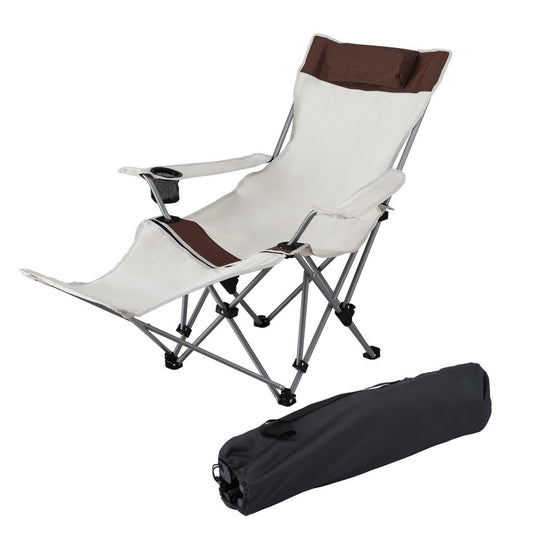
Cup holders are handy here, and so are carry bags if you’re trying to keep gear organised. Just don’t treat extras as the main selling point. A cup holder won’t matter much if the chair sags in the middle after a couple of uses.
For longer stays and family camping
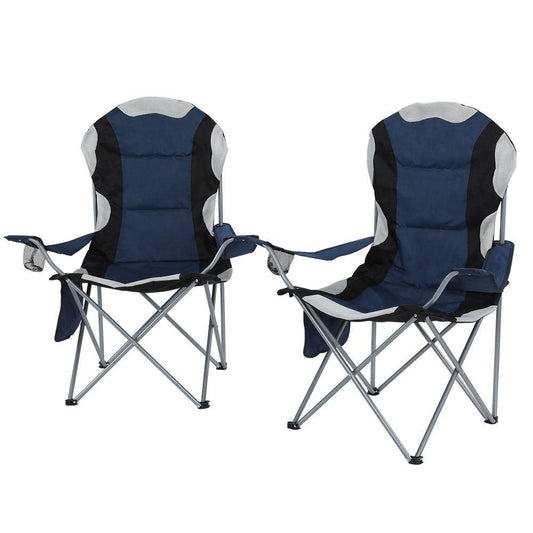
When camp is set up for a few days, comfort starts climbing the priority list. This is where padded seats, supportive backs and sturdier armrests become worth the extra space in the car. If you’re sitting through breakfast, lunch, dinner and a few hours in between, a basic compact chair can get old pretty quickly.
Families also benefit from chairs that are easy for everyone to use. Chairs that fold smoothly and feel stable on grass, gravel or packed dirt save a lot of mucking around. If you’re buying several at once, it’s also worth thinking about consistency. Matching seat heights and similar folding styles make camp setup simpler.
For 4WD touring and tighter pack space
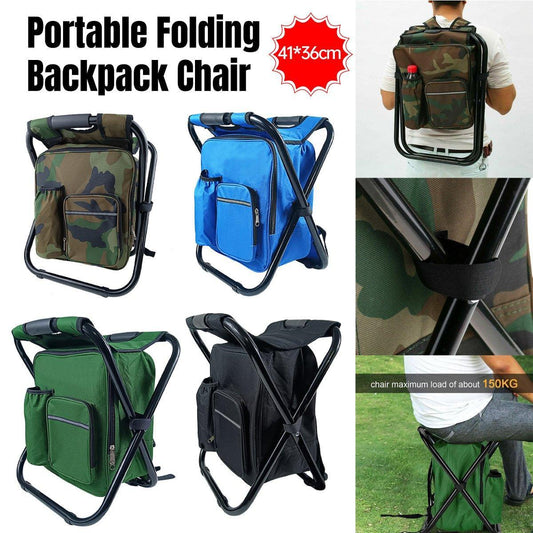
Space is always under pressure on a proper touring setup. Between recovery gear, tools, fridge space, food and swags, every bit of room counts. In that case, camping chairs with a slim folded profile can be a smarter buy than bulky quad-fold designs.
The trade-off is that lighter, slimmer chairs are not always as plush. That doesn’t mean they’re uncomfortable, but you may need to give up some padding or seat width. For many 4WD travellers, that’s a fair swap if it means easier packing and less gear clutter.
For fishing, beach trips and riverside use
These trips are hard on chairs. Sand gets everywhere, damp gear gets packed away in a rush, and uneven ground is almost guaranteed. A chair with wider feet or a more stable base is often a better choice than one with skinny legs that sink into soft ground.
If you’re near the coast a lot, durability becomes even more important. Salt and moisture are unforgiving, so a chair that’s easy to clean and built with decent materials will generally last longer. It also helps to avoid anything that feels flimsy straight out of the bag, because it won’t improve with use.
The features that matter most
It’s easy to get distracted by add-ons, but a few basics matter more than anything else.
Weight rating should be checked first. Not because bigger is always better, but because it tells you a fair bit about the chair’s overall build. A stronger frame often means better long-term durability and less flex when you sit down.
Seat width and back support are next. Some chairs feel roomy and relaxed, while others are narrow and upright. Neither is automatically right or wrong. It depends on whether you want a dining-style seat for camp meals or something you can sink into at the end of the day.
Then there’s folded size. This one matters more than product photos suggest. A chair can look compact online, but if you’re packing a small SUV, camper trailer or caravan tunnel boot, dimensions matter. It’s worth checking whether your priority is the shortest packed length, the flattest folded shape, or the lightest carry weight.
Fabric and frame quality round things out. Strong stitching, durable fabric and a frame that feels stable under load are worth paying attention to. You don’t need overbuilt gear for every trip, but you do want something that can handle regular use without becoming another cheap replacement job.
Cheap vs premium camping chairs
There’s no single right budget for camping chairs. Sometimes a low-cost chair is exactly the right call. If you camp a few times a year, need extra seating for the family, or want a practical spare to keep in the car, affordable options can do the job well.
Where people get caught out is buying the cheapest chair for heavy use. If you’re away often, or if comfort matters because you spend hours sitting outside, it usually pays to step up a level. Better support, stronger materials and easier folding can make a noticeable difference over time.
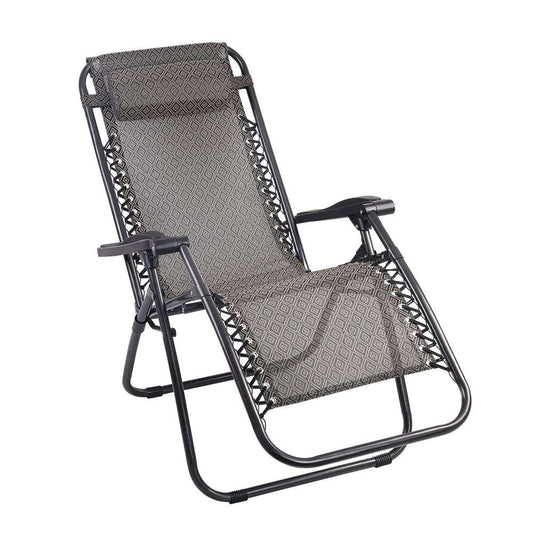
That said, premium doesn’t always mean better value. Some chairs charge extra for features you may never use. Reclining systems, oversized padding and added accessories can be brilliant for some campers and unnecessary for others. The smart buy sits in the middle of price, comfort and practicality.
Common mistakes when buying camping chairs
The biggest mistake is shopping without thinking about how the chair will travel. A roomy chair might be perfect at camp and a headache in the car. The second mistake is ignoring seat height. Plenty of people only notice this after the first trip, when they realise the chair is too low, too reclined or awkward to get out of.
Another common one is assuming all camping chairs feel the same once you sit in them. They don’t. Frame shape, fabric tension and armrest position all change how supportive a chair feels. Even small differences show up fast when you’re sitting for a while.
Buyers also tend to underestimate how much abuse chairs cop. They get shoved into storage, left in the weather, dragged across campsites and loaned to whoever forgot theirs. A bargain can still be good value, but only if it’s built for real use.
How to get more life out of your chair
A bit of care goes a long way. Let the chair dry before packing it away, especially after beach trips or wet weather. Sand and salt are rough on moving parts and fabric, so a quick clean after coastal use is worth the effort.
It also helps to avoid forcing the frame when folding or unfolding. A lot of damage comes from rushed pack-downs, not just hard use. Store the chair somewhere dry, and if it comes with a carry bag, use it. It keeps the fabric cleaner and stops the frame snagging on other gear.
Finding the right fit for your next trip
The right camping chairs are the ones that match your setup without making life harder. That might mean compact and lightweight for touring, padded and supportive for longer stays, or simple and affordable for family weekends away. Good value is not about buying the cheapest option on the page. It’s about getting a chair that feels right at camp, packs properly, and keeps doing the job trip after trip.
If you’re buying for real Australian use, keep it practical. Focus on comfort, packability and durability first, then choose the extras that actually suit the way you head outdoors. That’s usually where the best buys are - straightforward gear, fair pricing, and comfort you’ll be glad you packed when the day finally slows down.