Camping Battery Box: What to Look For
Nothing kills the camp mood faster than a flat battery, warm fridge and no way to charge your gear. A good camping battery box fixes that problem fast. It gives you a safer, tidier and more practical way to run power at camp, whether you’re heading out for a weekend away, setting up the caravan, or loading the 4WD for a longer trip.
For plenty of Aussie campers, the battery itself gets all the attention. Fair enough - battery capacity matters. But the box around it can make a big difference to how easy your setup is to use, how well it handles rough travel, and how safely you can power your gear. If you’re choosing one for the first time, or replacing an old setup, it pays to know what actually matters.
Why a camping battery box makes sense
A loose battery in the back of the ute or wagon is asking for trouble. It can slide around on corrugations, get knocked during pack-up, or end up with a messy tangle of leads that becomes a headache every time you stop. A battery box keeps the whole setup more organised and better protected.
It also makes your camp power more usable. Instead of clipping bits on and off the battery terminals every time you want to run lights, a fridge or a mobile charger, you’ve got built-in outlets and a cleaner way to connect everything. That matters when you pull in late, set up in the dark, or just want gear that works without any mucking around.
For family campers and weekend travellers, that convenience is often the real win. You don’t need an overly complex dual-battery build to get practical power at camp. A battery box can be a simple, flexible option that gets the job done.
What a camping battery box actually does
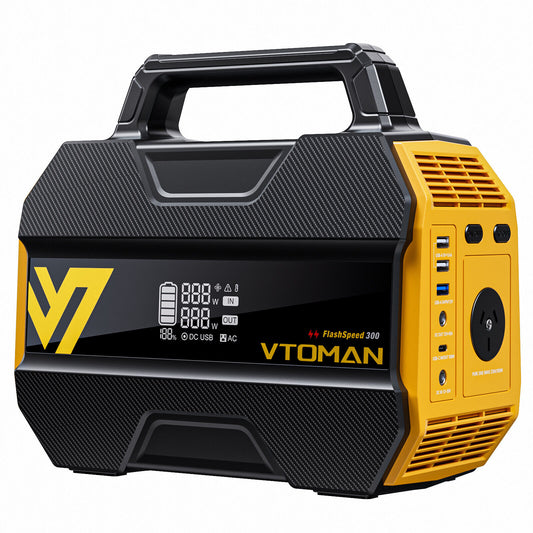
At its most basic, a battery box holds and protects your battery. But many models do a lot more than that. Depending on the setup, you might get USB charging ports, 12V sockets, Anderson plugs, built-in circuit protection, voltmeters and carry handles that make the whole system easier to move and use.
Some boxes are fairly simple and are really just about safe transport and basic access. Others are closer to a portable power hub for your camp setup. The right choice depends on what you’re running and how often you travel.
If all you need is to power a few LED lights and keep a mobile charged on overnight trips, you can keep it pretty basic. If you’re running a fridge, charging camera gear, powering accessories and moving between camp and boat ramp, a better-equipped box starts to make a lot more sense.
Start with your battery size and type
Before looking at sockets and extras, check battery fit. Not every box suits every battery, and getting this wrong can be a pain. You want the battery to sit securely with the right dimensions and hold-down arrangement, especially if your gear will spend time on rough tracks.
Battery chemistry matters too. AGM batteries are still a common choice for camping setups because they’re dependable and widely used. Lithium batteries are lighter and often give you more usable capacity, but they can cost more and may need compatible charging gear. A battery box should suit the battery you plan to use, not just whatever looks good on the shelf.
This is where a lot of buyers overcomplicate things. The best setup is not always the most expensive one. It’s the one that matches your gear, your budget and the way you actually camp.
The features worth paying for
Some features are genuinely useful. Others sound great until you realise you’ll barely use them. If you want a battery box that earns its spot in the vehicle, focus on practical features first.
A clear battery monitor or voltmeter is handy because it gives you a quick read on charge level. Anderson input and output can also be a big plus if you’re charging from solar or connecting higher-draw gear. USB ports are useful for everyday devices, while standard 12V outlets make it easy to run common camp accessories.
Strong handles, solid tie-down points and a tough outer shell matter more than people think. Aussie camping conditions are not gentle on gear. Boxes get bumped, dragged, loaded in a hurry and exposed to dust and heat. A flimsy unit can become annoying pretty quickly.
Built-in safety protection is another one worth having. Fuses or circuit breakers help protect your gear and reduce the risk of problems when you’re charging or running multiple devices. That’s not the flashy part of the setup, but it’s one of the most important.
Think about how you’ll charge it
A camping battery box is only as useful as your charging plan. If you mainly do short weekend trips and recharge at home between outings, that’s fairly straightforward. If you’re heading away for several days, you need a reliable way to top it up.
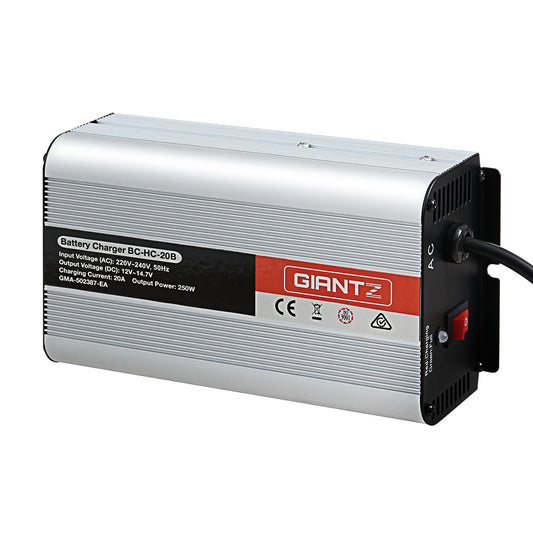
Charging from the vehicle is a common option, especially for road trips and 4WD touring. Our portable solar setup guide is a useful starting point for longer stays in one spot. Solar is a strong choice particularly if you’re running a fridge and don’t want to rely on driving every day. Mains charging at home or in a powered site can also be part of the mix.
The main thing is compatibility. Some setups play nicely together straight away. Others need extra gear, and that can catch buyers out. It’s worth checking what charging inputs the box supports and whether that suits the way you travel.
Portable power versus permanent install
One of the biggest advantages of a battery box is flexibility. You can move it between vehicles, use it in the tent one weekend and the boat the next, or pull it out for charging without touching the rest of your setup. That makes it a smart option for campers who want practical power without a permanent fit-out.
That said, portable does come with trade-offs. A fixed dual-battery system can be neater in some vehicles and better suited to frequent touring. A portable box is easier to start with, but it does take up space and still needs to be secured properly.
For plenty of campers, the portable option is the sweet spot. It’s simpler, more affordable and easy to upgrade later if your setup grows.
Don’t ignore weight and space
A battery box can get heavy fast, especially once you add a larger AGM battery. That’s fine if it mostly stays put in the canopy or caravan boot, but less ideal if you’re lifting it in and out regularly. If portability matters, weight is not a small detail.
Space matters too. Measure where it will sit before buying. Plenty of camp setups are tight on room once the fridge, drawers, recovery gear and food are packed in. A box that looks compact online can feel a lot bigger when you’re playing Tetris in the back of the car.
If you camp light, a bulky setup can feel like overkill. If you travel with the family and rely on powered gear, a bit of extra size is often worth it for the convenience.
The cheap option can cost more later
There’s always a temptation to go for the cheapest battery box and call it done. Sometimes that works. But if the ports are unreliable, the casing feels weak, or the connections become a hassle after a few trips, you’ll feel that bargain pretty quickly.
Value matters more than the lowest price. A dependable box that’s easy to use and built for real travel is usually the better buy. That’s especially true if you’re using it often or depending on it to keep food cold, lights running and devices charged.
Just Camp Australia’s audience knows the difference between flashy extras and gear that actually earns its keep. For most campers, the goal is simple - reliable power, sensible features and no drama once you’re on the road.
So, which camping battery box is right for you?
If you’re a casual weekend camper, a straightforward box with basic outputs and solid protection will often do the job nicely. If you’re touring longer, running a fridge and relying on solar, it’s worth stepping up to a model with better connectivity, monitoring and charging flexibility.
The best choice comes down to your trip style. Think about what you really need to power, how long you stay off-grid, and whether you want a portable setup or something closer to a permanent camp power solution. Get those basics right and you’ll end up with gear that works harder and lasts longer.
A good battery box won’t make a bad trip good, but it can make a good trip a whole lot easier - and that’s exactly the kind of gear worth packing.