Camp Oven Cooking for Easy Outdoor Meals
You know a meal is going well when the fire’s settled, the billy’s nearby, and something hearty is bubbling away in the camp oven while everyone hovers around asking when it’ll be ready. That’s the beauty of camp oven cooking. It turns a basic campsite dinner into a proper feed, and it does it without needing fancy gear or chef-level skills.
For Aussie campers, that matters. You want meals that are filling, simple to manage, and realistic after a long drive, a day on the tracks, or an afternoon by the water. Camp oven cooking suits all of that. It’s reliable, flexible, and built for the kind of outdoor trips where comfort still counts.
Why camp oven cooking still earns a spot at camp
A camp oven is one of those bits of gear that keeps proving its value. You can roast, bake, stew, fry and slow-cook in the one pot, which saves space in the ute, caravan or trailer. It also handles the sort of food that works best outdoors - big flavours, generous portions, and meals that don’t need constant fussing.
It’s not the fastest way to cook, and that’s part of the trade-off. If you want a two-minute lunch, use a burner and a frypan. But when you want a meal with a bit more payoff, a camp oven is hard to beat. Throw in your ingredients, manage your heat properly, and let time do the work.
There’s also a practical side to it. A good camp oven copes well with Australian conditions, whether you’re set up inland, on the coast, or at a bush campsite where the wind changes every hour. Once you get used to heat control, you’ll find it’s a dependable way to cook for couples, families and larger groups.
The gear that makes camp oven cooking easier
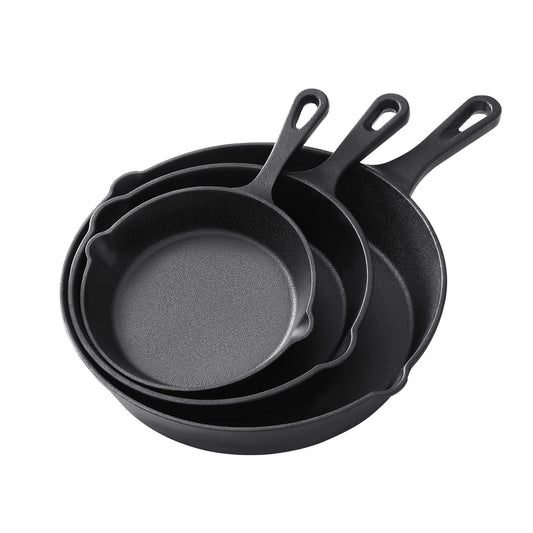
You don’t need a huge setup, but a few basics make a big difference. A solid camp oven with a well-fitting lid is the obvious starting point. Cast iron is the classic choice because it holds heat well and gives steady cooking, though it’s heavier to pack. That weight is fine for car camping, 4WD touring and caravan trips, but less ideal if space and payload are tight.
A lid lifter is worth having because shifting a hot lid with improvised tools gets old quickly. Our camp cooking accessories guide covers other practical additions worth packing. Heat-resistant gloves help too, especially once the coals are going. If you’re cooking over a fire, a shovel or metal scoop makes it easier to move coals where you need them. A simple trivet can also help stop stews, roasts and dampers from catching on the base.
This is where practical buying matters. Good-value gear that’s easy to use usually gets used more often than expensive gear that feels like overkill. For most campers, reliable basics beat a complicated setup every time.
Heat control is the whole game
Most camp oven cooking problems come down to one thing - too much heat underneath and not enough on top. That’s when you burn the base and end up with an undercooked top. A camp oven cooks best when the heat is balanced, especially for baking and roasting.
If you’re using coals, aim for steady, moderate heat rather than a roaring bed of red-hot fury. More heat should usually sit on the lid than under the pot, because the lid acts like the top element in an oven. For casseroles and stews, a gentler base heat works well. For damper or roast veg, you’ll want more even all-round heat.
It also pays to rotate the oven and lid every so often. Turn the pot one way and the lid the other. That helps even out hot spots, which are common when cooking on coals or near a campfire.
Wind, outside temperature and the size of your fire all affect results, so there’s no perfect formula every time. That’s part of the learning curve. The upside is that once you’ve done it a few times, you’ll get a feel for it quickly.
Best foods to start with
If you’re new to camp oven cooking, start with forgiving meals. Think dishes with a bit of moisture and a wide margin for error. A beef stew, curried sausages, chilli con carne or chicken casserole all work well because they don’t punish you for a few extra minutes of cooking time.
Roast meals are another good option, especially if you line the base with onion, carrot or potato to lift the meat and stop sticking. Lamb, beef and chicken can all work well in a camp oven, but size matters. A massive roast in a small oven tends to cook unevenly, so match your meal to your pot.
Damper is the classic camp oven test. It’s simple, satisfying and very Australian, but it does show up poor heat control straight away. Too hot underneath and the base goes black before the middle is ready. Get the balance right, though, and you’ll end up with a cracking loaf that disappears fast.
Desserts are worth a look too. Apple crumble, self-saucing pudding or baked fruit are easy crowd-pleasers on cooler nights. They also make a campsite feel a bit more civilised without needing much extra effort.
How to plan camp oven meals properly
The best camp meals start before you leave home. A bit of prep saves hassle later, especially when you’re tired, hungry and setting up in fading light. Chop vegetables in advance, pre-mix spices, and portion your meat so you’re not doing fiddly prep on a camp table with a torch in your mouth.
One-pot meals are usually the smartest choice. They create less washing up, use fewer ingredients, and stretch well if extra people turn up hungry. That suits family camping and group trips, where simplicity matters more than trying to cook three separate dishes.
It’s also worth thinking about fuel and time. Camp oven cooking is efficient in one sense because it can cook a lot of food at once, but it does ask for patience. If you know you’ll be arriving late, a quick pan meal might make more sense on night one, with the camp oven saved for the following evening when you’ve got time to enjoy it.
Common mistakes and how to avoid them
A lot of first-timers lift the lid too often. Every time you check the food, you lose heat. With a stew that’s not a disaster, but with baking it can slow things down and affect the result. Trust the process a bit more than your instincts.
Another mistake is skipping seasoning and care. Cast iron needs looking after. Dry it properly, keep it lightly oiled, and avoid leaving it wet in the back of the car after a trip. A neglected camp oven won’t stay non-stick for long, and rust is a pain you don’t need.
Overfilling is another common issue. It’s tempting to cram everything in, but food needs space for heat to move around it. A crowded camp oven cooks slower and less evenly. Better to cook a manageable batch well than a giant one poorly.
Then there’s the fire itself. Big flames look impressive, but coals do the real work. Steady heat beats dramatic heat every day of the week.
Camp oven cooking for families, road trips and weekends away
One reason camp oven cooking works so well is that it scales nicely. A couple can make a small curry or damper without much effort, while a family can use the same basic method for a roast or casserole that feeds everyone. It feels substantial, and after a day outdoors that goes a long way.
For road trippers and caravan travellers, it also adds variety. Cooking every meal on a single burner gets repetitive fast. A camp oven gives you different textures, slower-cooked flavour, and that classic outdoor feel people actually remember from a trip.
It doesn’t have to be a bush-only thing either. You can use a camp oven at established campgrounds, beachside stays or inland stopovers, as long as local fire rules allow it. Where fire restrictions apply, some campers use camp ovens with other heat sources, but the setup and results can vary. It depends on where you’re staying, what gear you have, and how much effort you want to put in.
For campers building out a practical kit, this is exactly the sort of gear that earns its keep. It’s simple, tough and genuinely useful. That’s why it remains a favourite for so many Australian setups, from first-time campers to seasoned tourers. Just Camp knows that reliable gear tends to be the gear you reach for again and again.
If you’re thinking about giving it a go, start simple, keep your heat steady, and cook something generous enough to share. Camp oven cooking gets better with practice, and the best part is you get to eat your way through the learning curve.