Best Beach Shade Shelters for Aussie Trips
You notice bad beach shade about 20 minutes after arriving. The sun shifts, the wind picks up, someone complains they’re cooking, and suddenly that cheap shelter looked like a false economy. The best beach shade shelters earn their keep fast in Australia because they need to do more than block sun - they need to stay put, go up without drama, and give you usable space for a proper day by the water.
That is where a lot of buyers get stuck. One shelter looks compact but feels cramped once chairs, towels and bags are inside. Another promises easy setup but turns into a wrestling match in a coastal breeze. The right pick depends on how you actually use the beach, how many people you need to cover, and how much setup effort you are willing to put up with.
What makes the best beach shade shelters?
At beach level, the basics matter more than flashy extras. Good coverage is obvious, but shape matters as much as size. A low, open-front shelter can be great for airflow and quick shade, while a more enclosed design gives better protection when the sun is slanting in from the side or the sea breeze turns gritty.
Stability is the big one for Australian beaches. Soft sand and gusty conditions expose weak frames and poor anchoring straight away. A shelter that works beautifully at a calm park can become dead weight on the coast. Sand pockets, oversized pegs, guy ropes and flexible but strong poles all make a real difference.
Then there is packability. If you are hauling gear from the car park with kids, esky, towels and half the house, a bulky shade shelter gets old quickly. The best option is not always the biggest or strongest. Sometimes it is the one you will actually bring every time.
The main types of beach shade shelters
Pop-up beach shelters
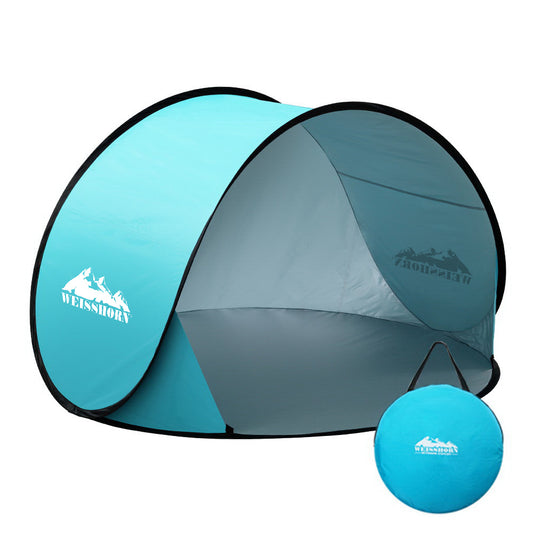
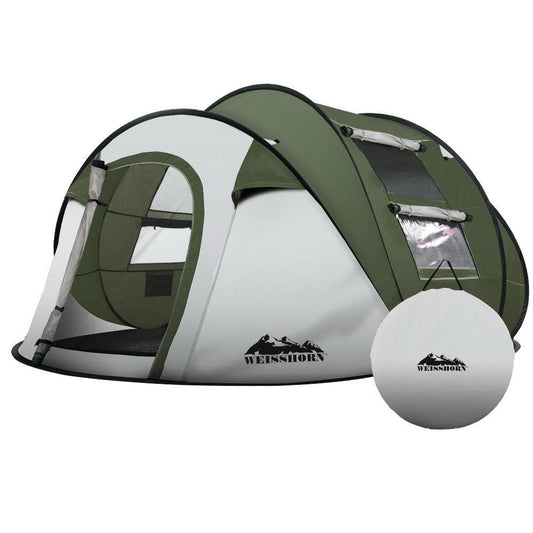
These are popular for a reason. They are quick, simple and usually friendly for families who want shade without a long setup. A decent pop-up shelter gives you instant cover for shorter beach visits, morning swims or casual afternoons where convenience matters more than fortress-level protection.
The trade-off is wind performance. Some pop-up designs are excellent in light to moderate conditions, but not all handle stronger gusts well. You need to pay attention to the anchoring system and the frame quality, not just the promise of a fast setup. If you mostly visit patrolled beaches with a short walk from the car and tend to pick calmer days, they make a lot of sense.
Beach cabanas and canopies
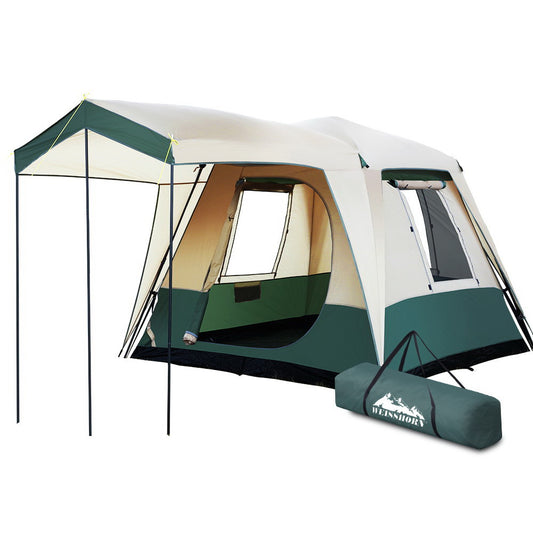
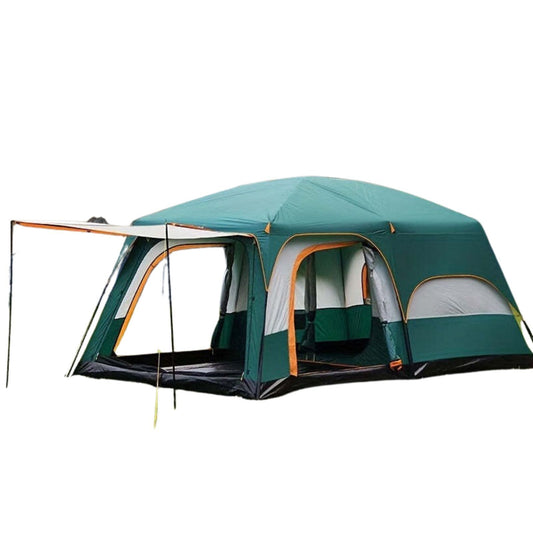
This style is often the sweet spot for all-round use. You get more open space underneath, better standing or sitting room, and a setup that usually feels more stable than the flimsier end of the pop-up category. Families like them because there is room for chairs, snacks, toys and a bit of movement without everyone sitting on top of each other.
The compromise is that setup can take longer, especially the first few times. Some also need careful guying out to perform well in wind. If you are after a shelter for longer beach days, family use or regular summer trips, this style often gives the best balance of comfort and value.
Full beach tents
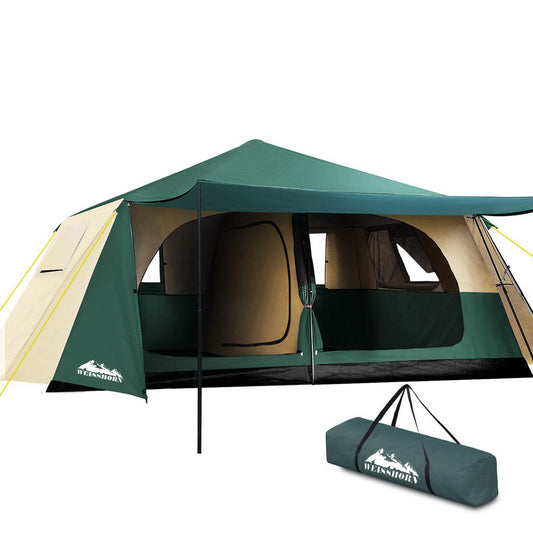
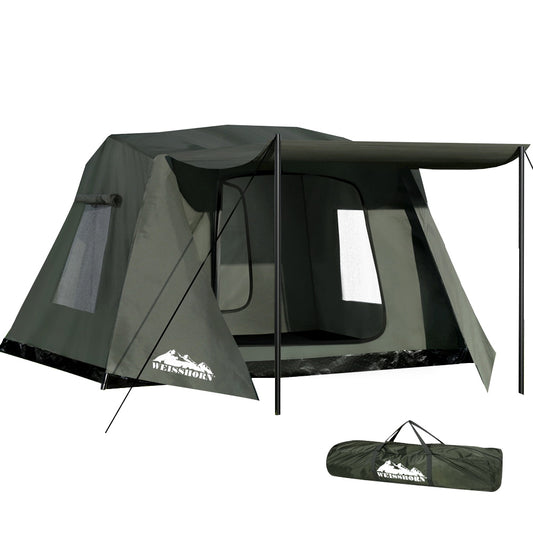
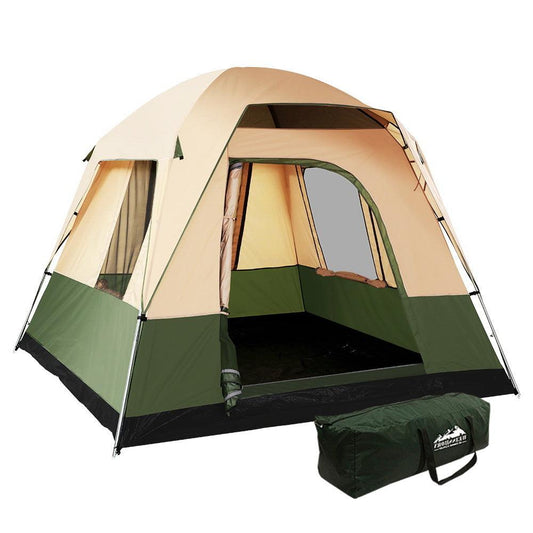
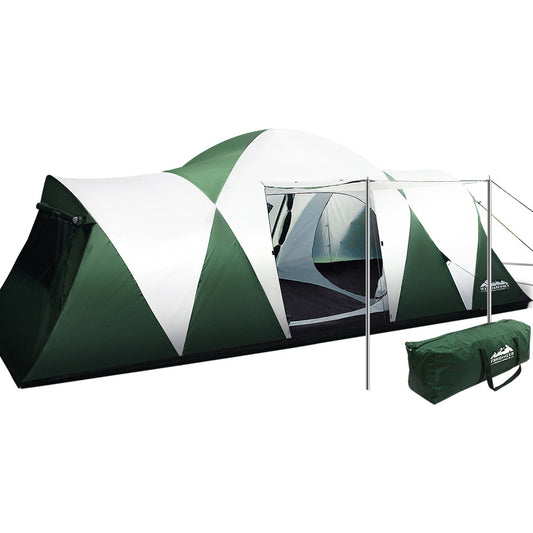
A full beach tent suits buyers who want more protection and a bit more privacy. They are handy if you have small kids who need a break from sun and wind, or if you are spending long days at the beach and want a proper base camp feel.
They can be warmer inside on hot days if ventilation is poor, so mesh windows and airflow panels matter. They also take up more room and can feel like overkill for a quick swim-and-go beach visit. For newborns, toddlers or all-day setups, though, that extra enclosure can be worth it.
Shade awnings with poles and sand anchors
These are increasingly popular because they pack down small and can create a wide shaded footprint. They are excellent when you want airy cover rather than enclosed shelter. With quality fabric and solid anchoring, they can be a smart option for groups, picnics and long beach sessions.
The catch is that some are less forgiving to set up if you are new to them. They can also be more sensitive to wind direction and anchor quality. Done right, they are brilliant. Done poorly, they can be frustrating.
How to choose the right size
A lot of people buy too small. Shelter capacity claims can be optimistic, especially once you add bags, coolers, hats, toys and shoes. If a product says it fits four people, think about whether that means four adults shoulder to shoulder on towels or four people sitting comfortably with gear tucked away.
For couples, a compact shelter is usually enough if you travel light. For families, stepping up one size often makes the whole day easier. More shade means less shifting around as the sun moves, and more room to keep food, phones and dry clothes out of direct heat.
If you often beach camp with friends, fish from the shoreline, or spend full days on the sand, a larger canopy-style shelter may suit you better than a small enclosed tent. It depends on whether you value airflow and shared space over privacy.
Wind, UV and fabric quality matter more than gimmicks
Don’t ignore wind handling
On an Aussie beach, wind is not a side issue. It is often the deciding factor between a great shelter and a wasted purchase. Look for designs with proper sand anchors, reinforced corners, sturdy poles and guy lines that are easy to tension. If a shelter seems too light and too sparse, it probably is.
The best beach shade shelters are designed to flex a bit without collapsing at the first gust. Rigid does not always mean better. A little give in the frame can help the shelter cope with changing conditions.
UV protection should be clear, not vague
If shade is the whole point, the fabric needs to back it up. High UPF-rated material is worth looking for, especially if you are out with kids or spending long hours on the coast. Not all fabrics provide the same level of sun protection, and mesh-heavy designs can trade shelter for airflow.
That does not mean enclosed is always better. It means being realistic about the time of day, the angle of the sun and how much side coverage you need.
Cheap materials show up fast
Salt, sand and sun are hard on outdoor gear. Thin fabric, weak stitching and bargain-bin pegs can fail quickly, even if the shelter looks fine on day one. Value matters, but so does buying something that can survive more than one summer.
For most buyers, the smart move is not the cheapest option. It is the shelter that offers solid materials and reliable design at a sensible price. That is usually where the best long-term value sits.
Best beach shade shelters for different beachgoers
If you are heading out with young kids, go for easy setup, strong UV protection and enough enclosed shade for naps, snack breaks and escaping the midday glare. A beach tent or roomy pop-up often works well.
If your beach days are usually quick and casual, a lighter pop-up or compact canopy is easier to carry and faster to get working. You do not need a huge shelter if your trips are short and simple. Our quick-setup beach shelter guide covers the main styles and trade-offs.
For larger families or group outings, open canopies and cabana-style shelters tend to make more sense. They give people room to spread out and usually feel less stuffy in hot weather.
For fishers, caravan travellers and road trippers who want gear that can do double duty, a more versatile shade option is worth considering. Some shelters work well at the beach, by the campsite, or at a day stop on the road, which gives you better value from one piece of gear.
A few buying mistakes worth avoiding
The biggest mistake is shopping by packed size alone. Yes, portability matters, but not if the shelter is too small, too fiddly or too weak for the conditions you actually face.
Another common one is overestimating weather tolerance. No beach shelter is magic in severe wind. Even good ones have limits, and safe setup still matters. If conditions turn rough, pack it down early rather than testing your luck.
It is also easy to be swayed by trendy designs without thinking about practical use. Ask the basic questions. Can you carry it easily from the car? Can you set it up without a full committee? Will it fit the people and gear you take most often? That is usually where the right answer is.
For Australian buyers, it pays to shop with local conditions in mind. A shelter built for calm holiday beaches overseas may not be ideal for bright sun, warm sand and gusty afternoons here. That is why practical, value-focused gear suited to real Aussie trips matters more than polished marketing.
You can also browse current shelter options in our Tents & Swags range. A good beach shelter does not need to be fancy. It just needs to give you reliable shade, straightforward setup and enough toughness to handle the coast without turning your day into hard work. Pick for the way you actually travel, not the way the box makes it look, and you will end up with gear that gets used all summer.