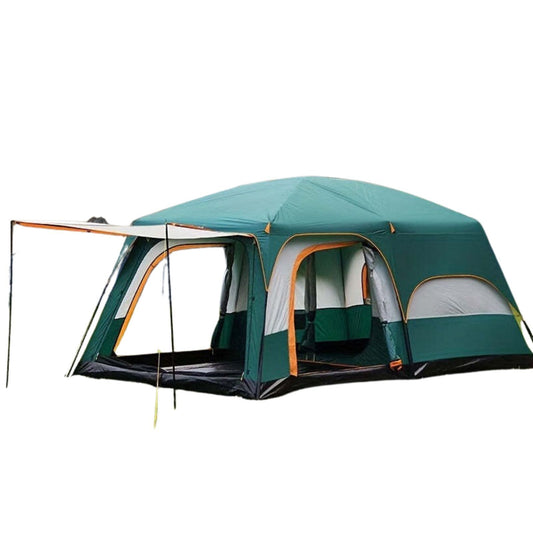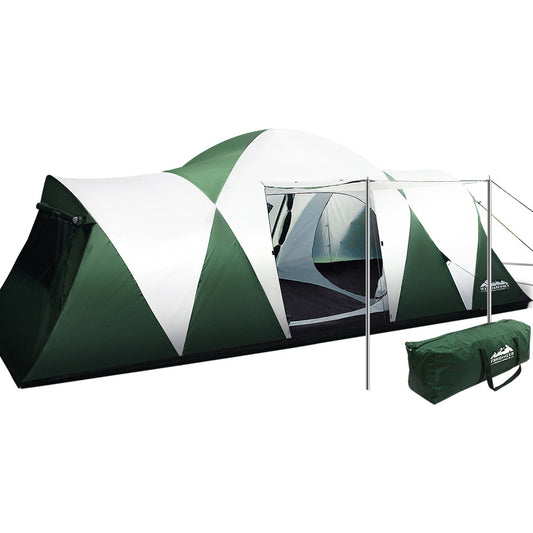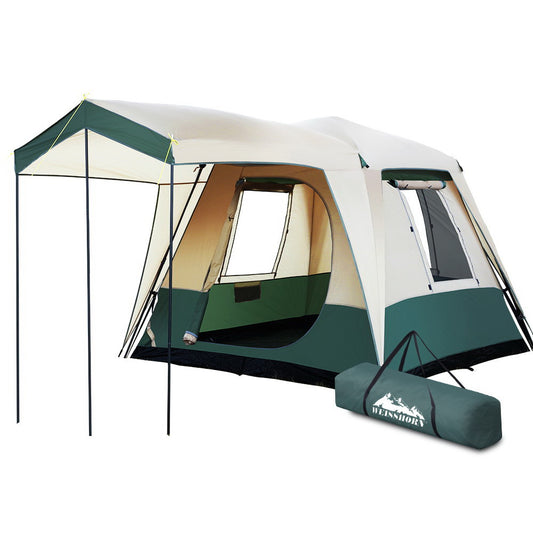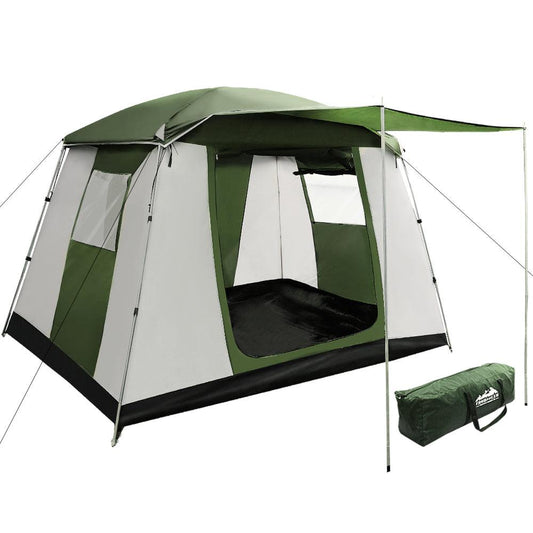


Quick Setup Beach Shelter Buying Guide
Share
You know the drill. The esky is packed, the kids are already sandy, the wind is up, and the last thing anyone wants is a beach shelter that turns a quick trip into a wrestling match. A quick setup beach shelter earns its keep when it goes up fast, stays put, and gives you proper shade without chewing up half the morning.
For Australian beaches, that matters more than it does in plenty of other places. Sun exposure is harsher, wind can change quickly, and soft sand makes some shelter designs far less useful than they look online. If you are buying for family beach days, fishing sessions, or easy coastal weekends, the best option is usually the one that balances speed, stability, and packability rather than chasing the biggest or flashiest model.
What makes a quick setup beach shelter worth buying
The main selling point is obvious - fast setup. But speed on its own is not enough. A shelter that pops up in 30 seconds and then flaps itself inside out the minute a sea breeze rolls through is not good value.
A worthwhile quick setup beach shelter should do three things well. It should be easy for one person to pitch, it should hold steady in typical coastal wind, and it should provide enough covered space for how you actually use the beach. That might mean two adults reading in the shade, a family keeping lunch and bags out of the sun, or a base camp for a long day of swimming and fishing.
The sweet spot for most buyers is a shelter that saves setup time without becoming bulky in the car. That is where practical design matters more than gimmicks.
Quick setup beach shelter types compared
Not every fast-pitch shelter works the same way, and the right choice depends on who is using it.
Pop up shelters
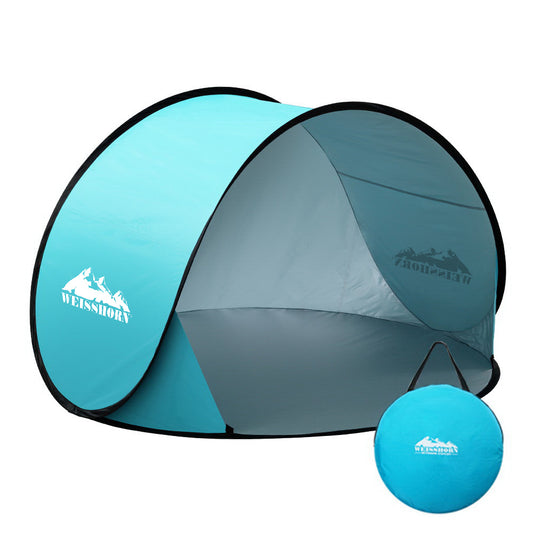
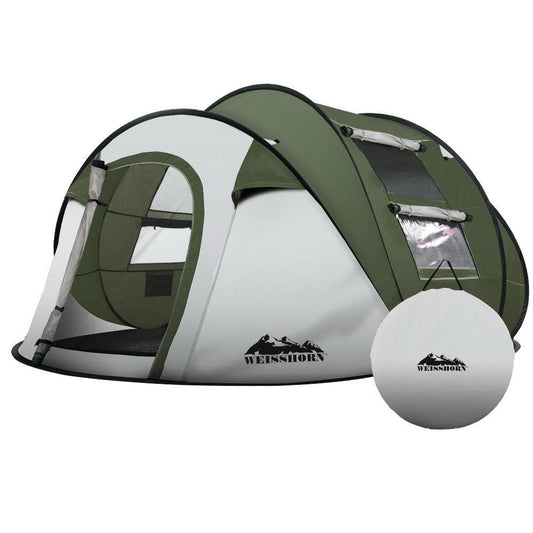
Pop up designs are popular because they are fast and simple. Usually, you release them, give them a shake, and peg them down. For casual beach use, they are hard to beat for convenience.
The trade-off is control. Some pop up models are brilliant in calm weather but less impressive when the wind picks up. Folding them back down can also test your patience if the frame design is awkward. They suit families and day trippers who want fast shade and are usually visiting patrolled or more sheltered beaches.
Hub frame shelters
These use a flexible frame with hubs at the joints, so the structure opens out quickly but still gives you more shape and support than a basic pop up. They often feel more secure and give better internal space.
They usually take a touch longer to set up, but not by much. In return, you often get a more dependable shelter for breezy conditions. For regular beachgoers, this is often the better all-round option.
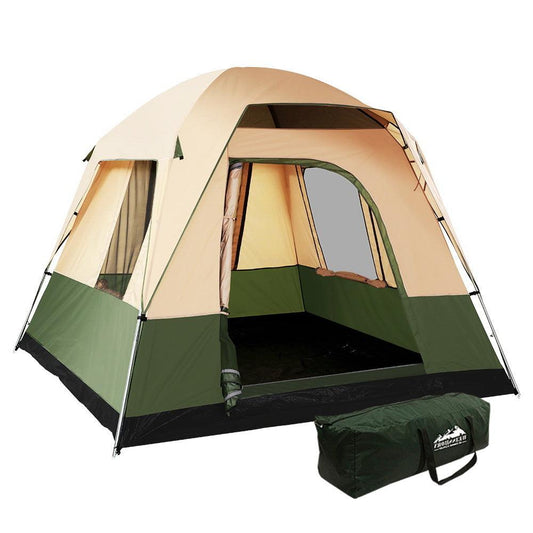
Beach tents with poles
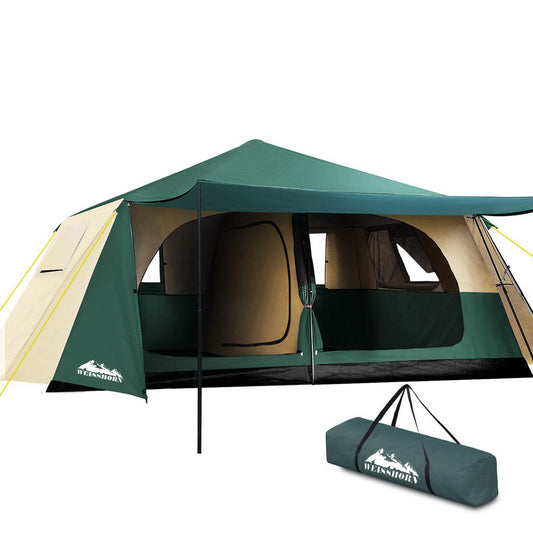
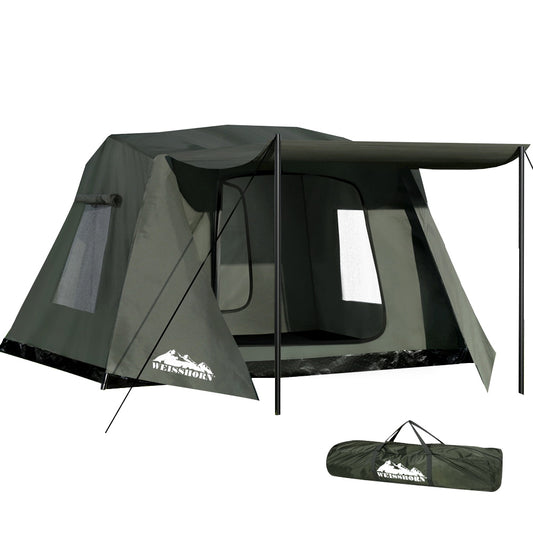
These can still be relatively quick if the design is simple, but they are not always what most shoppers mean by quick setup. They take a bit more effort and usually need more careful pegging and guying out.
Where they can win is stability and coverage. If you spend long days on exposed beaches, a more structured beach tent may be worth the extra few minutes.
The features that matter on Australian beaches
A shelter can look great in photos and still be a pain on the sand. These are the details that make a real difference.
Sun protection
Shade is the whole point, so the fabric needs proper UV protection. For Aussie conditions, that is not a nice extra. It is essential. Look for materials designed to reduce UV exposure and enough wall coverage to block low-angle sun, not just overhead glare.
Open-front shelters are great for airflow, but if the sides are too shallow, you can still end up chasing the shade across the day.
Wind handling
Beach wind is where weak shelters get exposed. Lightweight is good for carrying, but too light can mean too flimsy. A solid frame, sensible shape, and reliable anchoring points matter more than clever marketing claims.
Sand pegs are a big part of this. Standard pegs often do a poor job in soft sand, so a shelter with beach-specific pegs or sand pockets is a smarter buy. Guy ropes help too, although they do add a bit more setup time.
Size and usable space
Check the real floor space, not just the advertised occupancy. A shelter listed for four people may technically fit four, but once you add towels, bags, shoes, snacks, and a couple of kids spreading out, it can feel cramped fast.
For couples, a compact model is often fine. For families, it is usually worth sizing up one step. A bit of extra room makes the day easier and gives you better shade movement as the sun shifts.
Pack size and carry weight
Quick setup is only part of the story. You still need to get it from the car park to the beach. If the packed shelter is awkward, heavy, or shaped like an oversized disc that catches every gust on the walk in, that convenience can disappear quickly.
A carry bag with decent straps helps. So does a pack size that fits neatly in the boot with the rest of your gear.
Ventilation
A closed shelter can get stuffy in summer, especially on still days. Mesh panels, rear windows, and open front designs improve airflow and make the shelter more comfortable for longer sessions.
That said, more ventilation can mean less privacy and less wind blocking. If you have young kids getting changed or want extra shelter from blowing sand, you may prefer a model with closable panels.
Who should buy which style
If you are heading out with young kids, convenience usually wins. Fast setup matters when someone is already hungry, tired, or covered in sunscreen and sand. A pop up or hub-style shelter with plenty of shade and easy access makes the most sense.
If you are a regular beach fisher or spend long sessions on open stretches of coast, stability matters more. A shelter that takes a few extra minutes to secure properly can be the better long-term buy.
If your beach trips are occasional and you just want something affordable that works, stick with a straightforward design. You do not need every feature on the shelf. You need dependable shade, decent airflow, and a setup process that does not require a practice run in the backyard every weekend.
Common buying mistakes
One of the biggest mistakes is buying too small. Compact sounds good until everyone is huddled in the last patch of shade by lunchtime.
Another is underestimating the wind. Plenty of shoppers focus on setup speed and forget that beach shelters do not live in calm conditions. If you mainly visit exposed beaches, pay close attention to frame design and anchoring.
The third is ignoring pack-down. Some shelters are easy to open and frustrating to close. That may not seem like a deal-breaker at checkout, but it matters when you are tired, sandy, and ready to head home.
How to get the most from your shelter
Even the best quick setup beach shelter performs better if you use it properly. Face the opening away from the strongest wind where possible. Use all anchor points, not just the minimum. If the shelter includes guy ropes, use them when the breeze picks up rather than waiting until things start shifting.
It also pays to shake out sand before packing down and let the shelter dry fully after use. Salt, moisture, and trapped sand can shorten the life of fabric and frame components if you keep packing it away wet or gritty.
Is a quick setup beach shelter better than a beach umbrella?
It depends on how you use the beach. Umbrellas are light, cheap, and easy to move, but they generally offer less consistent shade and can struggle badly in wind if not secured properly.
A shelter gives you more coverage, better protection from sun and sand, and a more comfortable base for families. The downside is extra bulk and a slightly bigger setup footprint. For solo swimmers or short trips, an umbrella might still do the job. For family days and longer sessions, a shelter usually offers better value.
Choosing for value, not just price
The cheapest option is not always the best buy, but neither is the most expensive. Good value comes from getting a shelter that matches your trip style and local conditions.
If you head to the beach a few times each summer, a basic quick-pitch model may be all you need. If you are out regularly, it is worth spending a bit more on stronger materials, better anchors, and a design that handles Australian conditions properly. That is usually where the difference shows after a season or two.
For shoppers who want straightforward gear without the fuss, retailers like Just Camp make sense because the focus stays on practical outdoor products that suit real trips, not showroom fantasy setups.
A good beach shelter should make the day easier from the minute you hit the sand to the minute you pack up. If it goes up fast, holds steady, and gives you reliable shade when the heat is on, you will use it more often and enjoy the beach a whole lot more.