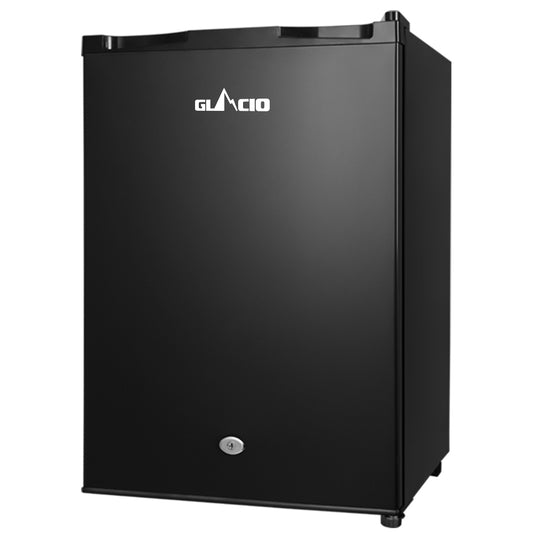
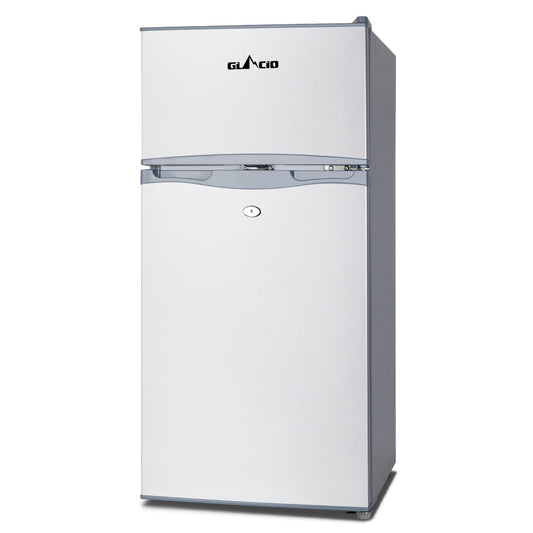
Hard Cooler vs Fridge: Which One Wins?
Share
You feel it quickest on day two. The ice is thinning out, the snags are floating in cold water, and someone asks why you did not just bring a fridge. That is usually when the hard cooler vs fridge debate stops being theoretical and starts costing you money, food quality, or both.
For Aussie campers, fishers, caravan travellers and 4WD tourers, the right choice depends less on hype and more on how you actually travel. A hard cooler can be a ripper value for short trips and simple setups. A portable fridge gives you better control, less mess and a much easier time once the days get hotter and the miles get longer. Neither option is perfect for every adventure.
Hard cooler vs fridge: the real difference
A hard cooler is passive. It keeps food and drinks cold with ice or ice bricks, and its performance depends on insulation quality, how often it is opened, outside temperature, and how well you pack it. A fridge is active. It uses a compressor or thermoelectric system and needs power to maintain a set temperature.
That basic difference changes everything. With a hard cooler, your cold storage gets weaker over time as the ice melts. With a fridge, temperature stays far more consistent if you have enough battery capacity, charging support, or access to mains power.
If you mostly head out for overnight trips, beach runs, barbies at the park, or casual weekends at a nearby campsite, a hard cooler can make plenty of sense. If you are doing multi-day touring, travelling in proper heat, carrying meat and dairy, or camping remotely, a fridge starts looking less like a luxury and more like a practical bit of kit.
Where a hard cooler makes more sense
The biggest win with a hard cooler is simplicity. No wiring, no battery management, no need to think about voltage drop, solar input or whether your vehicle setup can handle another powered accessory. You pack it, load it and go.
It is also usually cheaper up front. For families building out their first camping setup, that matters. A decent hard cooler can handle drinks, lunch supplies and frozen items for a shorter trip without blowing the budget. If you only camp a few times a year, the lower entry cost is hard to ignore.
Hard coolers also suit trips where power is limited or not worth the hassle. Think day fishing, local sport, picnics, a quick overnighter, or keeping drinks cold in the back of the ute. You can throw one in, hose it out later and not stress too much.
That said, the trade-off is ongoing ice use. Ice takes up internal space, adds weight and eventually turns into water. Once that happens, packaging gets soggy, food can end up partially submerged, and your temperature control is nowhere near as precise.
Where a fridge pulls ahead
A portable camping fridge earns its keep on longer trips. Instead of topping up ice every day or two, you get stable cooling for meat, milk, salads, frozen food and medicine, provided your power setup is sorted.
That consistency matters more in Australian conditions than plenty of first-time buyers expect. A cooler that performs well on a mild weekend can struggle badly in summer heat, especially if it is sitting in a hot vehicle or under direct sun. A good fridge handles those swings far better.
There is also the convenience factor. No meltwater, no chasing bags of ice at servo prices, and no guessing whether the chicken is still cold enough after a long day on the road. If you are moving between campsites, towing a van, or doing a proper 4WD trip, that kind of reliability saves hassle fast.
Fridges are also better for people who camp often. The up-front cost is higher, but if you are regularly buying ice, replacing spoiled food, or working around the limits of a cooler, the value equation starts shifting.
Cost is not just the sticker price
When comparing hard cooler vs fridge, plenty of buyers focus on the purchase price and stop there. Fair enough, because a hard cooler is usually the cheaper buy. But running costs and setup costs matter too.
A hard cooler needs ice. On one short trip, that is no big deal. Across multiple weekends, school holiday runs, or a longer coastal road trip, ice costs stack up. You also lose storage space to that ice, which can mean packing a larger cooler than you otherwise need.
A fridge has the opposite problem. Ongoing cooling can be efficient, but the supporting gear adds cost. Depending on your setup, you may need a dual battery system, portable power station, solar panel, fridge slide, or extra charging gear. If you are starting from scratch, that can push the real price well beyond the fridge itself.
So the better question is not which one is cheaper. It is which one is cheaper for the way you travel.
Power and practicality on the road
This is where many buyers get caught out. A fridge sounds brilliant until they realise it needs a dependable power source. For a basic weekend away, you might get by with a vehicle socket while driving and a battery pack overnight. For longer stays, you need a more thought-out setup.
If your touring rig already has 12V power sorted, adding a fridge is easy. If not, a hard cooler may be the smarter move for now. There is no point buying a fridge if it leaves you worrying about flattening the starter battery or juggling charging every few hours.
On the flip side, if you already run solar, a battery box, or a caravan power system, a fridge becomes much more attractive. In that situation, it slots neatly into a setup you are already using.
Space, weight and packing
A hard cooler can be bulky, and once you add ice it gets heavy in a hurry. The problem is not just lifting it. It is the amount of usable food space you lose. If half the cooler is ice, your actual storage is a lot less than the advertised capacity.
A fridge usually gives you more usable internal volume for the same outer size because you are not sacrificing room to ice. But the unit itself can still be heavy, and once installed it is less flexible. You are not casually moving it from car to campsite to boat ramp as easily as a simple cooler.
For families, this comes down to packing style. If you need something you can shift around easily and use for different jobs, a hard cooler stays appealing. If you want organised, dependable cold storage as part of a regular touring setup, a fridge is easier to live with.
Food safety and drink duty
If the priority is keeping beers, softies and sandwich gear cold for a short stint, a hard cooler does the job. If the priority is food safety across several days, a fridge is the safer bet.
That is especially true for raw meat, dairy and anything that should stay at a consistent temperature. With a cooler, every lid opening lets cold air out and warm air in. Add repeated rummaging for drinks, and your food temperature can climb faster than you think.
A common workaround is using both. Keep drinks in a hard cooler, where frequent opening is no drama, and store food in a fridge where temperatures stay steadier. It is not the cheapest setup, but for longer trips it works well.
Which one suits your trip style?
For the occasional camper, the hard cooler is still a strong buy. It is affordable, simple and useful across more than just camping. It works for beach days, fishing sessions, sporting events and quick getaways without adding electrical complexity.
For regular campers, van owners and 4WD travellers, a fridge generally offers better long-term convenience. It removes the ice chase, gives you more confidence with perishables and holds up better on extended trips in hot weather.
If you are somewhere in the middle, think about trip length first. One to two days, especially in milder conditions, leans cooler. Three days plus, especially in summer or remote areas, leans fridge. Then look at whether your current vehicle or camp power setup can support a fridge properly.
There is also no rule saying you must pick a side forever. Plenty of Australians start with a hard cooler, then step up to a fridge once they camp more often or build out their touring setup. That is a sensible path, not a compromise.
At Just Camp, that practical approach matters more than chasing the fanciest gear. Buy for the trips you are actually doing now, with enough flexibility for the next one. The best cold storage setup is the one that keeps your food safe, your drinks cold and your weekends easy, without turning every trip into a logistical exercise.