4x4 Recovery Gear That Actually Matters
Share
One bog hole after rain, one soft beach entry, or one rutted fire trail is all it takes to realise your 4x4 recovery gear is either doing the job or just taking up space. In Australia, where tracks can shift from hard-packed to axle-deep mud in a few metres, the right setup is less about buying everything and more about carrying gear that suits how and where you actually drive.
What 4x4 recovery gear should you carry?
If you want a practical answer, start with the basics that solve the most common problems. Most weekend drivers don’t need a competition-ready kit, but they do need enough gear to deal with sand, mud, minor snatches, and simple winch recoveries.
A sensible starting point usually includes recovery tracks, a rated snatch strap or kinetic rope, rated shackles or soft shackles, a tree trunk protector, recovery gloves, a shovel, and an air compressor for tyre pressure changes. If your vehicle has a winch, that adds another layer, but only if you also know how to use it safely.
That’s the key trade-off. More gear can give you more options, but it also means more weight, more cost, and more chances to buy something you’ll barely use. For many drivers, a compact, well-matched kit beats a boot full of random bits bought in a rush.
The core 4x4 recovery gear most drivers need
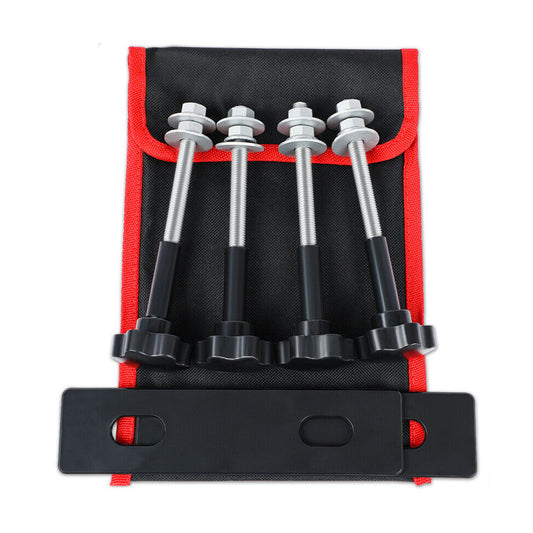
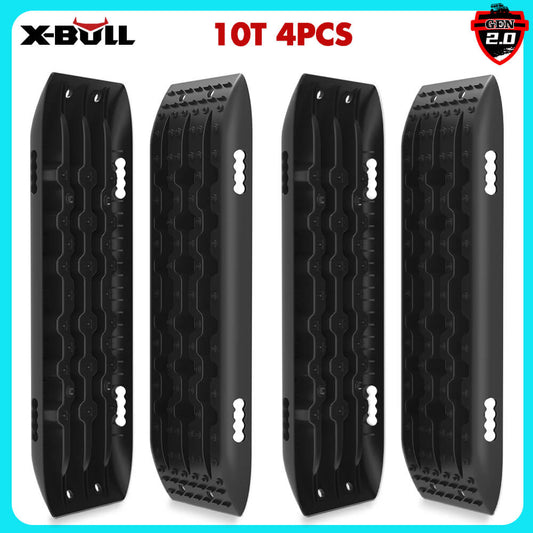
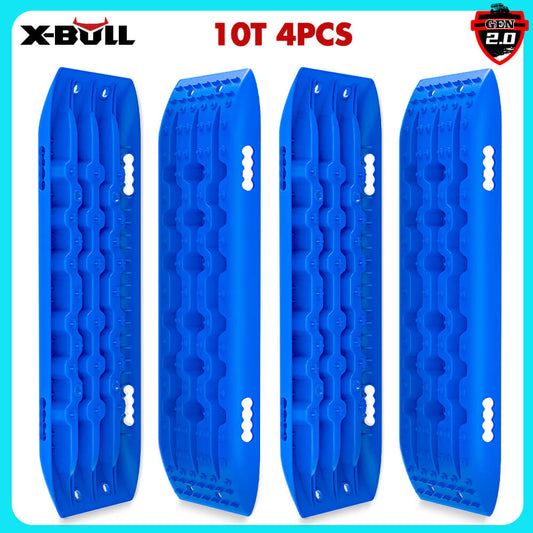
Recovery tracks are one of the smartest first buys because they’re simple, fast, and often safer than jumping straight into a snatch recovery. In sand, shallow mud, and loose terrain, they can get you moving again without needing a second vehicle. They’re especially handy for solo travel, beach runs, and family trips where you want the quickest fix and the least drama.
A shovel matters more than people think. Before you pull, snatch, or winch, digging out tyres, clearing a diff pumpkin, or building a path for tracks can save a lot of strain on your gear. It’s basic, cheap, and it works.
Rated straps and shackles are where you need to pay attention. Recovery gear must be rated for the load and intended use. A snatch strap is designed to stretch and help recover a bogged vehicle with momentum. A tree trunk protector is for anchoring a winch to a tree without damaging the bark. They’re not interchangeable just because they look similar rolled up in a bag.
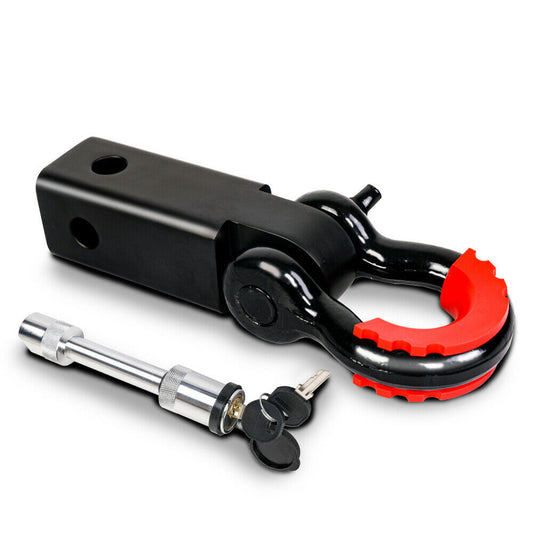
Soft shackles have become popular for good reason. They’re light, easy to store, and reduce the risk of heavy metal hardware flying around if something goes wrong. That said, steel shackles still have their place in some setups. It depends on your recovery points, the gear you already run, and how often you’re out on tougher tracks.
Why recovery points matter more than fancy gear
A lot of people spend good money on straps and tracks but overlook the most important link in the chain - the vehicle’s rated recovery points. If your 4WD doesn’t have proper rated points front and rear, recovery becomes riskier straight away.
Factory tie-down points are not the same thing. They may look solid, but they’re often designed for transport, not recovery loads. That difference matters when a bogged vehicle is buried to the chassis and the force starts climbing.
This is where being realistic helps. The best 4x4 recovery gear in the world won’t save a poor setup. Before adding extras, make sure your vehicle has suitable, rated mounting points and that the gear you carry matches them. It’s not the flashiest purchase, but it’s one of the most important.
Matching your kit to Aussie conditions
Australia doesn’t ask one question of your recovery gear. It asks several. Beach driving, high country touring, station tracks, clay after rain, and rocky bush trails all punish gear in different ways.
If you mostly drive on sand, recovery tracks, a long-handled shovel, tyre deflation gear, and a reliable compressor should be near the top of your list. Lowering tyre pressures prevents plenty of recoveries before they start. In that sense, some of the best recovery gear is the gear that keeps you from getting stuck in the first place.
If mud is more your thing, you’ll want strong rated straps, shackles, gloves, and gear that can handle grime, water, and repeated cleaning. Mud gets into everything. Cheap gear can wear quickly if it’s constantly soaked, packed with grit, and thrown back into storage wet.
For more remote touring, redundancy matters. A second recovery option, extra shackles, winch accessories, and well-organised storage become more valuable when help is a long way off. If you’re heading out with family or travelling solo, the margin for error gets smaller, so gear selection deserves more thought.
Winch gear - worth it or overkill?
A winch can be a brilliant bit of kit, but it isn’t automatically essential for every 4WD owner. If your trips are mainly beach access points, easy campgrounds, and occasional forest tracks with mates, recovery tracks and a solid strap setup may cover most situations.
If you tackle harder terrain, travel solo, or head into places where another vehicle isn’t guaranteed, a winch starts making more sense. It gives you control, especially when there’s no second vehicle available for a snatch recovery.
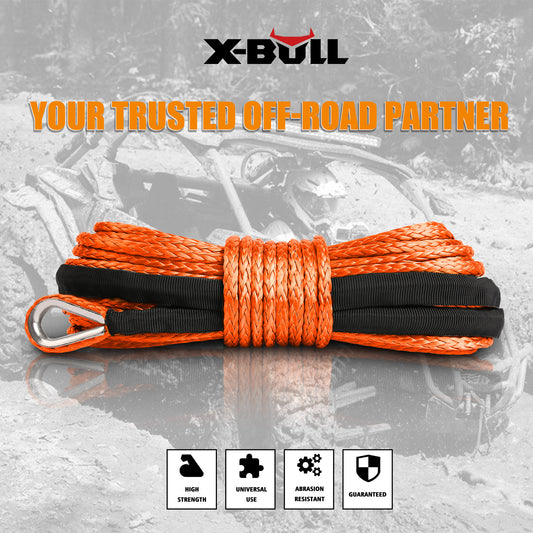
But a winch setup is more than the winch itself. You also need a damper, gloves, suitable shackles, a tree trunk protector, and a clear understanding of safe winching practice. There’s also the cost, the added weight on the front of the vehicle, and the need to maintain it properly. For some drivers, that’s a worthwhile upgrade. For others, it’s money better spent on tyres, suspension, or a better all-round recovery kit.
Common mistakes when buying 4x4 recovery gear
The biggest mistake is buying on panic after getting stuck once. That usually leads to mismatched gear, poor quality components, or items you don’t really need.
Another common issue is focusing on maximum numbers without understanding what they mean. Bigger ratings aren’t always better if the rest of the system doesn’t match. Recovery points, straps, shackles, and vehicle weight all need to work together.
Storage gets ignored too. Recovery gear thrown loose into the back of the wagon often ends up filthy, damaged, or impossible to access when you need it quickly. A dedicated recovery bag keeps everything together and makes pre-trip checks much easier.
Then there’s maintenance. Straps packed away wet, winch ropes left dirty, and corroded hardware can turn a good setup into a risky one. Recovery gear should be inspected after use, cleaned properly, and replaced when wear shows up. That’s not being fussy - that’s basic safety.
Building a kit without blowing the budget
You don’t need to buy everything in one hit. For most people, the smarter move is building a recovery kit in stages.
Start with the gear you’re most likely to use. Recovery tracks, a shovel, gloves, tyre deflator, and compressor make a lot of sense for new 4WD owners. Add a rated strap, shackles, and storage bag once your vehicle has proper recovery points. If your driving gets more ambitious, then look at winch gear and additional accessories.
This staged approach suits plenty of Australian drivers because it keeps the spend practical. You’re buying for real trips, not for the fantasy version of your setup. It also lets you choose better-value gear where it counts instead of filling the cart with cheap extras that won’t last.
That no-fuss approach is exactly what many buyers want - dependable gear, sharp pricing, and gear that’s ready for Aussie conditions without the specialist-store price tag.
How to choose gear you’ll actually trust
The best recovery kit is the one you understand and can use under pressure. That means buying gear with clear ratings, straightforward compatibility, and enough durability for the kind of trips you do most.
Read the product details carefully. Check load ratings, intended use, material quality, and whether the gear suits your vehicle size and recovery points. If you’re running a heavier touring rig loaded with drawers, water, camping gear, and fuel, your needs may be very different from a lightly packed dual cab doing day trips.
It also pays to think about who you travel with. If your usual crew includes beginners, gear that’s simple to deploy can be the better option. If you’re experienced and travel remote, a more complete kit may be justified. There’s no single perfect answer, only the setup that fits your vehicle, your driving, and your level of confidence.
A good recovery kit doesn’t need to look extreme. It needs to work when the track turns ugly, the weather changes, and daylight starts getting away from you. Buy smart, keep it rated, and make sure every piece earns its place in the vehicle.
When your gear is sorted before the trip, getting stuck becomes an inconvenience instead of a trip-ending headache.