Winter Camping Essentials Australia Needs
Share
Cold ground at 2am will humble even a seasoned camper. That is why getting your winter camping essentials Australia setup right matters more than grabbing a few extra blankets and hoping for the best. From alpine weekends to inland frosty mornings, winter camping here can be brilliant - quieter campsites, crisp skies and proper campfire weather - but only if your gear is built for comfort, warmth and real Aussie conditions.
What winter camping essentials in Australia actually matter?
The biggest mistake people make is packing for the daytime forecast. A sunny 16-degree afternoon can turn into a freezing night once the wind picks up and the temperature drops across open ground. In a lot of parts of Australia, winter camping is less about snow and more about cold air, damp mornings, condensation, wind chill and long nights.
So the essentials are not just about staying warm. They are about managing heat loss, moisture and comfort across the whole camp setup. If one part of the system is weak - your sleeping mat, your shelter, your cooking gear or your lighting - the whole trip feels harder than it should.
Start with your sleep setup
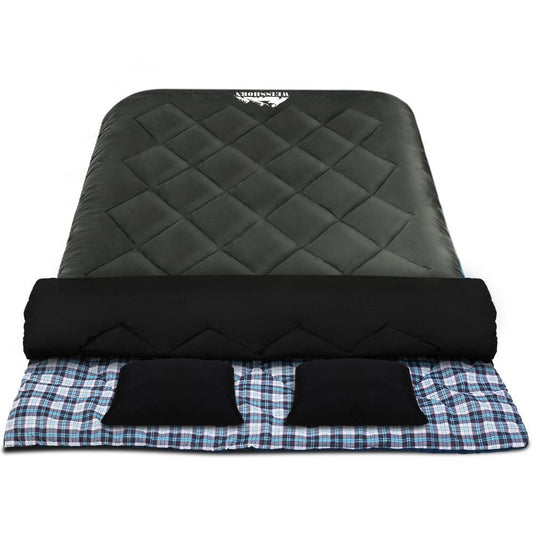
If you only upgrade one part of your winter camp kit, make it your sleep system. Most campers blame their sleeping bag when they are cold, but the real issue is often heat escaping into the ground. A decent sleeping mat or stretcher with insulation underneath makes a bigger difference than many people expect.
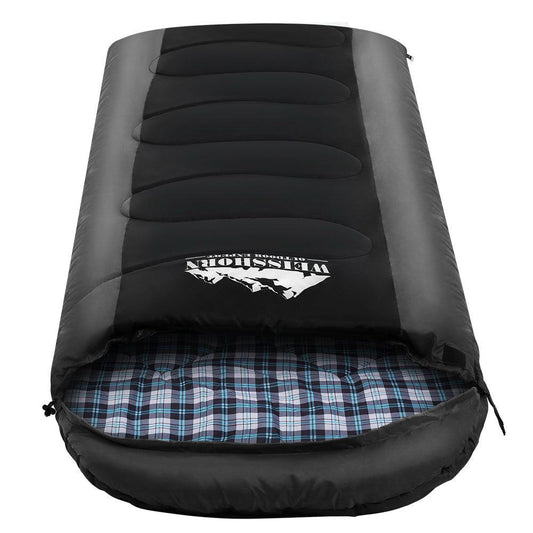
A winter-rated sleeping bag is the obvious starting point. Look for one that suits the lowest overnight temperature you are likely to face, not the average. If you sleep cold, go warmer than you think you need. Families camping with kids should be even more cautious here, because younger campers cool down faster and are less likely to adjust bedding properly during the night.
Your mat matters just as much. Self-inflating mats, insulated air mats or foam layering can all work, depending on space and budget. Swag campers often get solid weather protection, but still need proper insulation under them. Caravan travellers have an easier time with shelter, but bunk comfort and extra bedding still count when the mercury drops.
A fitted thermal liner, warm beanie and dry socks for sleeping can turn an average sleep setup into a good one without blowing the budget. The key is keeping your night gear dry and separate from what you wore around the fire.
Shelter needs more thought in winter
Winter shelter is not just about staying out of rain. It is about blocking wind, reducing drafts and dealing with condensation. A tent that feels fine in summer can become a cold box in winter if airflow, ground protection and internal space are working against you.
Smaller shelters are generally easier to keep warm than oversized family tents with lots of empty air inside. That does not mean you need to cram everyone into the smallest option possible, but it is worth thinking about whether your current tent suits cold-weather use. Strong poles, reliable waterproofing and a full-coverage fly all help when the weather turns.
A good groundsheet under the tent protects the floor and helps reduce dampness from below. Inside camp, simple additions like draught-stopping mats at entry points and a quality camp chair with padding can make cold evenings much more comfortable.
For gazebo or annex setups, wind protection matters. Side walls can make a huge difference at breakfast or dinner when you are trying to cook in a biting breeze. It is one of those upgrades that seems optional until you have camped without it.
Heating at camp - useful, but not a shortcut
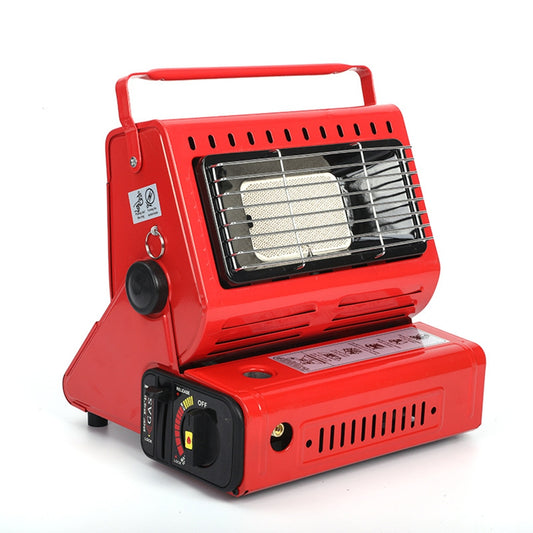
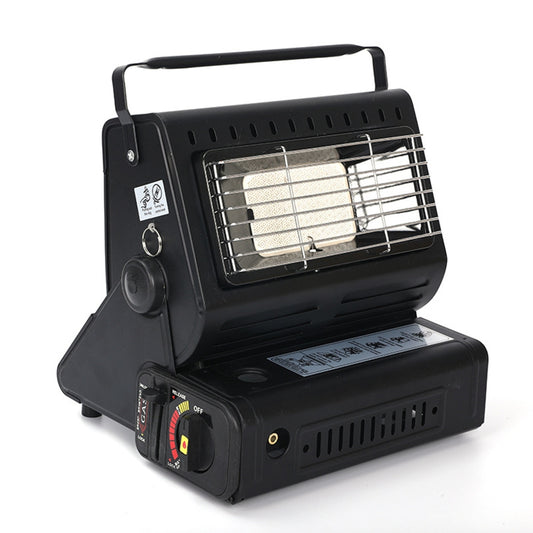
Portable heaters can be handy in winter, especially for larger sheltered setups, caravan awnings or enclosed spaces designed for them. But they are not a substitute for a proper sleep setup or weather-ready shelter. Think of camp heating as a comfort extra, not the foundation of your winter prep.
The right option depends on your setup. Petrol heaters are popular because they are portable and simple, but they need to be used carefully and according to manufacturer instructions. Ventilation and safety are non-negotiable. If you are free camping or travelling light, a heater may not even be worth the bulk compared with upgrading bedding and clothing instead.
A better value move for many campers is focusing on warmth you can wear and warmth you can sleep in. That gives you comfort wherever you are, not just when you are sitting in one spot.
Clothing is part of your camp gear
A lot of winter camping discomfort starts with cotton. Once it gets damp from sweat, drizzle or morning dew, it stays cold and unpleasant. Layering is the smarter way to go.
Start with a thermal or moisture-wicking base layer, add an insulating mid layer like fleece or puffer-style outerwear, then finish with a wind-resistant shell if conditions call for it. Beanies, gloves and thick socks earn their keep fast once the sun drops. For camp footwear, warm boots or insulated slip-ons beat thongs every time on a frosty morning.
It also pays to keep one complete set of dry clothes reserved for the evening and overnight. That sounds basic, but it is one of the most reliable winter camping habits you can build.
Cooking gear does more work in winter
In summer, a quick snack and cold drink can be enough. In winter, hot food and warm drinks do a lot of heavy lifting. They lift morale, help you warm up and make early starts far more manageable.
Reliable stoves, petrol canisters suited to cooler conditions, solid cookware and an insulated mug all matter here. If you are cooking for a group, a proper camp kitchen setup saves a lot of fuss and keeps everyone fed without standing around in the cold for ages. A kettle earns its place quickly when coffee, tea or soup become part of the daily routine.
Storage matters too. Wet firewood, disorganised utensils and half-packed tubs are a pain in winter when daylight is shorter and fingers are colder. Keeping your cooking gear sorted and easy to access is one of those practical wins that makes camp life smoother.
Power, lighting and connectivity count more in winter
Winter means longer nights, later sunrises and more time spent around camp after dark. So lighting needs to be better than a single torch thrown in the glovebox. Headlamps, lanterns and area lights all have a place, depending on your setup.
Battery performance can drop in cold conditions, so it is worth checking that your power station, battery packs and charging gear are up to the job. If you rely on a fridge, heated accessories, camp lights or devices for navigation, build in some margin rather than running everything right on the edge.
For caravan travellers and longer stays, solar and battery gear can still be useful in winter, but shorter daylight hours may affect charging. That does not mean solar is not worth taking - just that expectations need to match the season.
The small extras that make a big difference
Winter camping essentials Australia buyers often focus on the obvious big-ticket gear first, but smaller items can have an outsized impact. A hot water bottle, extra tarp, weatherproof storage tub, compact shovel, recovery gear for muddy access tracks and a proper doormat all help more than they get credit for.
If you are camping with kids, think about keeping them warm between activity bursts. Extra blankets in the car, easy-change dry clothes and a sheltered spot to sit can save the trip when energy drops. For 4WD travellers, winter often means slippery tracks and early darkness, so reliable torches, recovery gear and a tidy vehicle setup are not optional extras.
There is also the comfort factor. Winter camping can be fantastic value because sites are quieter and the conditions can be beautiful, but only if camp feels liveable. A stable table, a comfortable chair and a sheltered place to cook can matter just as much as your jacket.
Buy for your style of camping, not someone else's
The best winter setup depends on how you camp. A solo swag trip, a family tent weekend and a caravan getaway all need different gear priorities. Beginners usually get more value by improving sleep, shelter and clothing first. Experienced campers might already have those sorted and be looking at power, heating or camp kitchen upgrades.
Price matters too. You do not need an extreme expedition setup for a cold-weather trip in most parts of Australia, but you do need gear that is dependable. That is the sweet spot for practical buyers - products that work, suit local conditions and do not send the budget sideways.
If you are building out your kit for the season, stick with the essentials that improve warmth, dryness and ease of use first. That is usually where the comfort gains are. For campers looking to get sorted fast, Just Camp offers great value gear for every adventure, with options that make sense for real Aussie winter trips.
A good winter campsite should feel crisp, not miserable. Get the basics right, and those cold mornings turn into the best part of the trip - hot coffee in hand, quiet bush around you, and gear that is doing exactly what it should.