Bushfire-Smart Summer Camping 2025/26
How to stay safe, compliant & comfortable in Australia’s fire season
Australia’s summers are legendary for blue skies, buzzing nights — and bushfire risk. As conditions grow hotter and drier, even seasoned campers are re-evaluating how they travel, cook and set up camp. Whether you’re planning a coast trip, desert adventure, or alpine escape, being fire-smart isn’t optional — it’s essential.
This in-depth guide explains what’s changing in 2025/26, what gear to bring, how to camp responsibly, and how to still enjoy your outdoor adventures while keeping the bush (and yourself) safe.
🔥 1. Understanding Australia’s Fire Danger System
Since 2022, all states use a national Fire Danger Rating System, making it easier to know when and where you can light a fire. The four official levels are:
-
Moderate → High: You can usually camp and cook outdoors, but stay alert.
-
Extreme: Avoid open flames. Use enclosed gas or electric options only.
- Catastrophic: Do not camp in bushfire-prone areas. Many parks close automatically.
Always check the daily fire danger forecast on your state authority’s website:
- NSW Rural Fire Service
- CFA Victoria
- QFES Queensland
- SA CFS
- DFES WA
- TAS Alert
- ACT ESA
- NT Fire and Rescue
🧯 2. Fire-Smart Cooking, Lighting & Power Gear
When Total Fire Bans are declared, the right equipment matters.
Approved for use (check local rules):
-
Gas camping stoves with a shut-off valve and metal base (not directly on the ground).
-
Portable induction cookers or 12 V ovens powered by batteries.
- Enclosed BBQs in official park facilities when permitted.
Avoid:
- Charcoal BBQs or solid-fuel burners (Trangia/Esbit).
- Open flame lanterns or candles.
Lighting:
- Go LED — lanterns and headlamps offer brightness without heat or risk.
- Solar-charged lights reduce need for spare batteries and fuel.
Power:
- Choose LiFePO₄ (lithium iron phosphate) batteries — safer chemistry, less fire-risk.
- Carry a voltage regulator or fuse-protected cable for solar setups.
- Inspect cords for frays; heat + dust can degrade insulation fast.
👉 Check out our LED Camp Lights & Cooking Gear
🏕️ 3. Choosing a Safer Campsite
Smart site selection lowers risk even on mild days.
✅ Look for:
- Open clearings with short grass or bare dirt.
- A windbreak (rock face, vehicle, or dune) that won’t trap smoke.
- Accessible escape routes — never down a single dirt road in dense scrub.
- Nearby water (river, lake) if allowed for camping.
❌ Avoid:
- Tall eucalypt stands with heavy leaf litter.
- Camps directly under trees dropping dry branches.
- Valleys or gullies — fire travels uphill faster.
Use Google Maps’ satellite layer before travelling; combine with park maps for clarity.
🧭 4. Packing Your Fire-Safety Essentials
Create a compact kit that lives permanently in your car or storage box:
| Category | Essentials |
|---|---|
| Fire Prevention | 5 L water container, sand bucket, foldable shovel |
| Suppression | Small dry-powder extinguisher, fire blanket |
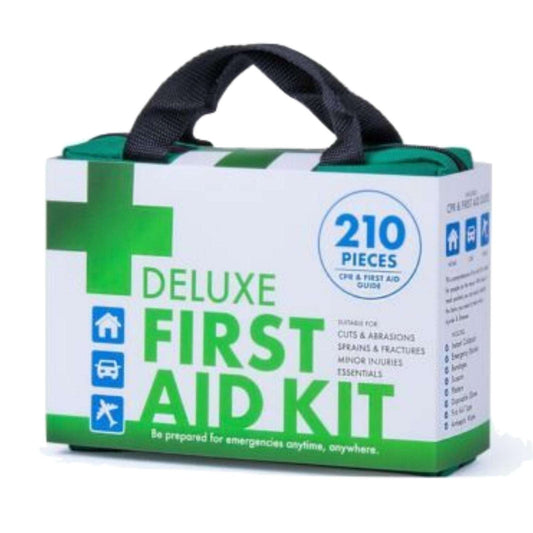
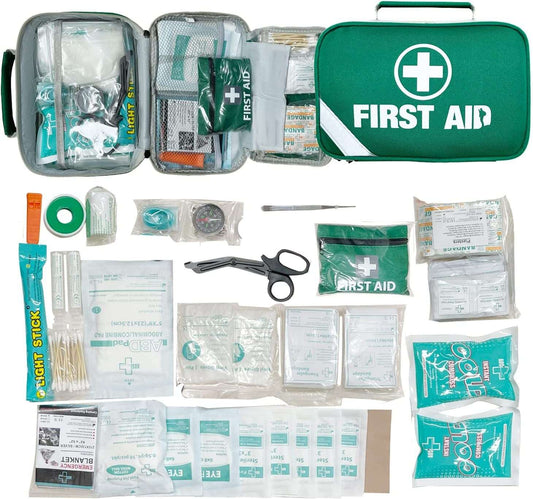
| First Aid | Burns dressings, bandages, antiseptic spray |
| Comms & Alerts | AM/FM radio, fully-charged power bank |
| Docs & Info | Printed park map, local emergency numbers |
Add laminated copies of the local Total Fire Ban rules for your state.
🌡️ 5. Behave Like a Bushfire Pro
Even perfect gear can’t fix careless behavior. Practice these habits every trip:
- Never leave cooking unattended, even “just for a minute”.
- Extinguish stoves immediately after use; feel the metal — if it’s hot, it’s not safe to pack.
- Keep fuel and batteries at least 3 m from sleeping areas.
- Collect and dispose of ash, wipes, and gas bottles responsibly.
- Teach kids and new campers how to call 000 and describe location coordinates.
- Download the free Emergency Plus app — it shows your exact GPS coordinates to give to emergency services, even in remote or low-signal areas.
📄 Download our Fire Smart Camping Checklist (PDF)
🌿 6. Environmental Stewardship During Fire Season
Protecting nature is more than avoiding ignition — it’s reducing your footprint:
- Stick to existing fire pits and tracks; new clearings scar habitats.
- Use biodegradable soaps and keep greywater 100 m from waterways.
- Avoid cutting live wood for makeshift tables or tent pegs.
- Report illegal fires to rangers — they endanger everyone.
Encourage your group to adopt the “Leave No Trace” principles — it keeps campsites open and pristine for others.
🧾 7. Fire-Smart Travel Planning 2025/26
With higher temperatures forecast across southern Australia and the eastern seaboard, expect stricter bans and limited fuel-use days.
Plan your trips accordingly:
- Book powered sites or gas-permitted campgrounds where possible.
- Travel early in the day to avoid heat stress.
- Set an “abort plan” — a backup route or urban stop if fires threaten.
- Keep emergency notifications active on your phone (e.g., Fires Near Me Australia app).
💬 Final Thoughts
Fire-smart camping isn’t just about rules — it’s about respect for the land and each other. Every careful camper helps keep national parks open, wildlife safe, and the camping spirit alive.