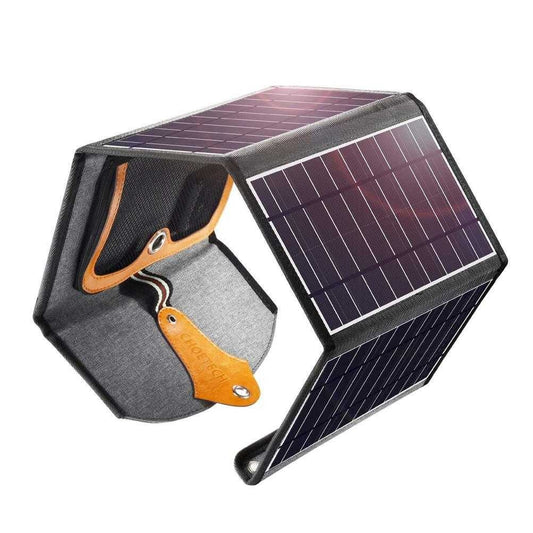
Camping Solar Blanket Review for Aussie Trips
Share
You only need one flat battery at camp to start taking portable power seriously. Whether it’s the fridge, camp lights, mobile charging or a water pump in the caravan, a decent solar blanket can make the difference between a relaxed weekend away and rationing every amp by day two. That’s where a proper camping solar blanket review matters - not just the wattage on the box, but how the thing actually performs in Australian conditions.
For most campers, road trippers and 4WD travellers, a solar blanket sits in a handy middle ground. It’s more portable than fixed panels, quicker to pack than a bulky rigid setup, and better suited to short stays than a full permanent install. But not every blanket is a good buy. Some are genuinely practical. Others look great online and fall short once heat, shade, dust and everyday camp use come into play.
Camping solar blanket review - what really matters
The first thing to get straight is that advertised wattage is only part of the story. A 200W solar blanket sounds straightforward, but real output depends on panel quality, regulator efficiency, sun angle, temperature and how often you actually reposition it. In peak sun, a good unit can do solid work. In patchy weather or partial shade, expectations need to come back to earth pretty quickly.
That’s why portability and usable output matter more than marketing claims. If a blanket is light enough to move easily and simple enough to set up in a few minutes, you’re more likely to keep chasing the sun through the day. That often delivers better real-world charging than a bigger panel that gets dumped in one spot and forgotten.
Build quality is another big one. In Australia, camping gear cops heat, dust, corrugated roads and the occasional rough pack-up when the weather turns. A solar blanket should feel durable without becoming a dead weight in the back of the ute. Good stitching, reinforced corners, solid handles and decent cabling all count. If the case feels flimsy or the connectors look cheap, that’s usually a warning sign.
How a solar blanket performs at camp
In practical terms, a solar blanket is best for topping up a battery system rather than replacing a generator-level power setup. If you’re running a 12V fridge, a few lights, charging devices and maybe a fan, a quality blanket paired with the right battery can work very well. For induction cooktops, heavy inverter use or air con, it’s not the right tool on its own.
This is where trip style matters. For weekend campers, even a modest blanket can be enough to stay comfortably powered if the battery starts full. For longer off-grid stays, especially in summer, a larger blanket gives you more margin. In winter or in heavily treed campsites, you may need more panel capacity than you first expected.
Heat is the sneaky factor a lot of buyers overlook. Strong sun feels ideal, but solar panels lose efficiency as they get hotter. So while a blanket spread out on red dirt under full summer sun might be getting plenty of light, it won’t necessarily hit its rated output. That doesn’t mean it’s underperforming. It means the real world is different from lab testing.
Choosing the right size for your setup
A common mistake is buying too small because the compact option looks easier to manage. The other mistake is buying far too large for the way you camp and ending up with something awkward to unpack every stop. The sweet spot depends on your battery capacity and your daily power draw.
For lighter setups, such as charging mobiles, LED lights and keeping a small battery topped up, a lower wattage blanket may do the job. If you’re running a fridge full time, especially in warm weather, stepping up in wattage makes more sense. Fridges don’t care if the weather turns cloudy, and they don’t stop cycling just because your panel output drops off.
If you’re touring with a caravan or spending multiple nights in one place, bigger blankets become more appealing because you’ve got time to spread them out properly and angle them well. For quick overnighters or frequent stop-start travel days, something more compact can be the better fit. The best product is the one you’ll actually use, not the one with the biggest number printed on the carry bag.
Regulator quality matters more than many buyers think
A solar blanket is only as good as the charging system behind it. Many come with a regulator included, and that can be convenient, but quality varies. A decent regulator helps the blanket charge efficiently and safely, especially when battery voltage changes through the day.
For many campers, an MPPT regulator is worth considering over a cheaper PWM option, particularly with larger blankets. It generally makes better use of available solar input, though the price is higher. If you already have a good battery management setup in your canopy, caravan or trailer, the included regulator may be less important. If you want an easy out-of-the-box solution, it becomes more relevant.
Connectors, cable length and setup practicality
These details sound minor until you’re parked in limited sun and need another couple of metres to reach the battery. A blanket with short leads can be frustrating in camp, especially if the only sunny patch is well away from the vehicle. Longer cable runs can help, provided the cable quality is decent and not so thin that voltage drop becomes an issue.
Connector style matters too. Standard, sturdy plugs are easier to work with and replace if needed. If a setup uses odd proprietary fittings, that can become a headache later. Practical gear should be easy to connect, easy to stow and easy to trust when you’re away from home.
Portable solar blanket for camping - trade-offs worth knowing
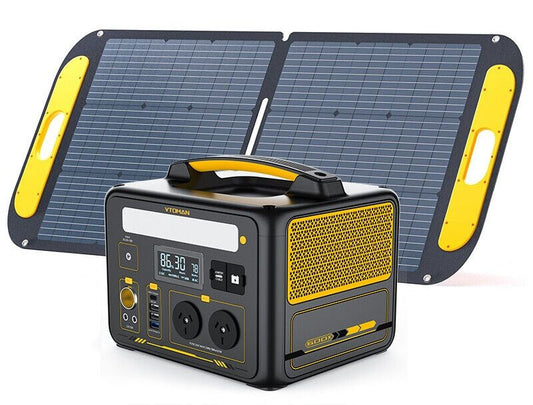
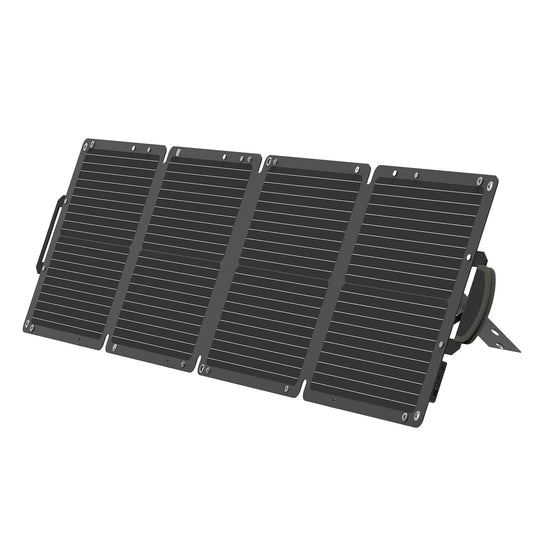
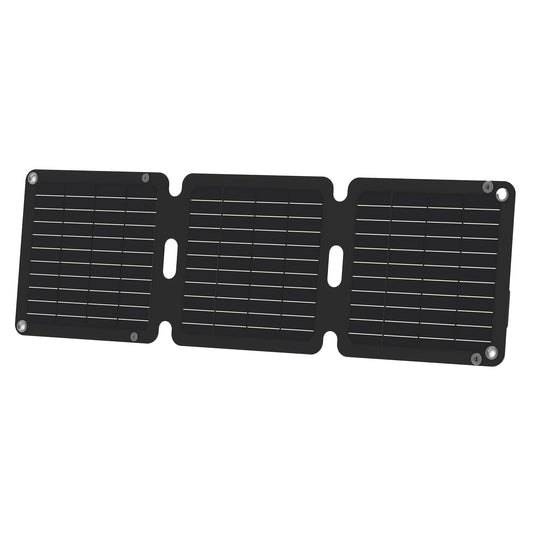
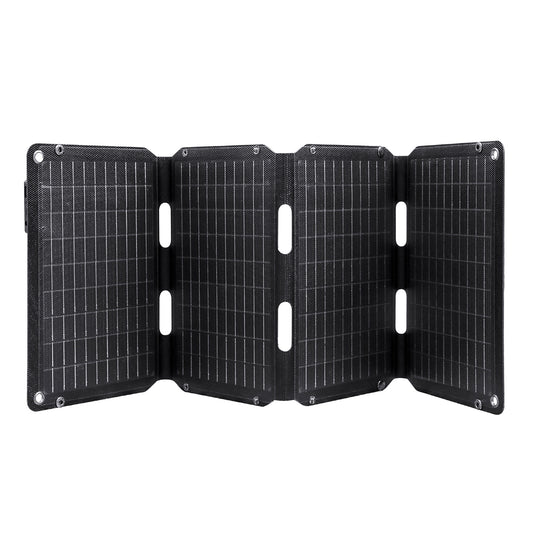
The big selling point of a solar blanket is portability. It folds down neatly, stores more easily than rigid panels and can be moved around camp without much fuss. That’s a genuine advantage for 4WD owners, families with loaded vehicles, and caravan travellers who don’t want permanent roof gear doing all the work.
The trade-off is that blankets usually need more hands-on management. To get the best result, you’ll want to reposition them through the day and keep them out of shade. They can also be more vulnerable to wear if they’re constantly folded, dragged or packed carelessly. A rigid panel mounted permanently is less flexible, but it’s also less fiddly once installed.
Blankets can also be awkward in wind. Some models sit nicely with kickstands or eyelets, while others need a bit of improvisation to stop them lifting or flapping around. If you camp in exposed coastal spots or open inland areas, that’s worth thinking about before buying.
Who should buy a solar blanket?
If you camp off-grid regularly and want flexible charging without committing to a permanent system, a solar blanket is an easy yes. It suits weekenders, touring setups, fishing trips, beach camps and family holidays where power needs are steady but not extreme. It also makes sense for campers who want to park in shade but still chase sun with a portable panel.
If your power demands are high every day and you dislike moving gear around camp, fixed rooftop solar or a more integrated dual-battery setup may suit you better. Likewise, if you mostly stay at powered sites, a solar blanket may be nice to have rather than essential.
For buyers chasing value, this category is one where cheap can become expensive. A budget blanket that charges poorly, packs badly or fails after a season isn’t really a bargain. Better to choose a model with proven durability, sensible inclusions and performance that matches your actual needs.
What a good buy looks like
A worthwhile solar blanket should be simple to carry, quick to deploy and durable enough for repeated trips. It should have realistic output, dependable connectors and a regulator setup that suits your battery system. It should also fit the way you travel. There’s no point buying a huge blanket for compact weekend trips, just as there’s no point choosing a tiny one for a fridge-heavy touring setup.
That’s the practical angle behind any honest camping solar blanket review. Ignore the hype, match the panel to your power use, and pay attention to the small details that affect daily use. For most Aussie campers, the best option is the one that packs easy, works reliably and keeps the essentials running without fuss.
If you’re heading bush, beachside or out on a long road trip, dependable power gives you more freedom and fewer headaches. Choose a solar blanket that suits your setup, and camp life gets a whole lot easier.