★★★★★

比预期时间提早送达,感谢 Just Camp 的优质服务。

罗斯

★★★★★

网站易于浏览,且我很快就收到了所购商品。

布伦达

★★★★★

以优惠的价格购入,服务非常棒,快递速度很快。

林迪

★★★★★

产品和服务都很棒,五星好评。

安东尼

★★★★★

我的订单到货速度比预想的要快,而且质量丝毫不输大牌。

亚伦

如何选择适合露营和房车旅行的12V电池与充电器

从系统电压开始

本系列中的大多数露营和旅行配置均围绕12V电池及充电设备构建,但电压必须与您所搭建的系统相匹配。更广泛的范围还可能包括支持6V或24V电池以及特定高压电池的充电器。在购买或连接组件之前,请检查电池标称电压、充电器输出及所连接的设备。

计算所需的电池容量

首先从您预期运行的设备入手,估算其在正常一天的用电量。冰箱、照明、水泵、通讯设备和设备充电所产生的负载与通过逆变器供电的电器负载不同。在确定电池大小时,请考虑电池的可用容量、预期的每日充电量以及实际储备,而不要仅仅参考其Ah(安时)数值。

Ah与Wh:正确比较能量

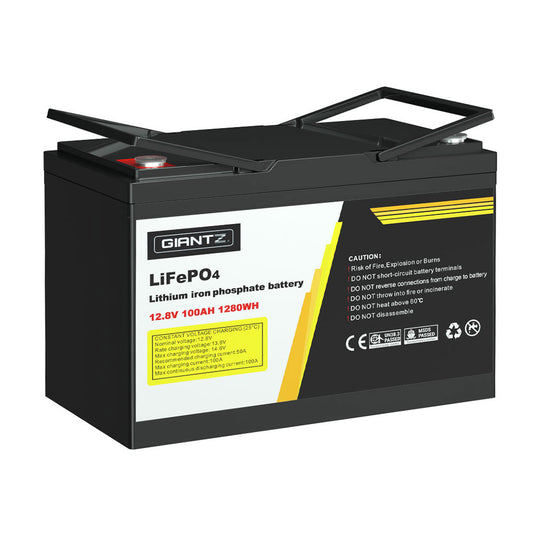
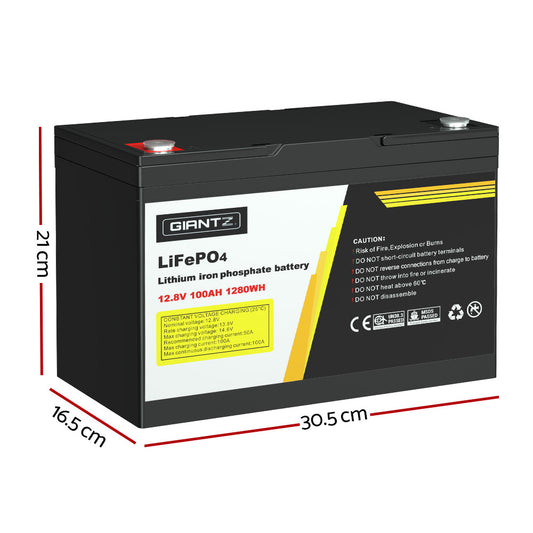
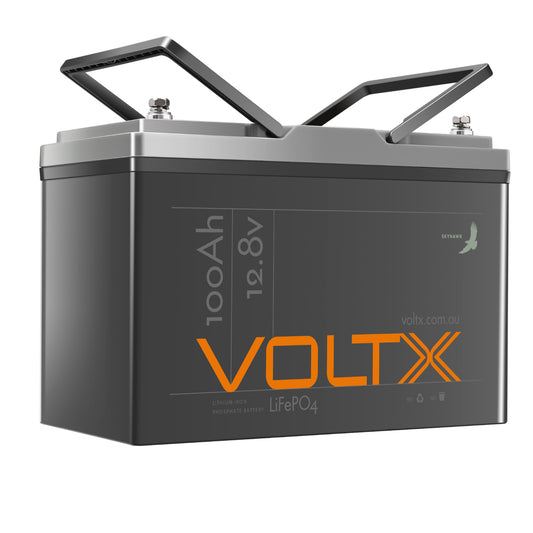
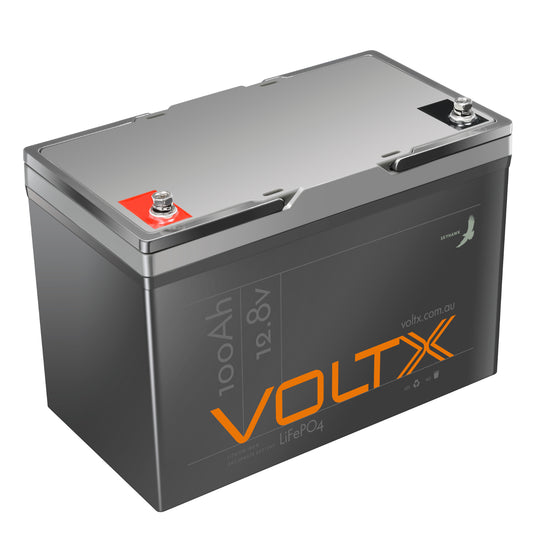
安时(Ah)描述的是在规定电压下的电荷容量,而瓦时(Wh)描述的是能量。一个实用的标称比较公式为:电压 × 安时 = 瓦时,因此12.8V 100Ah的电池标称约为1280Wh。实际可用能量可能会因放电限制、BMS设置、逆变器损耗、温度以及其他系统条件因电池和安装方式的不同而降低。

LiFePO4与AGM深循环电池

LiFePO4和AGM电池均可用于露营电力配置,但它们具有不同的充电曲线、重量、可用容量特性和操作限制。当重量轻和循环寿命很重要时,LiFePO4更具吸引力;而AGM则可能适合现有的铅酸蓄电池系统和不同的预算。在选择之前,请比较具体电池的尺寸、充电要求、放电限制、温度限制及制造商指南。

检查电池的尺寸、重量和安装空间

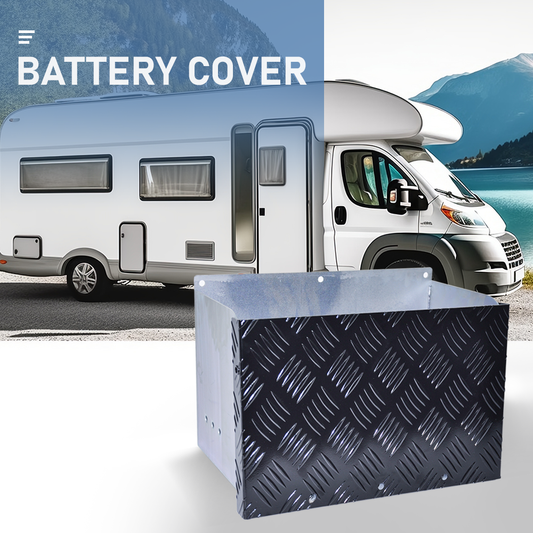
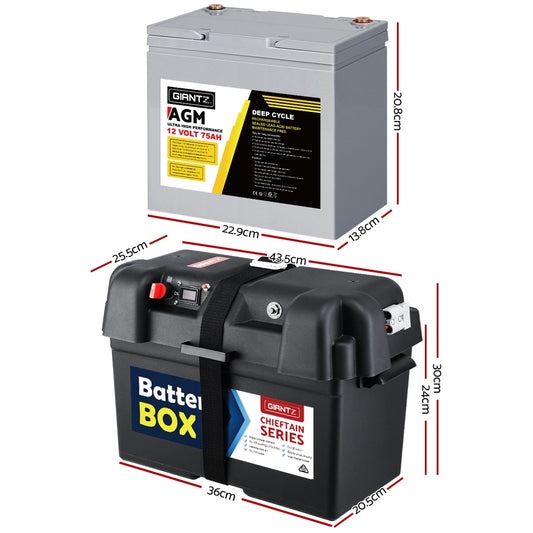
电池容量只是适配的一部分。标准型、超薄型和刀片式电池适合不同的隔间和车辆布局,而AGM电池与电池盒组合则有其特定的占用空间。请测量可用空间,检查端子方向和电缆接入位置,并确保电池能够被牢固安装,防止移动或物理损坏。

了解电池管理系统(BMS)

许多LiFePO4电池都包含一个电池管理系统(BMS),用于监测和保护电芯,但保护功能和电气限制因型号而异。在匹配充电器、逆变器和大电流负载时,请检查电池的最大充放电电流、支持的连接方式、温度限制以及任何BMS特定的说明。

选择合适的交流电池充电器

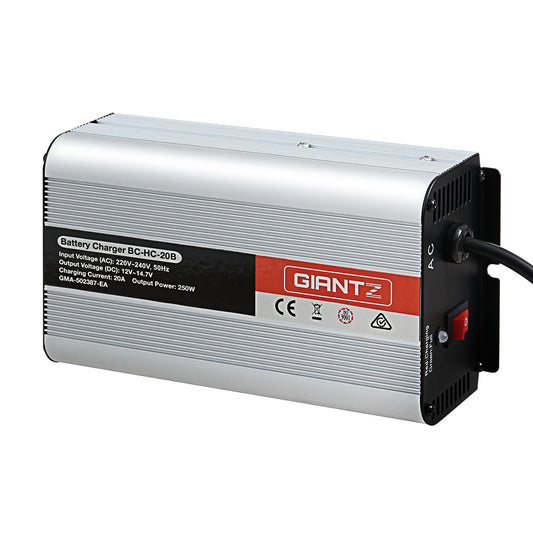
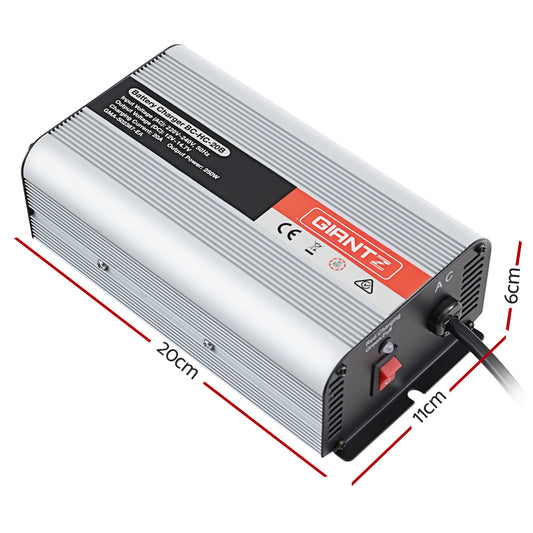
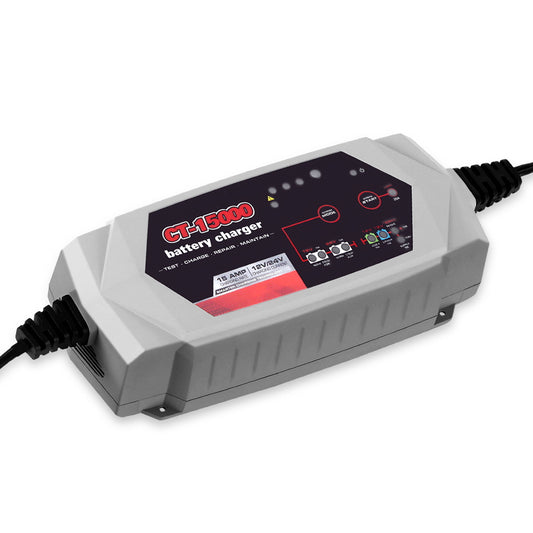
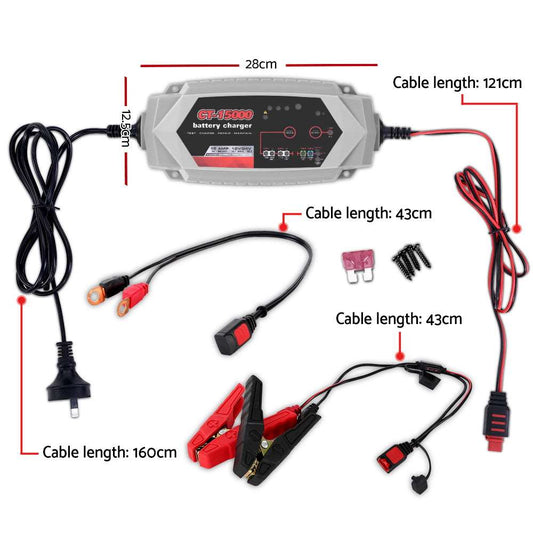
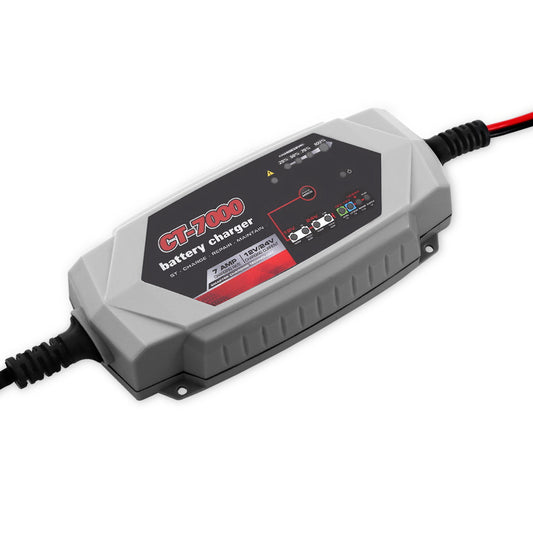
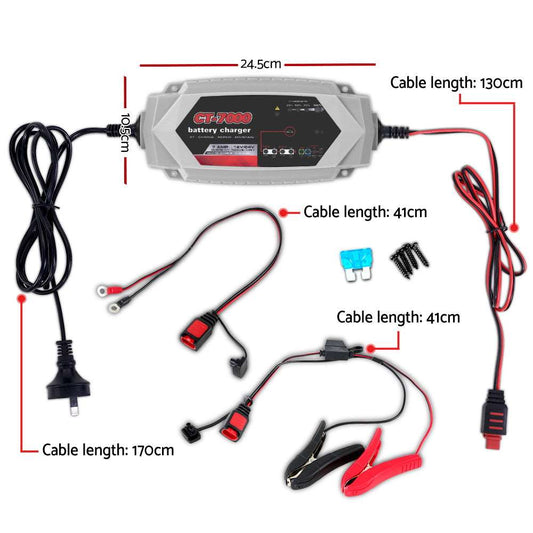
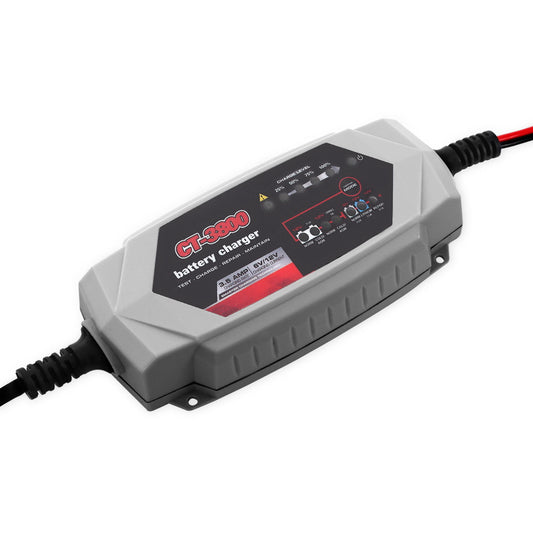
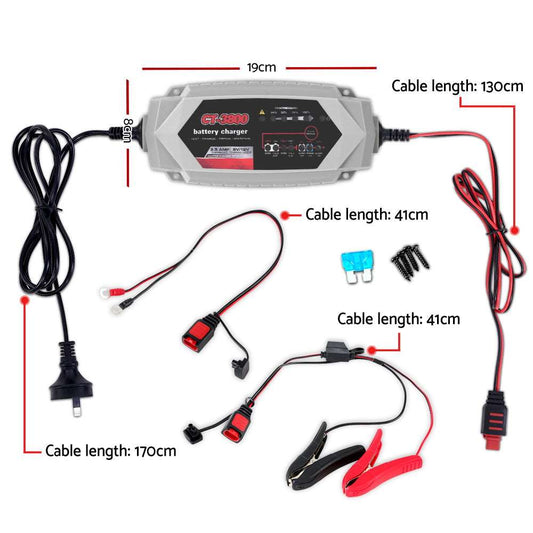
交流充电器可从交流电源(如240V市电)为兼容电池补电,前提是充电器专为此类输入而设计。请将充电器与电池电压和化学性质相匹配,并确认其输出电流在电池制造商允许或建议的充电范围内。该系列中的充电器支持铅酸、AGM、锂电池及系统电压的不同组合,因此兼容性需针对具体产品确认。

何时使用DC-DC充电器

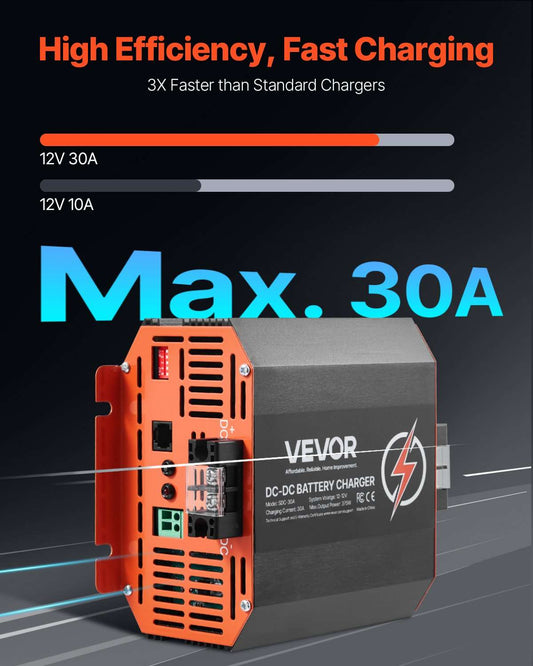
DC-DC充电器管理来自其他直流电源(通常是行驶中的车辆电气系统)的充电。如果充电器与车辆、发电机类型和电池化学性质完全匹配,它可为辅助电池提供受控充电。智能发电机、电池电压、电缆走向和安装要求都会影响系统配置的正确性,因此请遵循充电器和车辆的指导手册,而不是将所有双电池系统一概而论。

使用太阳能为露营电池充电

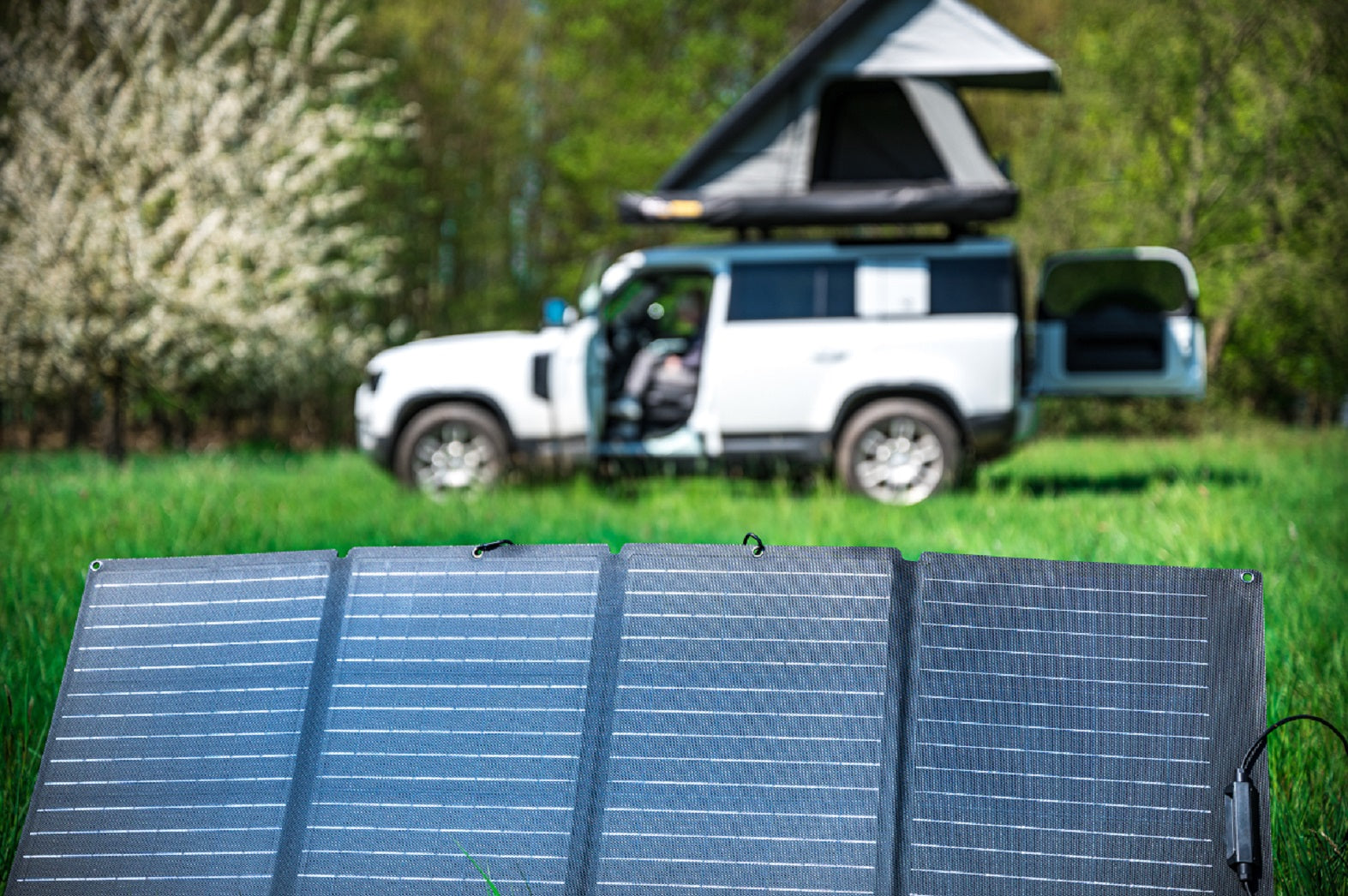
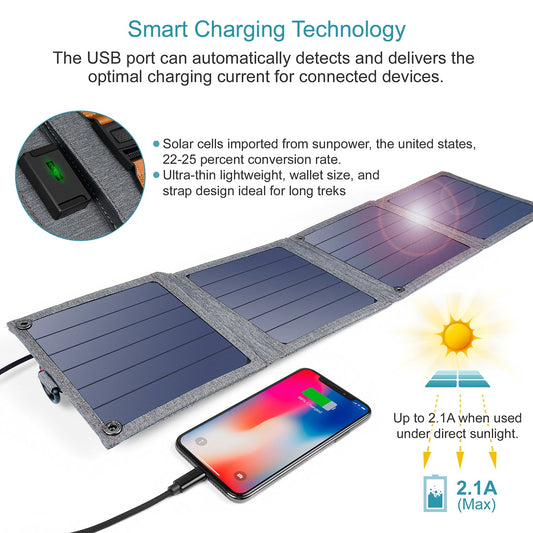
当太阳能电池板和充电设备与电池兼容时,太阳能可以为露营电池补电。根据系统不同,您可能需要单独的太阳能调节器或充电控制器,或者内置太阳能输入功能的充电器。浏览 12V太阳能和 12V太阳能调节器以获取相关设备,并确保整个系统的电压、充电曲线和电流限制相匹配。

电池盒和便携式12V电源

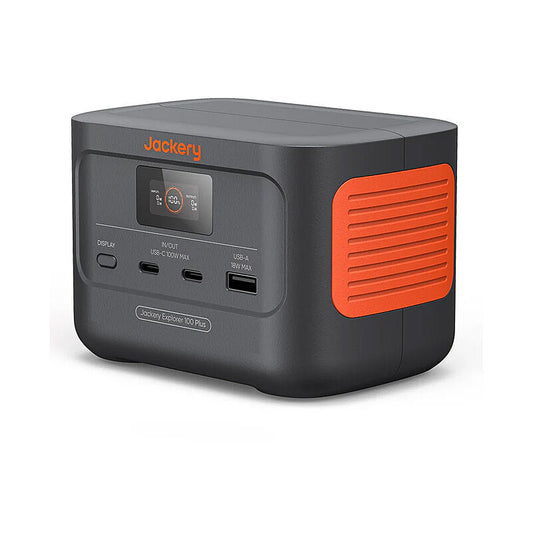
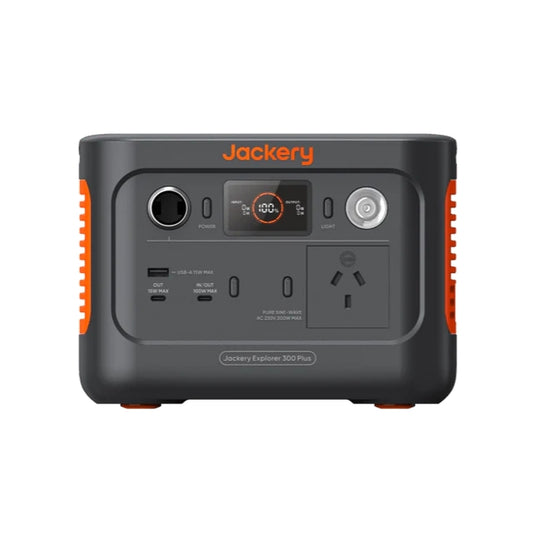
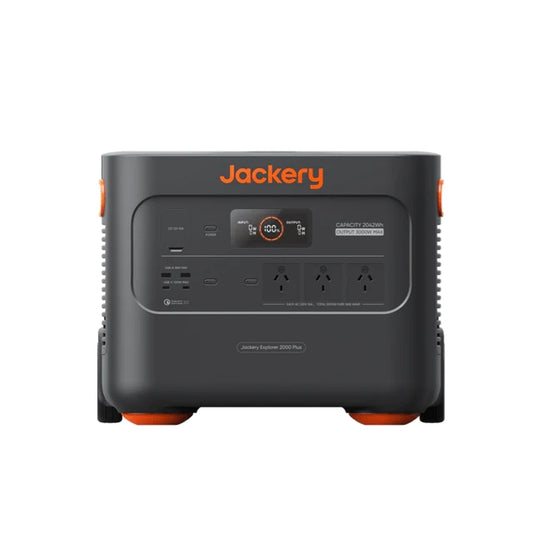
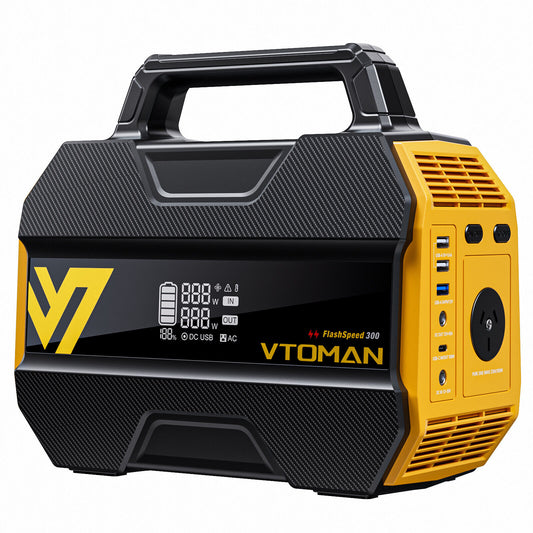
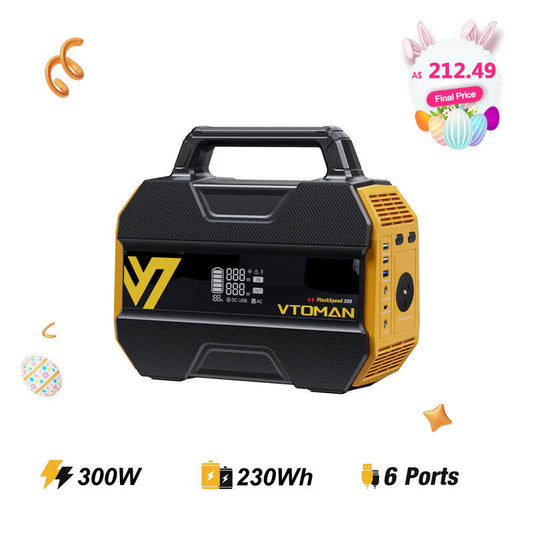
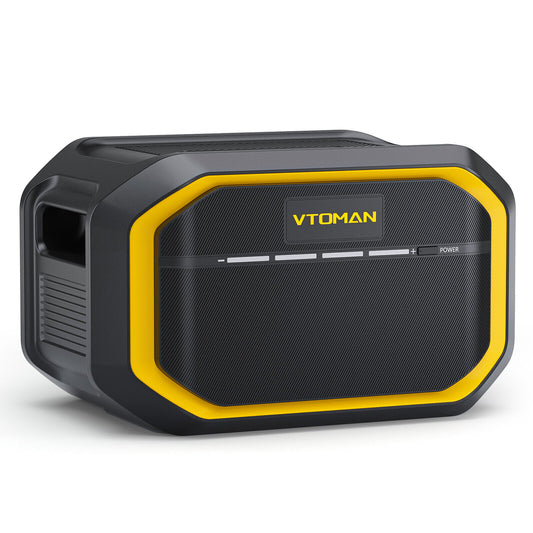
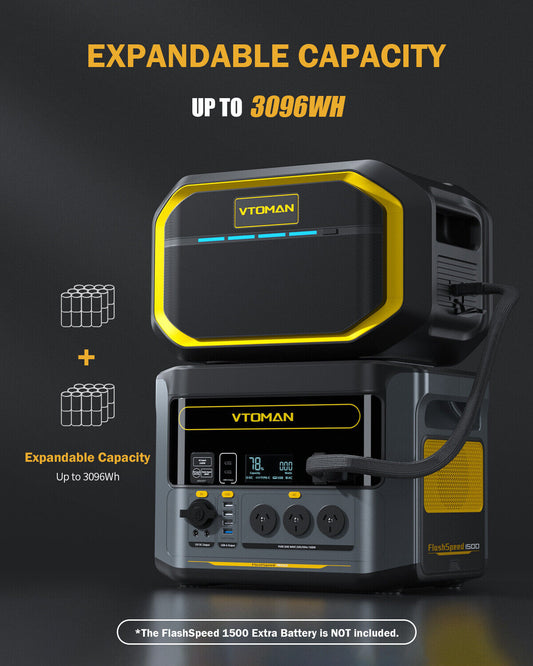
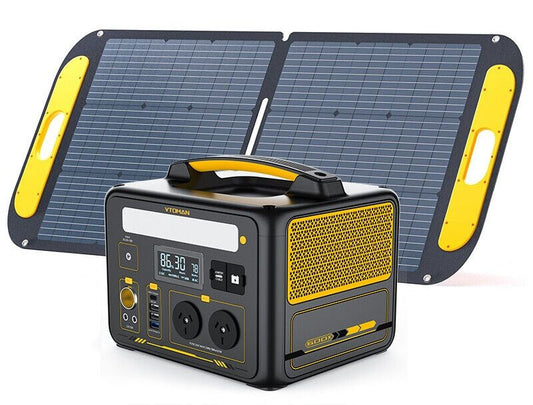
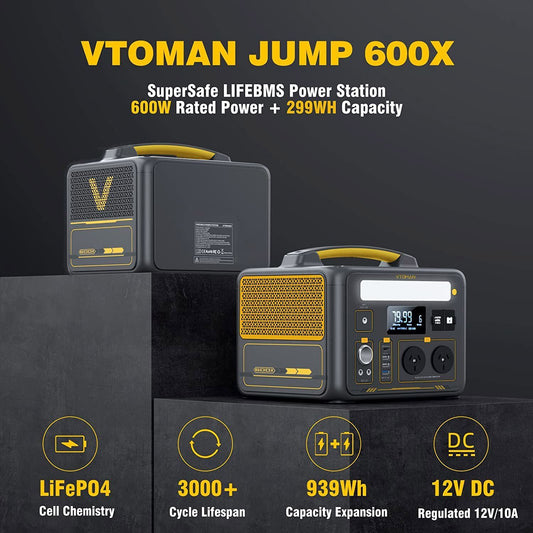
电池盒可以保护兼容电池,并根据型号提供方便的插座或连接点。有些电池盒包含USB、12V或Anderson式接口,而部分电池盒还增加了逆变器。电池提供存储的能量;而电池盒、插座、逆变器、布线和电路保护装置各有其额定限制,且有些电池盒不含电池。请查看具体产品的包含内容及额定参数。

双电池隔离器与VSR套件

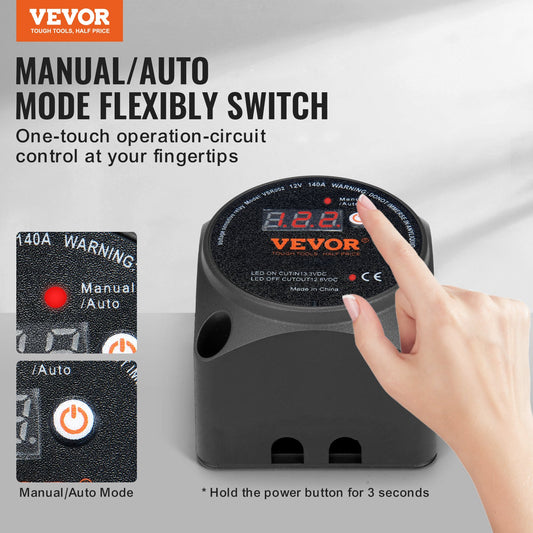
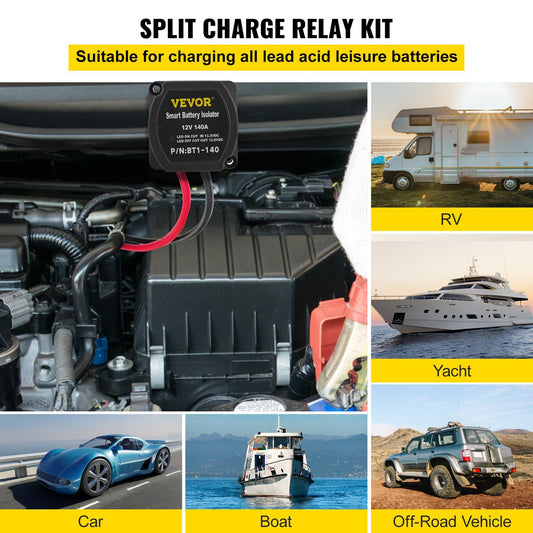
电压敏感继电器(VSR)和隔离器套件可用于某些双电池系统,但它们不等同于DC-DC充电器,且并不适用于所有车辆或电池组合。在选择起动电池和辅助电池的连接及充电方式前,请检查发电机系统、电池化学性质、电压及制造商说明。

电路保护、电缆尺寸和大电流负载

大电流12V系统需要额定参数合适的布线、保险丝或断路器、牢固的端接以及针对安装位置的保护措施。电缆尺寸取决于电流、电缆长度、允许的电压降以及所连接的设备。逆变器负载从电池中提取的电流可能远高于其交流瓦数所暗示的数值,因此请务必综合确认电池、BMS、逆变器、电缆和保护装置的额定值。

运行12V露营冰箱

合适的辅助电池可以驱动 12V露营冰箱,但没有单一的运行时间适用于所有配置。冰箱型号、环境温度、温控设置、开门频率、电池可用能量以及充电输入都会影响系统的运行时间。在确定电池组大小时,请使用冰箱的功率信息并考虑您的预期使用条件。

串联与并联电池组

只有当具体电池型号获准进行此类安排时,才可将电池串联或并联。并联可增加电池组总容量,同时保持标称电压不变;串联则增加标称电压。请使用兼容且参数高度匹配的电池,并遵循制造商关于电池数量、布线、均衡、保护和充电的限制。

充电、安装与存储安全

请在指定的电压、电流和温度范围内使用电池和充电器,保持设备远离水和物理损坏(除非其防护等级允许),并提供制造商要求的通风条件。确保电池在行驶中固定稳妥,并使导电物体远离暴露的端子。对于超出您专业能力的固定式或大电流车辆及房车布线,请聘请具备相应资质的专业人员;固定的240V布线应由持证电工根据当地要求进行处理。

应避免的常见电池与充电器错误

  • 仅凭Ah(安时)选择电池,而不估算设备每天的用电量。
  • 连接与电池电压、化学性质或允许充电电流不匹配的充电器。
  • 假设所有锂电池都支持相同的充电温度、放电电流或BMS功能。
  • 在未检查是否适用于车辆、发电机和辅助电池的情况下使用VSR或隔离器。
  • 为大电流充电器、逆变器或其他负载使用尺寸过小或保护不足的电缆。
  • 假设电池盒增加了系统容量,而实际上存储能量的是内部电池。
  • 在未考虑使用条件、可用能量和补充输入的情况下,仅从电池容量估算冰箱运行时间。
  • 在未检查制造商兼容性和连接限制的情况下,将不同电池混用于串联或并联电池组。
  • 将电池安装在可能会移动、过热、受潮(超出其防护等级)或遭受物理损坏的位置。
  • 仅仅因为两款电池或充电器具有相似的标题规格,就忽略了具体的产品说明。

搭建您的12V电源配置

利用本系列选购电池、电池盒和充电设备,然后返回 12V露营电源查看更广泛的系统。您还可以在规划系统的电力存储、补电和使用方式时,比较 12V太阳能、12V太阳能调节器、12V露营冰箱和 发电机与逆变器。

产品提示:电压、化学性质、容量、BMS功能、充放电限制、连接选项、温度限制、尺寸和包含配件因产品而异。在匹配组件之前,请检查具体的电池、充电器或附件规格。

安全提示:请遵循电池、充电器、车辆及设备制造商的说明。使用额定参数合适的电缆和电路保护装置,确保电池在行驶中稳固,并在安装需要时寻求具备相应资质的帮助。

指南修订日期:2026年8月。

常见问题解答

What size 12V battery do I need for camping?

Start by listing the equipment you want to run, its power draw and roughly how many hours it will operate each day. Then allow for the battery’s usable capacity, charging input and a practical reserve. A fridge, lighting and occasional device charging need a different battery plan from high-current inverter loads, so compare your expected daily energy use with the exact battery specifications.

Are lithium batteries good for camping?

LiFePO4 batteries can suit camping and touring setups where lower weight, high usable energy and repeat cycling are priorities, while AGM batteries remain a common deep-cycle option. The best choice depends on your budget, charger, installation and expected loads. Charging limits, temperature requirements, BMS features, cycle-life claims and usable capacity vary by model, so check the individual battery specifications.

What does a camping battery box do?

A camping battery box holds and protects a compatible battery and can provide convenient connection points such as 12V sockets, USB outlets or Anderson-style connectors, depending on the model. Some boxes also include an inverter. The battery itself provides the stored energy, and the box, outlets, inverter, cabling and protection devices each have their own electrical limits.

Can you run a fridge from a camping battery box?

Yes, when the battery box, battery, outlet and wiring are suitable for the fridge’s voltage and current requirements. Runtime depends on the battery’s usable energy, the fridge model and settings, ambient temperature and how often the battery is recharged. Check both the fridge and battery-box specifications rather than relying on a fixed runtime estimate.

How do I choose a 12V battery charger for camping?

Match the charger to the battery voltage, chemistry and charging requirements first. Then check that the charger’s output current is within the battery manufacturer’s permitted or recommended charging range. A 240V mains charger, vehicle DC-DC charger and solar charge controller serve different charging sources, so choose the type that matches how you plan to replenish the battery.

Can I charge a 12V battery with solar while camping?

Yes, provided the solar setup includes charging equipment that is compatible with the battery voltage and chemistry. Depending on the setup, this can mean a separate solar regulator or charge controller, or a charger with solar input built in. Panel output, weather, battery state and controller limits affect charging performance, so check the specifications of each component.

What is the difference between an AGM battery and a LiFePO4 battery for camping?

AGM and LiFePO4 batteries use different chemistries, charging profiles and operating limits. LiFePO4 options are often lighter for a similar nominal capacity and can provide a different amount of usable energy, while AGM can suit established lead-acid charging systems. Compare weight, dimensions, usable capacity, charging requirements, discharge limits, temperature limits and the equipment already in your setup before choosing.

What is the difference between a mains battery charger and a DC-DC charger?

A mains battery charger uses an AC power source, such as 240V mains where the charger is designed for it, to charge a compatible battery. A DC-DC charger manages charging from another DC source, commonly a vehicle electrical system while driving. Both still need to match the battery voltage, chemistry and permitted charging current, and vehicle-based setups also need to suit the alternator and installation.

Can I use any charger with a LiFePO4 battery?

No. Use a charger or charging profile that is specifically compatible with the exact LiFePO4 battery and its stated voltage and charging limits. A charger intended only for a different battery chemistry is not automatically suitable. Check the battery and charger instructions, including maximum charge current and any temperature-related charging limits, before connecting them.

Can I connect 12V batteries in parallel or series?

Only when the battery manufacturer states that the exact model supports the connection you intend to use. Parallel connections increase bank capacity while keeping the nominal voltage the same, while series connections increase nominal voltage. Use compatible, closely matched batteries and follow the manufacturer’s limits for battery count, cabling, protection, balancing and charging.

Just Camp 热门推荐

1 / 6

澳大利亚露营指南、装备评测与技巧

查看所有露营技巧