

Best 4WD Recovery Accessories to Pack
Share
You usually work out what recovery gear matters right after your first bad bog. It might be soft sand on a beach run, a muddy fire trail after rain, or a washout that looked easier from the driver’s seat. That is why the best 4wd recovery accessories are not about looking prepared - they are about getting home with less stress, less damage, and a lot more confidence.
A smart recovery kit does not need to be massive or wildly expensive. It needs to match the way you travel, the terrain you tackle, and the weight of your vehicle. If you are building your setup for touring, weekend camping, or family trips off the blacktop, the right gear starts with a few proven essentials and grows from there.
What makes the best 4WD recovery accessories?
The short answer is reliability, ease of use, and suitability for Australian conditions. Recovery gear cops a hard life. It gets dragged through sand, caked in mud, left in the tray, and thrown back in the boot at the end of a long day. Cheap gear that looks fine on the shelf can become a problem when you actually need it.
The best setup is also the one you will carry every trip. There is no point buying heavy-duty gear for extreme recoveries if your driving is mostly beach launches, camping tracks, and regional touring. On the other hand, if you head remote, travel solo, or drive in wet season conditions, a more complete kit is worth every cent.
The recovery gear that earns its place every trip
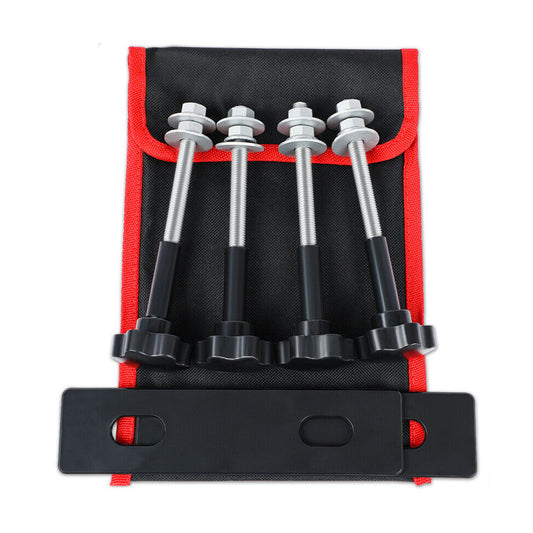
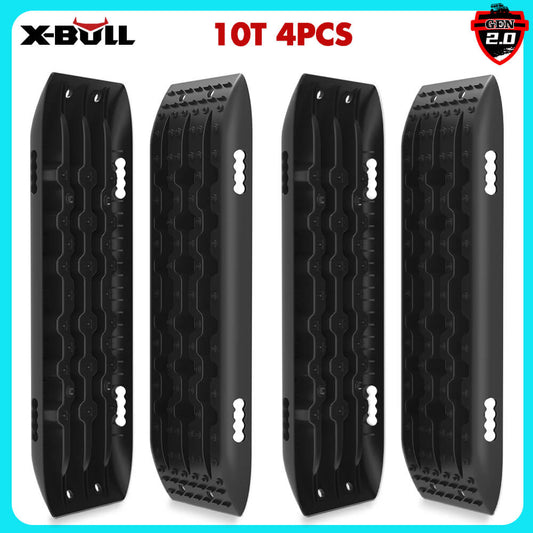
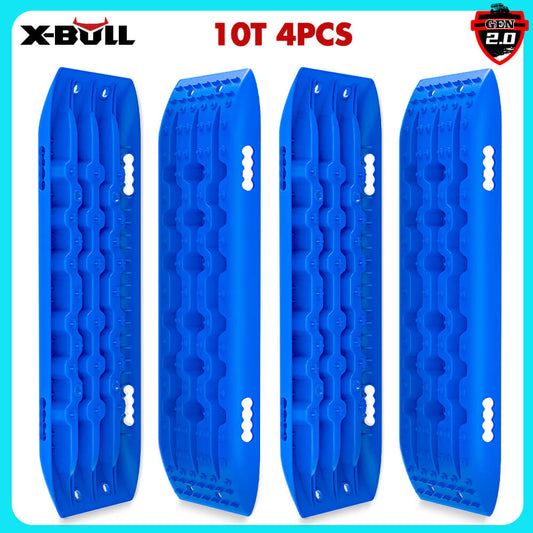
Recovery tracks are near the top of the list for a reason. They are fast, simple, and often the safest first option. If you are bogged in sand, loose dirt, or shallow mud, a pair of quality recovery boards can get you moving without snatching, winching, or putting extra strain on your vehicle. For plenty of drivers, especially those touring with the family, they are the first recovery item to buy.
A recovery strap is another staple, but it needs to be the right type for the job. A snatch strap is designed for kinetic recovery between two vehicles, while a tree trunk protector and winch extension strap have different roles. This is where plenty of beginners get caught out. One strap does not do everything, and using the wrong one is asking for trouble.
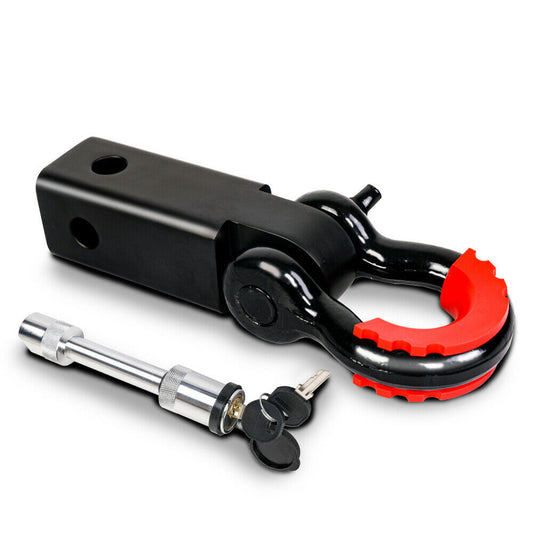
Rated bow shackles or soft shackles matter just as much as the strap itself. If your recovery points, shackles, and straps are not correctly matched and rated, the whole system is compromised. Soft shackles are popular because they are lighter and easier to handle, but traditional bow shackles still have their place in many kits. It often comes down to personal preference, your setup, and what other gear you are using.
A long-handled shovel is one of the least exciting buys and one of the most useful. Before you recover a vehicle, you often need to remove sand, mud, or debris from around the tyres and diffs. A few minutes with a shovel can save a much bigger recovery. It is simple gear, but it earns its spot quickly.
Best 4WD recovery accessories for different kinds of trips
If your weekends are mostly beach driving, your priorities are a bit different. Tyre deflation gear and an air compressor become part of the recovery story because correct tyre pressure prevents bogging in the first place. Add recovery tracks, a shovel, and a quality snatch strap setup, and you have a strong beach-ready kit without overcomplicating things.
For bush tracks and touring routes, a more rounded kit makes sense. Uneven terrain, ruts, slick clay, and remote sections call for recovery tracks, straps, shackles, gloves, a dampener, and often a winch if your vehicle is set up for one. You are not just planning for one kind of bog here. You are preparing for changing conditions over a long trip.
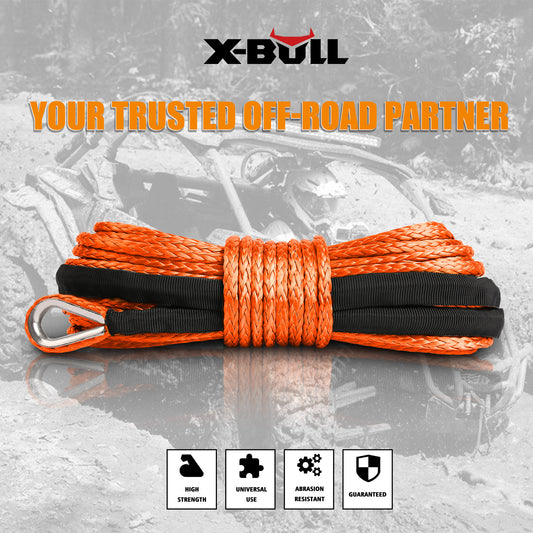
If you travel solo, the best 4wd recovery accessories shift again. Recovery tracks become even more important because they do not rely on a second vehicle. A winch setup, if you have one, becomes a major safety net. In that case, accessories like a tree trunk protector, winch blanket, and gloves are not extras. They are part of the core kit.
Don’t overlook the gear around the recovery
Good gloves are worth having. Recovery work is dirty, physical, and often rushed because nobody enjoys being stuck in the heat, rain, or mozzies. Gloves give you grip, protect your hands from burrs and cable fray, and make handling muddy straps a lot easier.
A recovery dampener is another smart inclusion when using straps or winch lines. If something fails under load, you want to reduce the risk as much as possible. It is a simple item, but it adds a level of safety that is hard to ignore.
Storage matters too. Recovery gear should be easy to find and quick to grab, not buried under camp chairs and cooking gear. A dedicated recovery bag helps keep straps clean, shackles together, and smaller items from disappearing into the bottom of the ute or wagon. It also makes it easier to check your kit before a trip.
A word on winches
A winch is one of the most capable recovery tools you can fit, but it is not automatically the first thing every 4WD owner needs. If you mainly tackle moderate tracks with mates and avoid difficult conditions, you may get years of use from tracks, straps, and solid recovery technique without needing one.
Where a winch shines is in technical terrain, solo travel, steep climbs, and remote touring. It gives you controlled recovery when a snatch recovery is not suitable. The trade-off is cost, weight, fitting requirements, and the need to learn proper use. A winch is brilliant when it suits your kind of travel. It is overkill for some setups and essential for others.
Buying smarter, not bigger
It is easy to get sold a giant recovery kit full of items you may never use. A better approach is to start with the fundamentals and build from there. Focus on rated, dependable gear that suits your vehicle and driving style.
For many Australian drivers, a practical starter kit looks like recovery tracks, a snatch strap, rated shackles, gloves, a shovel, and a bag to keep it all together. Add a compressor and tyre deflator for beach work. Add winch gear if your vehicle is fitted and your trips call for it. That kind of setup is realistic, useful, and far better than buying random bits without a plan.
Price matters, but value matters more. The cheapest option is rarely the bargain if it wears out early or leaves you second-guessing it when conditions turn ugly. Good recovery gear should feel like money well spent every time you head out, not just when you are stuck.
How to choose recovery gear that fits your vehicle
Vehicle size and weight are a big part of the decision. A loaded touring wagon, ute with canopy, or dual cab set up for a long trip needs gear rated appropriately for that weight. Accessories that are fine for a lighter vehicle may not be suitable once you have added drawers, a fridge, passengers, extra fuel, and camping gear.
You also need proper rated recovery points on the vehicle. This is the part plenty of people skip past because it is less exciting than buying new gear. But even the best strap in the world is useless if you do not have safe, rated attachment points. Your recovery setup is only as strong as its weakest part.
If you are new to 4WDing, keep things simple and learn how each item is used before you need it in the scrub. Practice with your gear, understand the ratings, and know when a gentle, low-risk recovery is the better option than charging in with too much force. Technique saves gear and helps keep everyone safer.
The gear you’ll actually be glad you packed
The best recovery accessories are not always the flashiest. They are the ones that suit your trip, work when you need them, and help turn a problem into a short delay instead of a ruined weekend. For most Aussie campers and 4WD owners, that means a sensible, well-matched kit built around tracks, straps, shackles, a shovel, gloves, and storage, with extra gear added as your trips get tougher.
There is no prize for carrying the biggest kit on the track. The win is having the right gear, knowing how to use it, and heading off with confidence that your setup is ready for real Australian conditions. If you are buying for practical trips, family weekends, and touring that needs dependable gear without the nonsense, that is the setup worth packing.